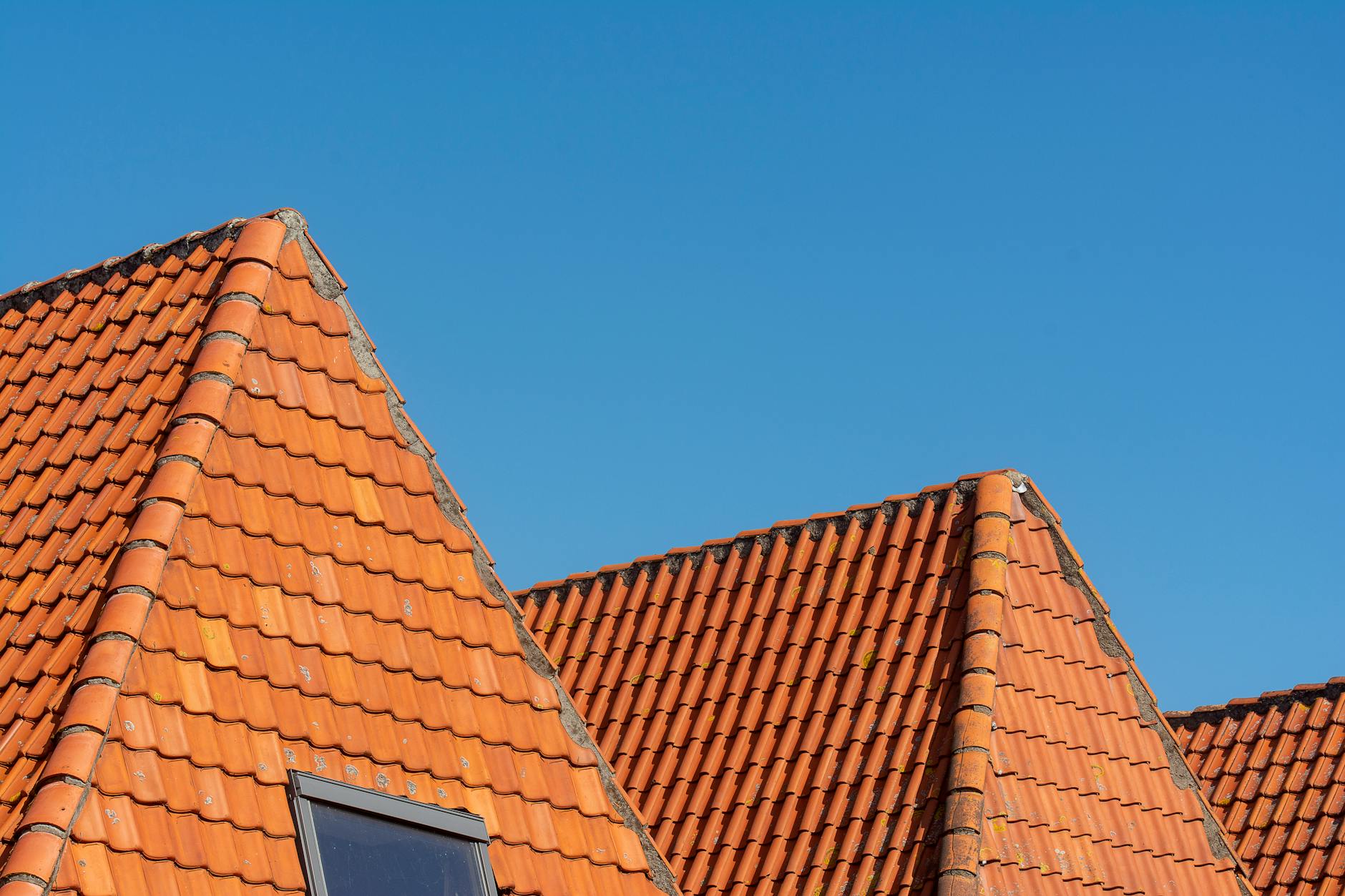
Staring up at a faded, moss-covered terracotta roof that’s seen better days? Tiled roof painting is one of the most cost-effective ways to breathe new life into your home’s exterior, boost kerb appeal, and extend the life of your roof tiles without the expense of a full replacement. Whether you’re sprucing up a classic Queenslander or a modern suburban home, a fresh coat can transform the entire look of your property.
What’s in this guide
- Why paint your tiled roof
- How much does tiled roof painting cost
- Preparation and cleaning process
- Paint types and products for tiled roofs
- DIY vs professional tiled roof painting
- Common mistakes to avoid
- Frequently asked questions
Why paint your tiled roof
Tiled roofs are a staple of Australian architecture, offering durability and a classic aesthetic. Over time, however, exposure to harsh UV rays, heavy rain, and coastal salt can fade even the highest-quality terracotta and concrete tiles. Painting your tiled roof offers several compelling benefits beyond just cosmetics.
A fresh coat of specialised roof paint creates a protective barrier against the elements, helping to seal hairline cracks and prevent moisture penetration that can lead to costly structural damage. Modern roof coatings also reflect heat, which can reduce your home’s cooling costs during scorching summer months—a real advantage in Australia’s climate.
From a financial perspective, tiled roof painting typically costs a fraction of a full roof replacement. While a complete re-roofing might set you back $15,000–$30,000 or more depending on your home’s size, a professional paint job usually ranges between $3,000 and $8,000. That’s substantial savings for a transformation that can last 10–15 years with proper maintenance.
Kerb appeal matters, too. If you’re planning to sell, a freshly painted roof can add thousands to your property’s perceived value. Real estate agents consistently report that first impressions—starting with the roof line—heavily influence buyer interest and offers.
How much does tiled roof painting cost
The cost of tiled roof painting in Australia depends on several variables: roof size, pitch, tile condition, accessibility, and your location. As a general guide, expect to pay between $35 and $60 per square metre for a professional job that includes cleaning, repairs, priming, and two coats of quality paint.
For an average three-bedroom home with approximately 150–200 square metres of roof area, total costs typically fall between $5,250 and $12,000. Metro areas like Sydney and Melbourne often sit at the higher end of this range, while regional centres may offer more competitive pricing. If your roof requires extensive repairs—replacing broken tiles, re-bedding and re-pointing ridges, or fixing flashing—you’ll need to budget an additional $1,500–$4,000.
Premium paint products with advanced heat-reflective properties or longer warranties can add $500–$1,500 to your total. Some homeowners opt for colour changes, which may require an extra primer coat and therefore increase labour time by 10–20%.
If you’re considering other exterior painting projects, you might want to explore the full scope of roof painting costs across Australia to understand regional variations and bundling opportunities. Many contractors offer package deals when you combine roof and house exterior painting.
Preparation and cleaning process
Proper preparation is the single most important factor in achieving a long-lasting tiled roof painting finish. Skipping or rushing this stage leads to peeling, flaking, and premature failure—often within just a year or two.
The process begins with a thorough high-pressure clean to remove dirt, moss, lichen, and algae. Professional contractors typically use 3,000–4,000 PSI pressure washers with specialised roof nozzles to avoid damaging tiles. This step also reveals any underlying issues such as cracked or broken tiles that need replacement before painting begins.
Once cleaned, the roof must dry completely—usually 24–48 hours depending on weather conditions. Moisture trapped under paint is a recipe for disaster, causing bubbling and adhesion failure. In humid climates or during cooler months, this drying period may extend to three or four days.
Next comes repair work. Broken tiles are replaced, and ridge capping is re-bedded and re-pointed with flexible mortar if necessary. Any flashing around chimneys, vents, or skylights is inspected and repaired. This stage ensures structural integrity before sealing everything with paint.
A quality primer designed specifically for roof tiles is then applied. This creates a bonding layer between the porous tile surface and the topcoat. Many modern primers also contain anti-fungal and anti-algae additives to prevent biological growth under the paint film.
According to Australian building standards, any structural roof work must comply with local Building Code requirements, so if your preparation uncovers significant issues, consult a licensed professional before proceeding.
Paint types and products for tiled roofs
Not all paints are created equal, and using the wrong product on your tiled roof is a costly mistake. Roof paints need to withstand extreme temperature fluctuations, UV radiation, and constant exposure to moisture—far harsher conditions than interior walls ever face.
The two main categories are acrylic and membrane coatings. Acrylic roof paints are the most common choice for tiled roof painting in Australia. They’re water-based, breathable, flexible, and offer excellent UV resistance. Quality acrylic formulations from brands like Dulux, Colorbond, and Nutech typically carry 10–15 year warranties and cost between $60 and $100 per litre.
Membrane coatings are thicker, rubberised products that create a waterproof seal. They’re particularly useful for older roofs with minor leaks or extensive hairline cracks. While more expensive (often $80–$150 per litre), they provide superior waterproofing and can extend a tired roof’s life by a decade or more.
Heat-reflective paints have surged in popularity across Australia’s sunbelt. These products contain ceramic microspheres or special pigments that reflect solar radiation, keeping roof surfaces up to 20°C cooler. The energy savings can be significant—some homeowners report 15–25% reductions in summer cooling costs.
Colour choice matters beyond aesthetics. Lighter shades reflect more heat, while darker tones absorb it. If you live in a bushfire-prone area, check your property’s Bushfire Attack Level (BAL) rating as this may restrict your paint and preparation options.
Always verify that your chosen product is specifically formulated for the tile type you have—terracotta, concrete, and glazed tiles each have different porosity and surface characteristics that affect paint adhesion.
DIY vs professional tiled roof painting
The allure of saving thousands by tackling tiled roof painting yourself is strong, but this is one project where the risks often outweigh the rewards—especially if you lack experience working at heights or with specialised equipment.
A DIY approach can reduce costs to $1,500–$3,000 for materials and equipment hire (pressure washer, safety harness, scaffolding or roof ladder, sprayer). However, you’ll need to factor in your time—a typical residential roof takes an experienced team 3–5 days to prep and paint. For a first-timer, expect to invest two full weekends or more.
Safety is the paramount concern. Falls from roofs account for a significant proportion of serious home DIY injuries in Australia each year. You’ll need proper fall protection equipment, non-slip footwear, and ideally a helper on the ground. Many insurance policies explicitly exclude coverage for injuries sustained during roof work, leaving you personally liable for medical costs.
Professional contractors bring expertise in surface preparation, product selection, and application techniques that directly impact longevity. They also carry public liability insurance and offer workmanship warranties—typically 5–7 years for quality operators. If the paint fails prematurely due to poor application, a reputable company will rectify it at no cost.
The equipment professionals use makes a difference too. Commercial-grade airless sprayers provide more even coverage and better penetration than consumer models. Experienced painters know how to adjust spray patterns for different tile profiles and can identify potential problems before they become expensive failures.
If budget is tight but safety concerns rule out full DIY, consider a hybrid approach: hire professionals for the high-risk preparation and first coat, then complete the final topcoat yourself under their guidance. Some contractors offer this “assisted DIY” option at reduced rates.
Common mistakes to avoid
Even with good intentions, several pitfalls can derail your tiled roof painting project. Learning from others’ mistakes can save you thousands in remedial work.
Painting over dirt or biological growth: The most common error is insufficient cleaning. Any moss, algae, or dirt left on tiles will prevent proper paint adhesion. Within months, you’ll see patches peeling away. Always invest in thorough high-pressure cleaning and allow complete drying time.
Skipping primer: Some DIYers try to economise by applying paint directly to bare tiles. This almost never works. Primer creates the chemical bond necessary for topcoat adhesion and significantly extends the paint’s lifespan. The $300–$600 you might save on primer will cost you thousands in premature repainting.
Using the wrong paint type: Standard exterior house paint is not formulated for roof conditions. It will break down rapidly under constant UV exposure and thermal cycling. Only use products specifically marketed as roof coatings or roof paints with appropriate Australian Standards certification.
Painting in poor weather: Applying paint when rain is forecast within 24 hours, when temperatures are below 10°C or above 35°C, or in high humidity can cause adhesion problems and uneven curing. Check extended forecasts and plan for a stable weather window.
Ignoring underlying damage: Paint is not a structural repair solution. If your tiles are cracked, your ridge capping is loose, or flashing is deteriorating, paint will only hide the problem temporarily. Water will still penetrate, leading to rot, leaks, and potentially costly ceiling and internal damage.
Inadequate coverage: Trying to stretch paint too thin or applying only one coat might save money upfront but results in patchy coverage, poor UV protection, and rapid fading. Most quality products specify coverage rates of 4–6 square metres per litre for two coats—stick to these guidelines.
Neglecting safety equipment: Falls from roofs cause serious injuries every year. Proper fall protection, including harnesses, anchor points, and non-slip footwear, is non-negotiable. If your roof pitch is steep (above 25 degrees) or you’re uncomfortable with heights, this project is not suitable for DIY.
Frequently asked questions
How long does tiled roof painting last?
A professionally applied tiled roof painting job using quality products typically lasts 10–15 years in Australian conditions. Longevity depends on climate, roof pitch, tile type, and the quality of preparation. Coastal areas with salt exposure may see 8–12 years, while inland locations with less extreme weather can exceed 15 years. Regular cleaning every 2–3 years and prompt touch-ups of any damaged areas extend the lifespan considerably.
Can you paint terracotta and concrete tiles the same way?
While the basic process is similar, terracotta and concrete tiles have different porosity levels that affect primer and paint selection. Terracotta is generally more porous and may require a specialised sealer before priming. Concrete tiles are denser but can develop a chalky surface that needs thorough cleaning and specific primer formulations. Always choose products matched to your specific tile type for optimal adhesion and durability.
Does roof painting stop leaks?
Tiled roof painting with quality membrane coatings can seal minor hairline cracks and reduce water penetration through porous tiles, but it’s not a substitute for proper leak repairs. If you have active leaks, broken tiles, failed flashing, or compromised ridge capping, these structural issues must be fixed before painting. Paint adds a protective layer but won’t solve underlying waterproofing failures.
What’s the best time of year to paint a tiled roof?
Autumn and spring offer ideal conditions for tiled roof painting across most of Australia. You want mild temperatures (15–28°C), low humidity, and several consecutive dry days. Avoid summer’s extreme heat, which causes rapid drying and poor flow, and winter’s cold and damp conditions that prevent proper curing. In tropical regions, paint during the dry season to avoid monsoon moisture issues.
Do I need council approval to paint my roof?
Generally, tiled roof painting doesn’t require council approval if you’re maintaining the same or similar colour. However, if you’re dramatically changing the colour—especially on a heritage-listed property or in areas with specific planning overlays—check with your local council first. Some heritage areas, conservation zones, and body corporate agreements restrict roof colour changes. A quick phone call can save headaches later.
Next steps for your tiled roof painting project
Tiled roof painting offers an excellent return on investment, combining aesthetic transformation with practical protection for one of your home’s most important structural elements. Whether you’re preparing to sell, addressing weathering and fading, or simply refreshing your property’s appearance, the right approach will deliver results that last well over a decade.
Start by getting at least three detailed quotes from licensed, insured contractors with verifiable references and recent project photos. Ask about their preparation process, product brands, warranty terms, and whether they handle repairs in-house or subcontract that work. A thorough quote should itemise cleaning, repairs, primer, paint coats, and cleanup—beware of vague lump-sum estimates that leave room for unexpected charges.
If you’re considering a full exterior refresh, bundling your tiled roof painting with house painting or gutter replacement can often secure better overall pricing and a more cohesive finished look. Take the time to choose colours that complement your home’s style, enhance energy efficiency, and suit your local climate and regulations.
Related guides
For more on Australian renovation costs, see: