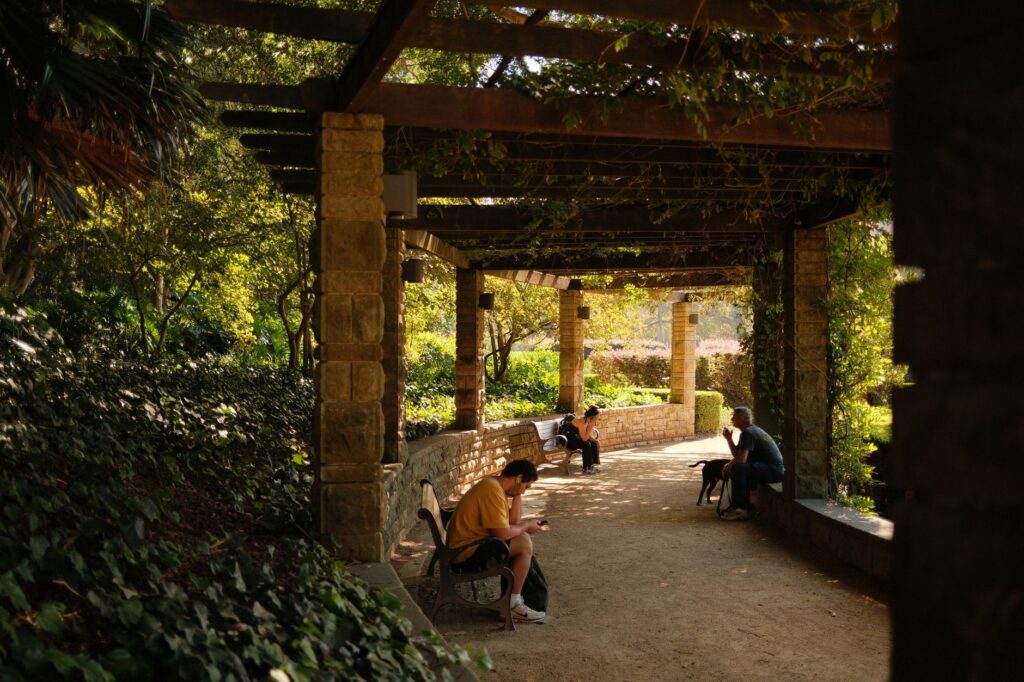
Thinking about adding a pergola to your backyard? You're not alone. Pergolas have become one of the most popular home extensions in Australia, transforming ordinary outdoor areas into functional alfresco living spaces. Understanding the pergola cost Australia homeowners face in 2026 helps you plan a realistic budget and avoid expensive surprises down the track.
What's in this guide
- Average pergola cost Australia breakdown
- Freestanding vs attached pergolas
- Roofing options and their impact on cost
- Permits and regulations
- Factors affecting your final price
- Common mistakes to avoid
- FAQ
Average pergola cost Australia breakdown
In 2026, the average pergola cost Australia homeowners can expect ranges from $3,500 for a basic DIY kit to over $25,000 for a premium custom-built structure with high-end materials and features. Most standard pergolas land somewhere in the middle, typically between $8,000 and $18,000 including materials and professional installation.
Here's a closer look at typical price brackets:
- Budget DIY kits: $3,500–$6,000 for basic aluminium or timber frames you assemble yourself
- Standard professionally installed: $8,000–$14,000 for a 3m × 4m timber or aluminium pergola with polycarbonate roofing
- Premium custom builds: $15,000–$25,000+ for hardwood timber, insulated roofing, or architectural designs with integrated lighting and fans
Labour typically accounts for 30–40% of the total cost when you hire a carpenter or builder. Expect to pay between $60 and $90 per hour for skilled trades in metro areas, with regional rates sometimes 10–15% lower. A straightforward attached pergola might take two to three days to complete, while complex freestanding designs with footings and custom features can stretch to a full week.
Freestanding vs attached pergolas
One of the first decisions you'll face is whether to build a freestanding or attached pergola. Each option comes with distinct cost implications and practical considerations.
Attached pergolas connect directly to your home, usually extending from an exterior wall to create a covered patio or deck area. Because they use your existing structure for support on one side, they often require fewer posts and less foundation work. The average cost for an attached pergola sits between $7,000 and $15,000 depending on size and materials. Attached designs integrate seamlessly with your home's architecture and can help reduce cooling costs by shading windows and doors during summer.
Freestanding pergolas stand independently in your yard, supported by posts on all sides. They offer more flexibility in placement—you can position them over a garden bed, beside a pool, or in a far corner of your property. However, they require more robust foundations and additional structural posts, which increases both material and labour costs. Freestanding structures typically run $9,000 to $20,000 for comparable dimensions. If you're planning other outdoor extensions like decking, a freestanding pergola might complement the overall design beautifully.
Keep in mind that attached pergolas may trigger additional council scrutiny regarding setbacks from boundary lines and impact on neighbouring properties, while freestanding structures sometimes face stricter height and placement rules.
Roofing options and their impact on cost
The pergola cost Australia residents pay varies dramatically based on roofing choice. Your roof determines not just the price but also how much shade, weather protection, and maintenance your pergola will demand over the years.
Open-lattice or slat roofing is the traditional pergola style—timber or aluminium beams spaced to allow partial sunlight and air circulation. This is the most affordable option, adding roughly $50–$100 per square metre to your build. Open designs work well in temperate climates but offer limited rain protection.
Polycarbonate roofing has become the most popular choice for Australian pergolas. These lightweight, UV-resistant panels provide excellent weather protection while still allowing natural light through. Twin-wall polycarbonate sheets cost approximately $80–$150 per square metre installed, while premium multiwall or tinted options can reach $180 per square metre. They're durable, low-maintenance, and handle extreme heat better than many alternatives.
Colorbond steel roofing delivers maximum weather protection and matches well with Australian home exteriors. Expect to pay $120–$200 per square metre for Colorbond installation. Steel roofs last decades with minimal upkeep, but they block all natural light and can amplify rain noise—consider insulated panels if sound is a concern.
Insulated roofing panels combine weather protection with thermal performance, keeping your alfresco space cooler in summer and warmer in winter. These premium options run $200–$300 per square metre but can be worth the investment if you're creating a year-round outdoor room. According to Australian Bureau of Statistics housing data, outdoor living spaces with climate control features add measurable value to properties.
Shade cloth or retractable canopies offer flexible coverage at moderate cost—$60–$120 per square metre for fixed shade cloth, or $2,000–$5,000 for motorised retractable systems. These work particularly well in regions with variable weather patterns.
Permits and regulations
Before you commit to any pergola project, factor in permit costs and approval timelines. Requirements vary by state and local council, but most pergolas require some level of approval or certification.
In general, you'll need development approval if your pergola exceeds certain size thresholds (commonly 20–25 square metres), sits too close to boundary lines (usually within 1 metre), or attaches to a heritage-listed property. Even if your project qualifies as exempt or complying development, you'll typically need a building certificate to confirm it meets the Building Code of Australia structural standards.
Permit and certification costs typically range from $300 to $1,200 depending on your location and project complexity. Processing times vary from two weeks for straightforward complying development certificates to six weeks or more for full development applications. If you live in a bushfire-prone area with a BAL (Bushfire Attack Level) rating, expect additional scrutiny around ember protection and non-combustible materials, which can increase both approval complexity and construction costs.
Many professional pergola installers include permit application and certification in their quotes, but always confirm this upfront. DIY builders are responsible for securing all necessary approvals themselves—skipping this step can result in fines and forced removal of the structure.
Factors affecting your final price
Beyond the basic structure type and roofing, several variables influence the final pergola cost Australia homeowners encounter:
Materials: Treated pine is the most budget-friendly timber option at $150–$250 per square metre, while Australian hardwoods like merbau or spotted gum run $300–$500 per square metre but offer superior durability and aesthetics. Powder-coated aluminium sits in the middle at $200–$350 per square metre and requires virtually no maintenance.
Size and complexity: A compact 3m × 3m pergola costs significantly less per square metre than a sprawling 6m × 8m structure due to economies of scale in labour and materials. Custom angles, integrated planters, or curved beams add 15–30% to base costs.
Site preparation: Flat, accessible sites with good drainage need minimal prep work. Sloping blocks, poor soil conditions, or restricted access can add $1,000–$3,000 for excavation, levelling, or crane hire to move materials into place.
Added features: Integrated lighting ($500–$2,000), ceiling fans ($300–$800 each), privacy screens ($800–$2,500), and outdoor blinds ($1,500–$4,000) quickly increase your budget but dramatically enhance functionality. If you're creating a cohesive outdoor entertaining area, you might also explore converting adjacent garage space for storage or utility use.
Location: Labour and material costs vary by region. Sydney and Melbourne typically see the highest prices, while regional Queensland and South Australia often offer 10–20% savings on comparable projects.
Common mistakes to avoid
Even experienced renovators can stumble when planning a pergola project. Here are the most common and costly mistakes to sidestep:
Underestimating total costs: Many homeowners budget for materials and basic labour but forget permits, site preparation, concrete footings, and finishing details. Always add a 15–20% contingency to your initial estimate.
Choosing the wrong roof for your climate: Open lattice looks beautiful but offers little protection during Melbourne's unpredictable spring or Brisbane's summer storms. Match your roofing choice to your local weather patterns and how you intend to use the space.
Ignoring orientation and sun angles: A pergola facing due west will cop the full force of afternoon summer sun, making it uncomfortably hot without adequate roofing or shade cloth. Consider seasonal sun paths before finalising placement and design.
Skimping on foundations: Inadequate footings are the number-one cause of pergola failure. In areas with reactive clay soils (common across much of Sydney, Melbourne, and Adelaide), footings may need to extend 600mm or deeper. Never cut corners here—structural failure is expensive and dangerous.
Poor drainage planning: Water pooling around pergola posts accelerates timber rot and undermines foundations. Ensure your design includes proper guttering, downpipes, and surface drainage away from the structure.
Not factoring in future landscaping: If you plan to add garden beds, paving, or pool surrounds later, coordinate the pergola placement and design now to avoid expensive modifications down the track.
FAQ
Do I need council approval for a pergola in Australia?
Most pergolas require at least a building certificate to confirm they meet structural standards, even if they qualify as exempt development. Requirements vary by state and council, so check with your local authority early in the planning process. Structures over 20–25 square metres or within 1 metre of boundaries typically need full development approval.
How much does a 4m × 4m pergola cost in Australia?
A standard 4m × 4m attached pergola with treated pine framing and polycarbonate roofing typically costs $9,000–$13,000 professionally installed in 2026. Freestanding versions or premium materials can push this to $12,000–$18,000. DIY kits for the same size start around $4,500–$6,500 excluding installation labour.
Is aluminium or timber better for pergolas?
Aluminium requires virtually no maintenance, won't rot or warp, and handles coastal salt exposure well, making it ideal for low-maintenance homeowners. Timber offers a warmer, more traditional aesthetic and can be more cost-effective upfront, but requires periodic sealing or staining. Choose based on your climate, maintenance tolerance, and design preferences.
How long does it take to build a pergola?
Professional installation of a standard attached pergola takes two to four days including site prep, footing installation, frame construction, and roofing. Complex freestanding designs or projects requiring extensive site work can extend to a week or more. DIY builds typically take keen weekend renovators two to three weekends to complete safely.
Can a pergola add value to my home?
Well-designed pergolas that extend functional living space and complement your home's architecture typically add $8,000–$15,000 to property value—often close to or exceeding the construction cost. Quality outdoor entertaining areas are highly sought after in the Australian property market, particularly in warmer climates where alfresco living is part of the lifestyle.
Planning your pergola project carefully and understanding the full pergola cost Australia homeowners face in 2026 sets you up for success. Whether you opt for a simple shade structure or a fully featured outdoor room, investing time in design, materials selection, and proper approvals ensures you'll enjoy your new space for decades to come. Get detailed quotes from at least three licensed builders, verify their insurance and licensing, and don't rush the decision—a well-built pergola is an investment in your home and lifestyle.
Comparing quotes? Once you have 2-3 in hand, drop them into our free Renovation Quote Comparator to see totals side-by-side and catch the common red flags automatically.