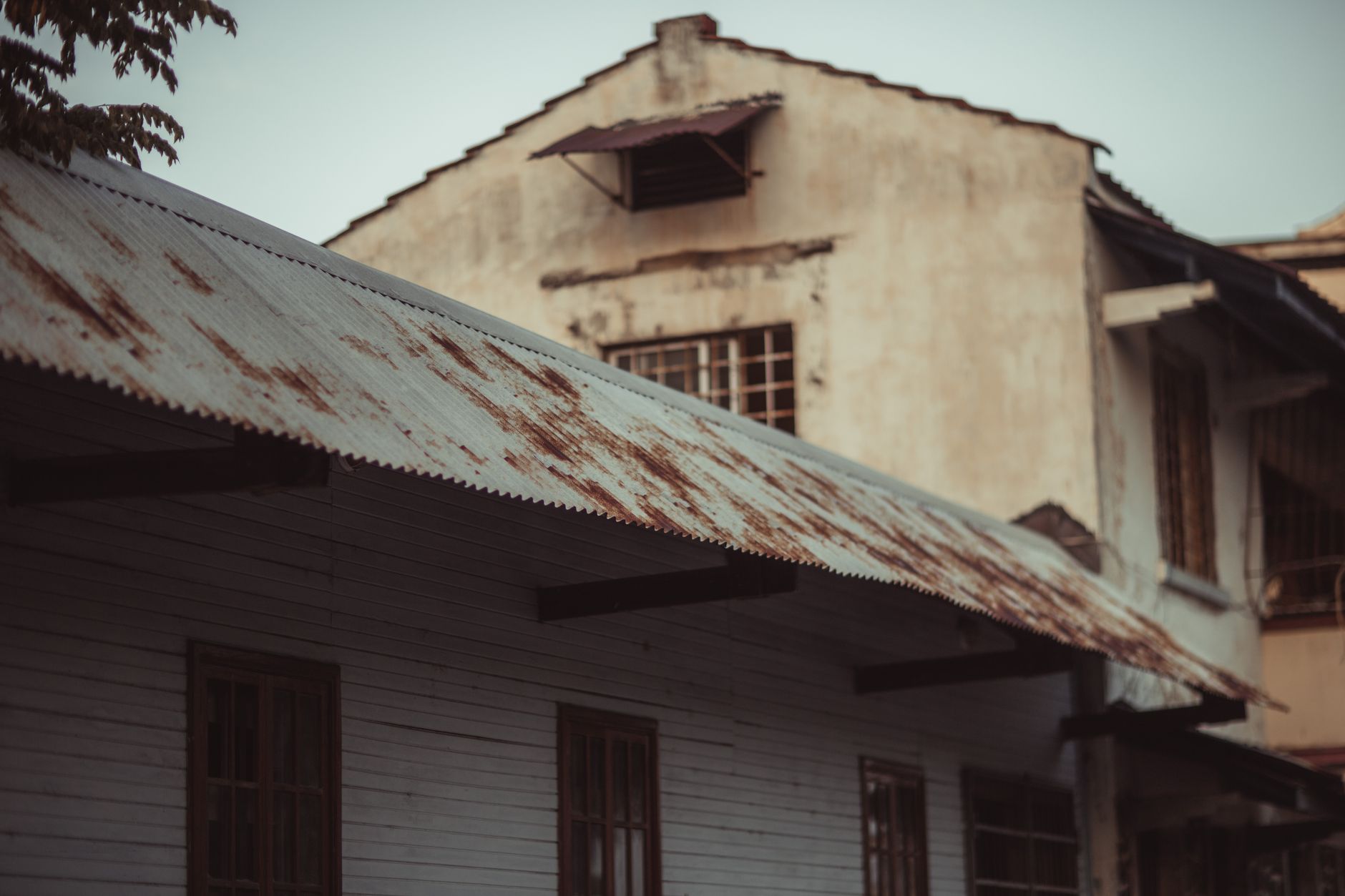
If you’ve noticed rust spots creeping across your iron roof or the colour fading after years under the Australian sun, it’s time to think about iron roof painting. Whether you’re tackling a heritage Queenslander or a modern suburban home, painting your iron roof correctly can add years to its lifespan, improve energy efficiency, and boost your property’s kerb appeal.
What’s in this guide
- Why paint your iron roof
- Iron roof painting costs in 2026
- Choosing the right paint for iron roofs
- Preparation and painting process
- DIY vs professional iron roof painting
- Common mistakes to avoid
- FAQ
Why paint your iron roof
Iron roofing—whether corrugated iron, galvanised steel, or Colorbond that’s lost its factory finish—needs regular maintenance to withstand Australia’s harsh climate. Painting your iron roof serves several important purposes beyond aesthetics.
First, it protects against rust and corrosion. Exposed iron oxidises quickly, especially in coastal areas where salt spray accelerates the process. A quality roof coating forms a barrier against moisture, UV rays, and environmental pollutants. Second, roof paint can significantly improve your home’s thermal performance. Heat-reflective coatings reduce heat absorption by up to 50%, lowering cooling costs during summer months—a real benefit when energy prices keep climbing.
Finally, a freshly painted roof can increase your property value. Real estate agents consistently report that homes with well-maintained roofs attract more interest and higher offers. According to the Australian Bureau of Statistics, exterior improvements like roof painting deliver some of the strongest returns on investment for home renovations.
Iron roof painting costs in 2026
Understanding the cost breakdown helps you budget accurately for your iron roof painting project. Prices vary based on roof size, pitch, condition, and your location.
For professional iron roof painting, expect to pay between $35 and $60 per square metre across most Australian capital cities. A standard three-bedroom home with approximately 150–200 square metres of roof area typically costs $5,500–$11,000 for a complete job including preparation, priming, and two coats of quality paint.
Regional variations matter. Sydney and Melbourne contractors often charge at the higher end ($50–$60/sqm) due to labour costs and compliance requirements. Brisbane, Perth, and Adelaide sit in the middle range ($40–$55/sqm), while regional areas may offer slightly lower rates but with fewer qualified contractors available.
If you’re considering DIY iron roof painting to save money, material costs alone run $800–$2,000 for a typical home, including:
- Roof cleaning solution and rust converter: $80–$150
- Metal primer (15–20 litres): $250–$400
- Topcoat paint (15–20 litres): $400–$1,200 depending on quality
- Safety equipment hire (harness, scaffolding): $150–$400
- Brushes, rollers, and sundries: $80–$150
Keep in mind these figures assume your roof is in reasonable condition. Roofs with significant rust damage, multiple leaks, or structural issues will require repair work first, potentially adding $1,500–$5,000 to your project budget.
Choosing the right paint for iron roofs
Not all roof paints are created equal, and selecting the wrong product is one of the most expensive mistakes you can make. For iron roof painting, you need a coating specifically formulated for metal roofing that can handle expansion, contraction, and Australia’s UV intensity.
Acrylic roof paints are the most popular choice for residential iron roofs. They’re water-based, environmentally friendly, and offer excellent UV resistance. Quality acrylic formulations from brands like Dulux, Wattyl, and Taubmans typically cost $80–$120 per 10-litre tin and provide 10–15 years of protection when properly applied. Look for products with titanium dioxide pigments for superior hiding power and colour retention.
Elastomeric coatings represent the premium tier. These flexible membranes stretch and contract with temperature changes, making them ideal for roofs with existing minor cracks or in areas with extreme temperature swings. Expect to pay $150–$200 per 10 litres, but you’ll get 15–20 years of performance.
Heat-reflective paints deserve special mention for Australian conditions. Formulated with ceramic microspheres or special pigments, these coatings reflect solar radiation rather than absorbing it. The Australian Building Codes Board recognises heat-reflective roofing as an effective strategy for meeting energy efficiency requirements in new construction, and retrofitting your existing iron roof delivers similar benefits.
For colour selection, lighter shades (whites, creams, light greys) offer the best heat reflection, reducing roof surface temperatures by 20–30°C compared to dark colours. If you prefer darker tones for aesthetic reasons, invest in a premium heat-reflective formula to mitigate heat absorption.
Preparation and painting process
Proper preparation accounts for 70% of a successful iron roof painting outcome. Rush this stage, and even premium paint will fail prematurely.
Step 1: Safety first. Working on roofs is inherently dangerous. Install temporary roof anchors and use a properly rated safety harness. On steep-pitched roofs (over 25 degrees), consider hiring scaffolding rather than relying on ladders. Check your insurance covers roof work if you’re going DIY—many policies don’t.
Step 2: Clean thoroughly. Use a high-pressure washer (1500–2000 PSI) to remove dirt, moss, lichen, and loose paint. For iron roofs, add a specialised roof-cleaning solution that kills organic growth and degreases the surface. Allow 48 hours drying time after washing—moisture trapped under new paint causes early failure.
Step 3: Treat rust. Wire-brush or grind away flaking rust down to sound metal. Apply a rust converter or rust-inhibiting primer to any areas showing corrosion. Products containing zinc phosphate offer excellent protection for iron substrates.
Step 4: Prime bare metal. Any areas stripped back to bare metal must be primed within 24 hours to prevent flash rusting. Use a metal-specific primer compatible with your topcoat system. If you’re working with previously painted surfaces in good condition, a full prime coat may not be necessary—consult your paint manufacturer’s technical data sheet.
Step 5: Apply topcoats. Most iron roof painting systems require two coats for adequate protection. Apply the first coat in one direction (say, along the corrugations), then apply the second coat perpendicular once the first is touch-dry. Use a 12mm nap roller for flat areas and a quality brush for ridges, valleys, and flashings. Avoid painting in direct sun, high winds, or when rain is forecast within 24 hours.
Allow a full 7 days curing time before the roof is fully cured and can handle foot traffic or extreme weather. If you’re interested in other exterior metal painting projects, our guide on painting steel roofs covers similar techniques that apply to various metal roofing types.
DIY vs professional iron roof painting
The decision between DIY iron roof painting and hiring professionals hinges on your skill level, available time, and risk tolerance.
When DIY makes sense: If you have a single-storey home with a low-pitched roof (under 20 degrees), reasonable DIY skills, and several weekends to dedicate to the project, you can save $3,000–$7,000 in labour costs. You’ll also have complete control over product selection and application quality. However, you assume all safety risk and warranty responsibility—if the paint fails in two years, you’re recoating at your own expense.
When to hire professionals: Two-storey homes, steeply pitched roofs, properties with complex roof lines, or roofs requiring significant repair work are best left to licensed contractors. Professional roof painters carry public liability insurance (minimum $20 million coverage is standard), have proper safety equipment and training, and typically offer 5–10 year workmanship warranties. They’ll also complete the job in 2–4 days rather than multiple weekends.
When obtaining quotes, ensure contractors are licensed (check your state’s building authority), request proof of insurance, and ask for at least three local references you can contact. A detailed written quote should specify paint brands and grades, number of coats, preparation methods, and warranty terms. Be wary of quotes significantly below market rates—they often indicate substandard materials or shortcuts in preparation.
For those tackling other painting projects simultaneously, you might find our painting metal roof guide helpful for understanding how different metal roofing materials compare in terms of preparation and coating requirements.
Common mistakes to avoid
Even experienced DIYers make costly errors with iron roof painting. Here are the pitfalls to watch for:
Painting over rust. Surface rust might disappear under a coat of paint, but it continues spreading underneath, lifting your new coating within months. Always treat rust properly with converters or by grinding back to sound metal.
Skipping primer. “It’s already painted, so I’ll just apply two topcoats” is false economy. Primer provides adhesion and corrosion protection that topcoats alone can’t deliver. The extra $200–$300 in primer saves you from a complete do-over.
Wrong weather conditions. Painting when temperatures are below 10°C or above 35°C, or when humidity exceeds 85%, causes poor film formation and adhesion issues. Check the paint manufacturer’s application guidelines and plan around weather forecasts.
Inadequate coverage. Trying to stretch paint too far leaves thin spots that fail prematurely. Follow the manufacturer’s spread rate (typically 6–8 sqm per litre for metal roofs). Measure your roof accurately and buy 10% extra to ensure proper coverage.
Ignoring valleys and flashings. Water collects in these areas, making them prone to early failure. Apply extra attention and possibly an additional coat to valleys, around chimneys, and at roof-to-wall junctions.
No safety plan. Falls from roofs cause dozens of Australian deaths and hundreds of serious injuries every year. If you’re not confident working at height with proper safety equipment, hire professionals. Your life is worth more than the money you might save.
FAQ
How often should iron roofs be painted?
Most iron roofs need repainting every 10–15 years with quality paint systems, or 7–10 years in harsh coastal or industrial environments. Regular inspections every 2–3 years help you catch issues early. If you notice widespread fading, chalking, or rust spots appearing, it’s time to repaint regardless of how long it’s been since the last coating.
Can I paint over existing Colorbond or Zincalume?
Yes, but preparation is crucial. Colorbond’s factory finish must be lightly abraded (not stripped) to provide a key for new paint. Use 180-grit sandpaper or a Scotch-Brite pad, clean thoroughly with a wax and grease remover, then apply a metal primer designed for pre-painted surfaces. Zincalume requires a zinc-phosphate etch primer for proper adhesion. Painting over these materials voids the manufacturer’s warranty, so only proceed if the original finish has significantly degraded.
What’s the best time of year for iron roof painting in Australia?
Autumn (March–May) and spring (September–November) offer ideal conditions across most of Australia. You’ll get mild temperatures, lower humidity, and more predictable weather. Avoid summer in northern regions (too hot and wet) and winter in southern states (too cold and damp). Always check the 7-day forecast before starting and avoid periods when rain is likely within 24 hours of application.
Do I need council approval to paint my iron roof?
Generally no—roof painting is considered routine maintenance and doesn’t require council approval or building permits in most Australian jurisdictions. However, if you’re changing to a dramatically different colour in a heritage overlay area or an estate with strict colour covenants, check with your local council first. Strata-titled properties and body corporate arrangements often require approval for colour changes, even if council doesn’t.
How long does iron roof painting take to complete?
Professional crews typically complete iron roof painting for an average home in 2–4 days, weather permitting: one day for cleaning and preparation, one day for priming (if required), and 1–2 days for applying two topcoats with drying time between. DIY projects usually take 3–6 weekends depending on your experience, roof complexity, and how many hours you can dedicate. Remember that rushing leads to poor results—proper drying time between coats is non-negotiable.
A well-executed iron roof painting project protects your home for years and saves money compared to premature roof replacement. Whether you’re refreshing faded paint or rescuing a rusty roof, following the right preparation steps and choosing quality materials ensures your investment pays off. Take time to plan properly, prioritise safety, and don’t cut corners on preparation—your roof will thank you with decades of reliable service.
Related guides
For more on Australian renovation costs, see: