Choosing the right flooring for your Australian home can feel like walking a tightrope between aesthetics and practicality. If you’ve been dreaming of the warmth and elegance of timber but worry about water damage, scratches, or the price tag, hybrid timber flooring might be the perfect middle ground. This innovative product combines the natural beauty of timber with the durability of modern engineered materials, delivering a floor that looks stunning and stands up to real life.
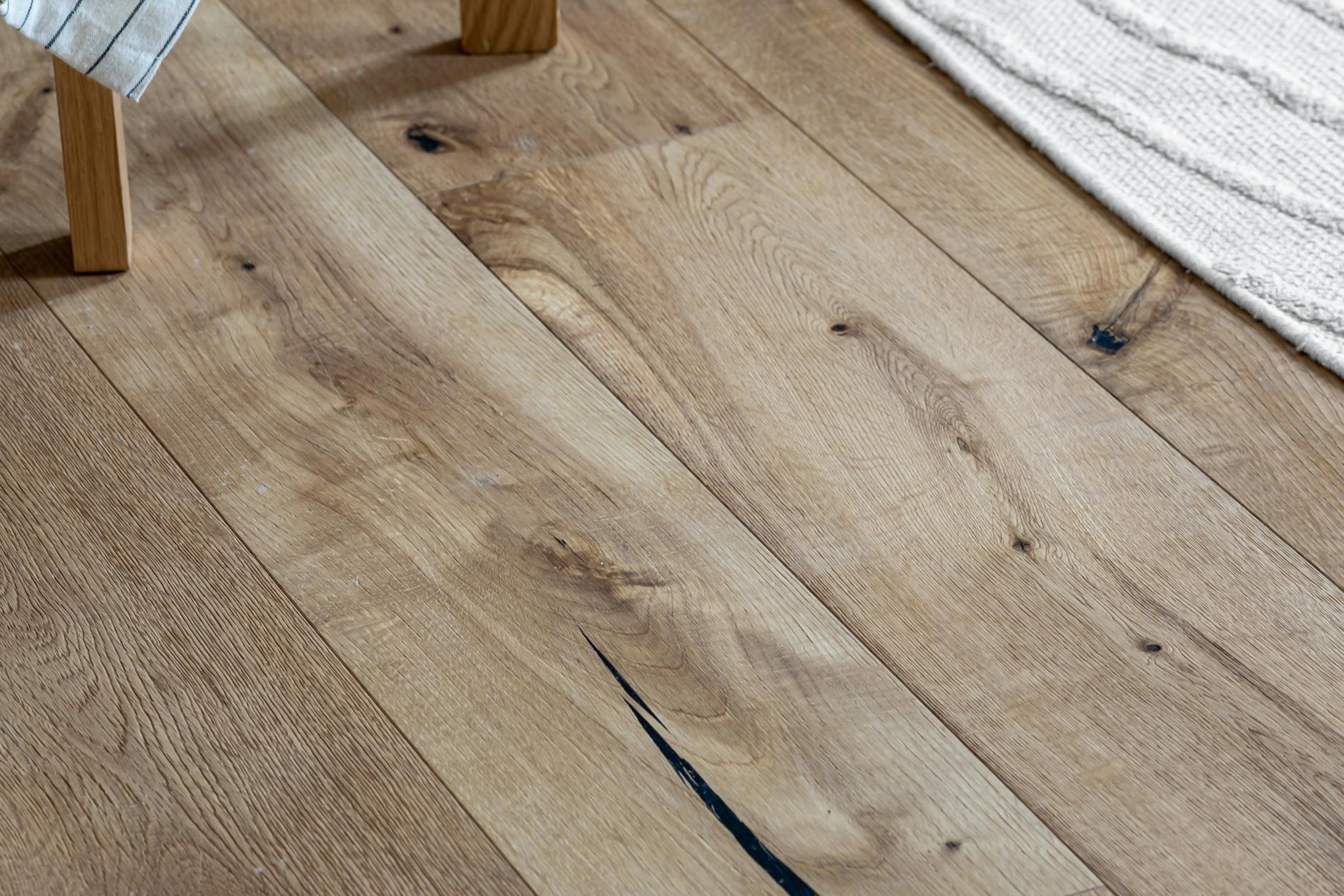
What’s in this guide
- What is hybrid timber flooring?
- Key benefits of hybrid timber flooring
- How much does hybrid timber flooring cost?
- Installation options and process
- Common mistakes to avoid
- Frequently asked questions
What is hybrid timber flooring?
Hybrid timber flooring is a multi-layer flooring product that merges the appearance of real timber with a rigid composite core, typically made from a blend of stone plastic composite (SPC) or wood plastic composite (WPC). Unlike traditional hardwood or engineered timber, hybrid timber flooring features a waterproof core, making it suitable for kitchens, bathrooms, laundries, and even outdoor alfresco areas in some cases.
The construction usually consists of four to six layers: a wear layer (often UV-coated), a decorative timber-look layer, a rigid core, an underlayment, and a backing layer. This engineered approach delivers exceptional dimensional stability—meaning the planks won’t expand or contract dramatically with humidity changes, a common issue in Australian climates from the humidity of Far North Queensland to the dry heat of central NSW.
Most hybrid timber flooring uses a click-lock installation system, allowing for floating installation without glue or nails. This makes it a popular choice for DIY-curious renovators looking to tackle hybrid flooring projects without hiring a professional installer.
Key benefits of hybrid timber flooring
One of the standout advantages of hybrid timber flooring is its waterproof or highly water-resistant construction. Unlike solid hardwood, which can warp or cup when exposed to moisture, hybrid planks maintain their integrity even in wet areas. This is particularly useful in Australian homes where split-level living opens directly onto pool decks or where open-plan kitchens see plenty of spills.
Durability is another major drawcard. The wear layer on quality hybrid timber flooring typically ranges from 0.3 mm to 0.7 mm, providing excellent scratch and dent resistance. Households with pets, children, or high foot traffic will appreciate how well these floors hold up compared to traditional timber. The Australian Building Codes Board recognises the importance of durable finishes in residential construction, and hybrid products often meet or exceed Building Code of Australia standards for flooring materials.
Comfort underfoot is enhanced by the integrated underlayment found in many hybrid timber flooring products. This layer provides acoustic dampening—critical in multi-storey homes or apartments—and a slight cushioning effect that feels warmer and quieter than hard tile or stone.
Maintenance is refreshingly simple. A regular sweep or vacuum followed by damp mopping with a pH-neutral cleaner is usually all you need. There’s no need for periodic sanding, oiling, or polishing like you’d expect with solid timber, saving both time and money over the lifespan of the floor.
Aesthetic versatility is another reason hybrid timber flooring has surged in popularity. Modern printing technology allows manufacturers to replicate a wide range of timber species—from Australian Blackbutt and Spotted Gum to European Oak and American Walnut—often with embossed textures that mimic the grain and knots of real wood. Whether you’re renovating a heritage Queenslander or a contemporary urban apartment, you’ll find a style that fits.
How much does hybrid timber flooring cost?
Understanding the cost of hybrid timber flooring helps you budget effectively and avoid surprises. Prices vary based on quality, brand, wear layer thickness, and retailer, but here’s a breakdown of typical costs across Australia in 2026.
Material costs: Entry-level hybrid timber flooring typically starts around $35–$50 per square metre. These products usually feature thinner wear layers (0.3 mm) and simpler timber-look designs. Mid-range options, which offer better realism, thicker wear layers (0.5 mm), and enhanced acoustic properties, range from $50–$80 per square metre. Premium hybrid timber flooring—often imported European brands or Australian-made lines with 0.7 mm wear layers and advanced embossing—can cost $80–$120+ per square metre.
Installation costs: Professional installation for hybrid timber flooring generally runs between $25 and $45 per square metre, depending on your location and the complexity of the job. Sydney and Melbourne installers tend to charge at the higher end, while regional areas may be slightly more affordable. If you opt for DIY installation, you’ll save on labour but may need to purchase or hire tools such as a drop saw, tapping block, and pull bar, which can add $50–$150 to your overall spend.
Additional costs: Don’t forget underlayment if your chosen product doesn’t include an attached pad—budget $5–$15 per square metre. Trims, skirting boards, and transition strips typically add another $10–$25 per linear metre. Subfloor preparation, such as levelling or moisture barrier installation, can range from $10–$30 per square metre if required.
For a typical 50-square-metre living area using mid-range hybrid timber flooring, you’re looking at approximately $2,500–$4,000 in materials, $1,250–$2,250 in installation, and $500–$1,000 in trims and prep work—bringing the total project cost to around $4,250–$7,250. Compared to solid hardwood or engineered timber, hybrid timber flooring often delivers better value, especially when factoring in long-term maintenance savings.
Installation options and process
Hybrid timber flooring is designed with ease of installation in mind. The click-lock tongue-and-groove system allows planks to snap together without adhesive, nails, or screws, making it one of the most DIY-friendly flooring options available. This floating floor method also means the planks can expand and contract naturally without damage, provided you leave the required expansion gap (typically 5–10 mm) around the perimeter of the room.
Before installation, it’s essential to acclimate the planks to the room’s temperature and humidity for at least 48 hours. This step ensures the material stabilises and reduces the risk of movement post-installation. The subfloor must be clean, dry, and level—variations of more than 3 mm over a 3-metre span can cause issues with locking mechanisms and lead to an uneven surface underfoot.
Most installers begin by laying the first row along the longest wall, using spacers to maintain the expansion gap. Planks are staggered in a brick pattern (typically with end joints offset by at least 300 mm) for structural stability and visual appeal. Cutting is straightforward with a drop saw or jigsaw, and doorframes can be undercut to allow planks to slide underneath for a seamless finish.
For rooms with irregular shapes, alcoves, or built-in cabinetry, a laser measure and careful templating can save time and material waste. Professional installers typically complete a standard residential room in one to two days, while a confident DIYer might take a weekend.
If you’re renovating multiple rooms, consider whether you want a continuous flow of the same hybrid timber flooring throughout or prefer to use transition strips between spaces. Many homeowners opt for consistent flooring across open-plan areas to create visual continuity, a popular trend in modern Australian homes.
Common mistakes to avoid
Even with a user-friendly product like hybrid timber flooring, there are pitfalls that can compromise the quality and longevity of your installation. One of the most frequent errors is failing to properly prepare the subfloor. Any lumps, dips, or debris will telegraph through the planks and can prevent the locking system from engaging correctly. Always use a levelling compound if necessary and vacuum thoroughly before laying the first plank.
Skipping the acclimation period is another common mistake. While hybrid timber flooring is more dimensionally stable than solid timber, the material still needs time to adjust to the room’s environment. Installing too soon can result in minor gapping or peaking at the seams.
Ignoring expansion gaps is a recipe for disaster. If planks are installed too tightly against walls, cabinetry, or door frames, they have nowhere to go when the material expands slightly. This can cause buckling or lifting, especially in larger rooms or during seasonal temperature swings. Use spacers religiously and trim them before installing skirting boards or beading.
Choosing the wrong wear layer thickness for your household is another misstep. If you have large dogs, active kids, or heavy furniture that’s frequently moved, a 0.3 mm wear layer may show signs of wear within a few years. Investing in a thicker wear layer upfront can extend the life of your floor significantly.
Finally, overlooking the importance of quality underlayment—or assuming the attached pad is sufficient for all scenarios—can lead to noise issues or discomfort underfoot. In multi-storey homes or over concrete slabs, a dedicated acoustic or thermal underlayment may be worth the extra expense. If you’re also considering other resilient flooring options, you might find our guide on luxury vinyl plank flooring helpful for comparison.
Frequently asked questions
Is hybrid timber flooring suitable for bathrooms and laundries?
Yes. The waterproof core makes hybrid timber flooring an excellent choice for wet areas like bathrooms, laundries, and even powder rooms. Just ensure seams are properly locked and avoid standing water for prolonged periods, as moisture can eventually seep through joins if not maintained.
Can I install hybrid timber flooring over existing tiles?
In most cases, yes—provided the tiles are level, firmly adhered, and clean. Any loose or cracked tiles should be removed or repaired first. Installing over tiles can save time and cost on demolition, but check that door clearances and transitions to adjacent rooms remain practical.
How does hybrid timber flooring perform in high-temperature areas?
Hybrid timber flooring generally handles temperature variations well, but extreme heat—such as direct sun exposure through large west-facing windows or Bushfire Attack Level (BAL) zones—may cause slight expansion. Use curtains or blinds to minimise UV exposure, and ensure adequate expansion gaps are maintained. For homes in bushfire-prone areas, consult the Australian Building Codes Board for specific flooring material requirements.
What’s the difference between hybrid timber flooring and luxury vinyl plank?
Both are engineered, resilient flooring options with waterproof properties and click-lock installation. The main difference lies in the core: hybrid timber flooring uses a rigid stone or wood plastic composite core, while luxury vinyl plank typically has a softer PVC core. Hybrid products tend to feel firmer and more stable underfoot, while LVP can offer slightly more cushioning. For a deeper dive into LVP, check out our luxury vinyl wood plank flooring guide.
How long does hybrid timber flooring last?
With proper care, quality hybrid timber flooring can last 15–25 years or more. The wear layer thickness, household traffic, and maintenance routine all play a role in longevity. Premium products with thicker wear layers and UV coatings often come with residential warranties of 20–30 years.
Do I need to use specific cleaning products?
Stick to pH-neutral cleaners designed for resilient flooring. Avoid harsh chemicals, abrasive scrubbers, or steam mops, as excessive heat and moisture can damage the wear layer or seams over time. A microfibre mop and warm water with a splash of gentle floor cleaner is usually all you need.
Hybrid timber flooring offers Australian homeowners a smart, durable, and visually appealing alternative to traditional timber and other hard flooring options. Whether you’re renovating a single room or outfitting an entire home, this versatile product balances beauty, performance, and value. Take the time to choose the right wear layer thickness, prepare your subfloor properly, and follow best-practice installation techniques—and you’ll enjoy a floor that looks great and performs brilliantly for decades to come.
Related guides
For more on Australian renovation costs, see: