Brisbane homeowners are increasingly choosing hybrid flooring for their renovation projects, and it’s easy to see why. With the city’s subtropical climate demanding floors that can handle humidity and temperature swings, hybrid flooring Brisbane installations offer a durable, waterproof solution that looks stunning in any room. Whether you’re tackling a full-home makeover or updating a single space, understanding the costs and local considerations will help you budget accurately and avoid expensive surprises.
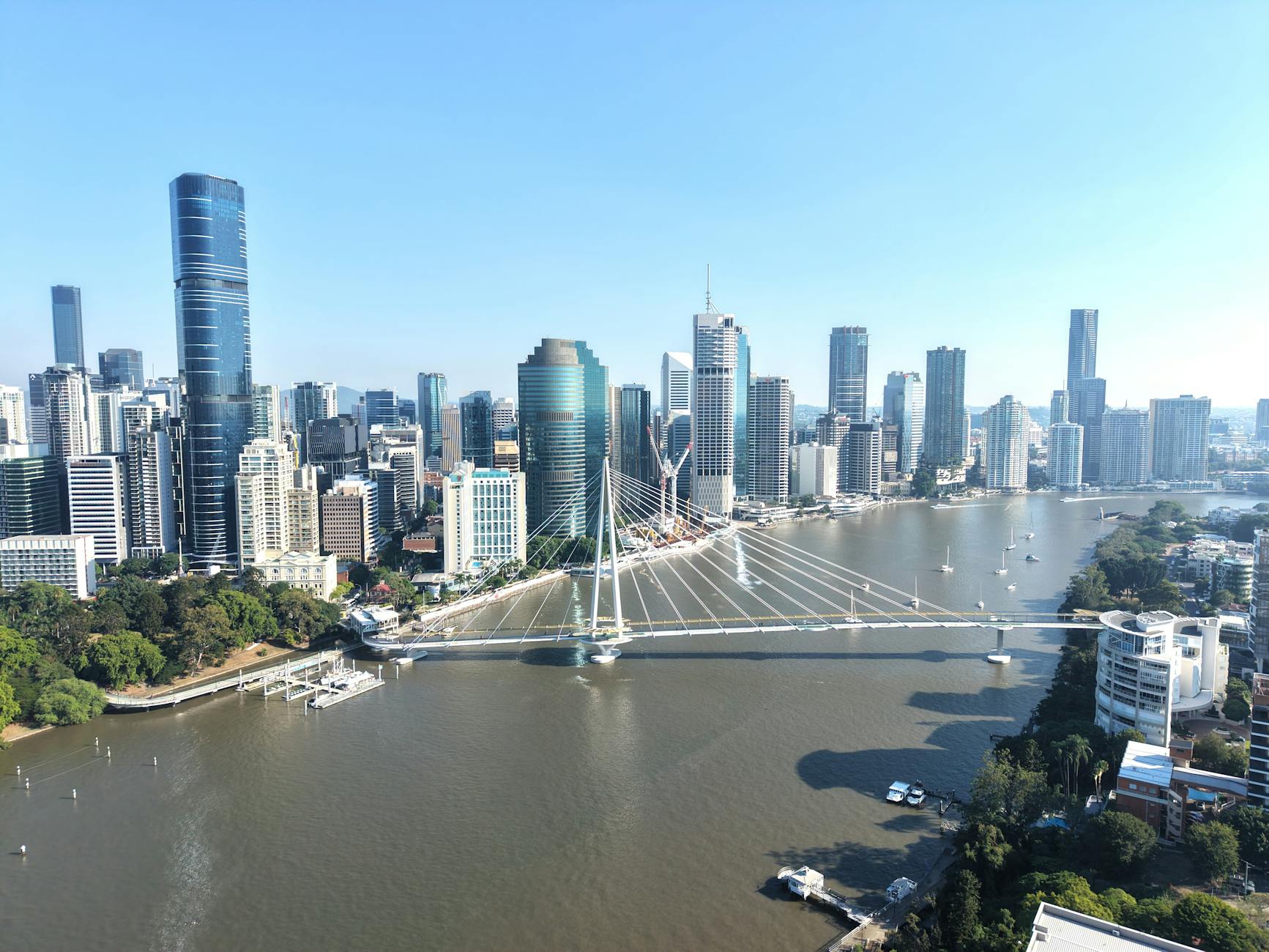
What’s in this guide
- Hybrid flooring Brisbane pricing breakdown 2026
- Installation costs and labour rates
- Brisbane-specific considerations and climate factors
- Product grades and where to buy in Brisbane
- Common mistakes to avoid
- Frequently asked questions
Hybrid flooring Brisbane pricing breakdown 2026
Hybrid flooring costs in Brisbane vary significantly based on product quality, room size, and installation complexity. In 2026, you’re looking at these typical price ranges for materials and installation combined:
- Budget hybrid flooring: $45–$65 per square metre (including installation)
- Mid-range hybrid flooring: $65–$90 per square metre (including installation)
- Premium hybrid flooring: $90–$130 per square metre (including installation)
- Ultra-premium brands: $130–$180 per square metre (including installation)
For a typical Brisbane three-bedroom Queenslander home with approximately 100 square metres of flooring, you can expect total project costs between $6,500 and $13,000 depending on your material choice. These figures assume standard installation on a prepared subfloor without major levelling work or complex patterns.
Materials alone typically account for 55–65% of your total hybrid flooring Brisbane cost. Entry-level products from major retailers start around $25–$35 per square metre, while premium European or commercial-grade options can reach $80–$110 per square metre before installation.
Installation costs and labour rates
Professional installation labour in Brisbane sits between $20 and $45 per square metre in 2026, depending on the installer’s experience and job complexity. Most reputable flooring specialists charge $25–$35 per square metre for straightforward residential installations, which includes:
- Subfloor preparation and minor levelling (up to 3mm variance)
- Underlay installation (acoustic or moisture barrier)
- Hybrid plank cutting and fitting
- Skirting board removal and reinstallation or scotia installation
- Waste removal
Additional costs that often catch Brisbane homeowners off guard include:
- Major subfloor levelling: $15–$40 per square metre if your existing floor has significant unevenness
- Furniture removal and replacement: $200–$600 per room depending on volume
- Old flooring removal: $8–$20 per square metre for carpet, vinyl, or tiles
- Moisture barrier upgrades: $5–$12 per square metre in flood-prone Brisbane suburbs
- Complex layouts: Add 15–25% for herringbone, chevron, or diagonal patterns
If you’re planning multiple room renovations, similar to what homeowners tackle during a kitchen renovation in Brisbane, consider bundling your flooring project across the entire level to negotiate better per-square-metre rates with installers.
Brisbane-specific considerations and climate factors
Brisbane’s subtropical climate makes hybrid flooring an exceptionally smart choice, but local conditions influence both product selection and installation approach. The city’s average humidity levels of 60–70% and summer temperatures regularly exceeding 30°C mean your hybrid flooring Brisbane installation needs careful planning.
Queenslander homes present unique challenges. Many feature timber stumps and raised floors with excellent ventilation underneath, but this can create temperature differentials between the subfloor and living space. Quality installers will always include a moisture barrier even with raised floors, and they’ll leave appropriate expansion gaps (typically 10–12mm around the perimeter) to accommodate Brisbane’s seasonal movement.
Specific Brisbane suburb considerations include:
- Flood-prone areas (West End, Rocklea, parts of Milton): Opt for premium waterproof cores rated for 72+ hours of water exposure, and ensure your underlay includes a DPM (damp-proof membrane). The Brisbane City Council flood mapping should inform your material choice.
- Elevated homes (Paddington, Red Hill, Bardon): Extra attention to acclimatisation (48–72 hours on-site before installation) prevents buckling in fluctuating temperatures.
- Newer developments (Springfield, Yarrabilba, Ripley): Concrete slabs are common and may require longer drying times before hybrid installation—typically 28 days minimum for new slabs.
- Heritage zones (New Farm, Teneriffe): Council approval isn’t typically required for internal flooring, but if you’re renovating a character home, check whether your property has specific heritage overlays that might affect renovation scope.
The Australian Standard AS 1884-2021 for resilient flooring applies across Brisbane and sets requirements for installation, particularly moisture testing and subfloor preparation. Reputable installers will conduct calcium chloride or relative humidity testing on concrete slabs before proceeding.
Product grades and where to buy in Brisbane
Understanding wear layer thickness helps you choose the right hybrid flooring Brisbane product for your household traffic levels:
- 0.3mm wear layer: Light residential use, bedrooms only, 10–12 year lifespan — $25–$40/m²
- 0.5mm wear layer: Standard residential, living areas, 15–20 year lifespan — $40–$60/m²
- 0.7mm wear layer: Heavy residential or light commercial, 20–25 year lifespan — $60–$85/m²
- 1.0mm+ wear layer: Commercial grade, high-traffic homes, 25+ year lifespan — $85–$110/m²
Major Brisbane suppliers in 2026 include:
- Flooring Xtra (multiple Brisbane locations)
- Carpet Court Brisbane and northside showrooms
- Choices Flooring in Fortitude Valley and suburban locations
- Bunnings Warehouse for budget DIY options
- European specialty importers in Newstead and Bowen Hills for premium ranges
When comparing quotes, verify that the product includes a rigid SPC (stone polymer composite) or WPC (wood polymer composite) core—both perform well in Brisbane’s climate, but SPC offers superior dimensional stability in extreme heat. Look for products with Australian Standards certification and warranties of at least 15 years for residential use.
Acoustic performance matters in multi-level homes and units. Brisbane City Council recommends impact sound insulation of at least 62dB for apartments under the Building Code of Australia. Quality hybrid with appropriate underlay typically achieves 65–68dB, exceeding requirements without additional soundproofing.
Common mistakes to avoid
The biggest mistake Brisbane homeowners make is skipping proper acclimatisation. Hybrid flooring must sit in the installation room for 48–72 hours to adjust to local temperature and humidity. Installing planks straight from an air-conditioned warehouse into a hot Brisbane home creates expansion issues within weeks.
Many DIY enthusiasts underestimate subfloor preparation. Even a 4mm height difference across a room can cause clicking joints to separate over time. Professional levelling costs $15–$40 per square metre but prevents thousands in remedial work later. If you’re considering the DIY route for other projects, our DIY versus professional vinyl flooring comparison covers similar considerations that apply to hybrid installations.
Choosing inadequate moisture protection is particularly costly in Brisbane. Even if you don’t live in a flood zone, ground moisture and humidity can penetrate concrete slabs. Always use a quality DPM underlay—saving $3–$5 per square metre here often leads to plank warping and voided warranties.
Another common error is matching existing skirting boards without considering expansion gaps. Hybrid flooring needs 10–12mm clearance around the entire perimeter. If your skirtings don’t have enough depth or you’re keeping heritage profiles, budget for scotia beading or quarter-round trim to cover the gap professionally.
Finally, many homeowners buy based purely on price per square metre without factoring installation complexity. Open-plan Brisbane homes with multiple doorways, angled walls, or transitions to outdoor decking require more cuts, wastage, and labour time. Get itemised quotes that separate materials, labour, and preparation so you can compare accurately.
Frequently asked questions
How long does hybrid flooring installation take in a Brisbane home?
A typical three-bedroom Brisbane home (90–100m²) takes 2–3 days for professional installation, including subfloor prep and skirting work. Add an extra day for furniture moving and old flooring removal. Acclimatisation should happen 2–3 days before installation begins, so plan for about a week from delivery to completion.
Does hybrid flooring suit Brisbane’s humidity and heat?
Absolutely. Hybrid flooring is engineered specifically for Australian climates and outperforms timber and laminate in humid conditions. The waterproof core won’t swell or warp with Brisbane’s humidity levels, and quality products handle direct sunlight without fading. Choose products with UV-resistant wear layers rated to Australian standards for best performance in Queensland’s strong sunlight.
Do I need council approval for hybrid flooring in Brisbane?
No. Internal flooring replacement is considered exempt development under Brisbane City Council planning schemes and doesn’t require approval. However, if your property is heritage-listed or you’re making structural changes to the subfloor, check with Brisbane City Council first. Standard like-for-like flooring replacement in any Brisbane suburb proceeds without permits.
What’s the best hybrid flooring thickness for Brisbane homes?
Most Brisbane installers recommend 6–7mm total thickness with at least a 0.5mm wear layer for residential spaces. Thicker isn’t always better—6mm hybrid with a quality SPC core performs identically to 8mm versions while being easier to install and creating fewer height transition issues with existing flooring in adjacent rooms.
Can hybrid flooring be installed throughout entire Brisbane homes including bathrooms?
Yes, and it’s increasingly popular for whole-home installations including bathrooms, laundries, and kitchens. Hybrid’s waterproof construction handles Brisbane’s bathroom humidity better than timber or laminate. Ensure installers seal edges properly around toilets and vanities, and choose textured finishes for wet areas to improve slip resistance. Many homeowners coordinate their flooring selection with broader projects like an ensuite renovation to create a cohesive design flow.
How does hybrid flooring pricing in Brisbane compare to Sydney or Melbourne?
Brisbane hybrid flooring costs typically run 5–10% lower than Sydney for equivalent products and installation. Materials pricing is similar nationally, but Brisbane’s lower labour costs and less competitive market create modest savings. The difference narrows for premium imported products where freight and supplier networks equalise pricing across capitals.
Choosing hybrid flooring for your Brisbane home delivers long-term value through durability, climate suitability, and timeless aesthetics. Get at least three detailed quotes from licensed installers, verify their insurance and product warranties, and don’t rush the acclimatisation and preparation phases. With proper planning and realistic budgeting, your new hybrid floors will handle everything Brisbane’s climate throws at them while looking fantastic for decades.
Related guides
For more on Australian renovation costs, see: