Planning a kitchen makeover can feel overwhelming, especially when you’re trying to pin down exactly how much you’ll need to spend. The estimated cost kitchen renovation projects vary wildly across Australia, from modest refreshes under $15,000 to high-end transformations exceeding $60,000. Understanding what drives these numbers helps you build a realistic budget and avoid costly surprises halfway through your project.
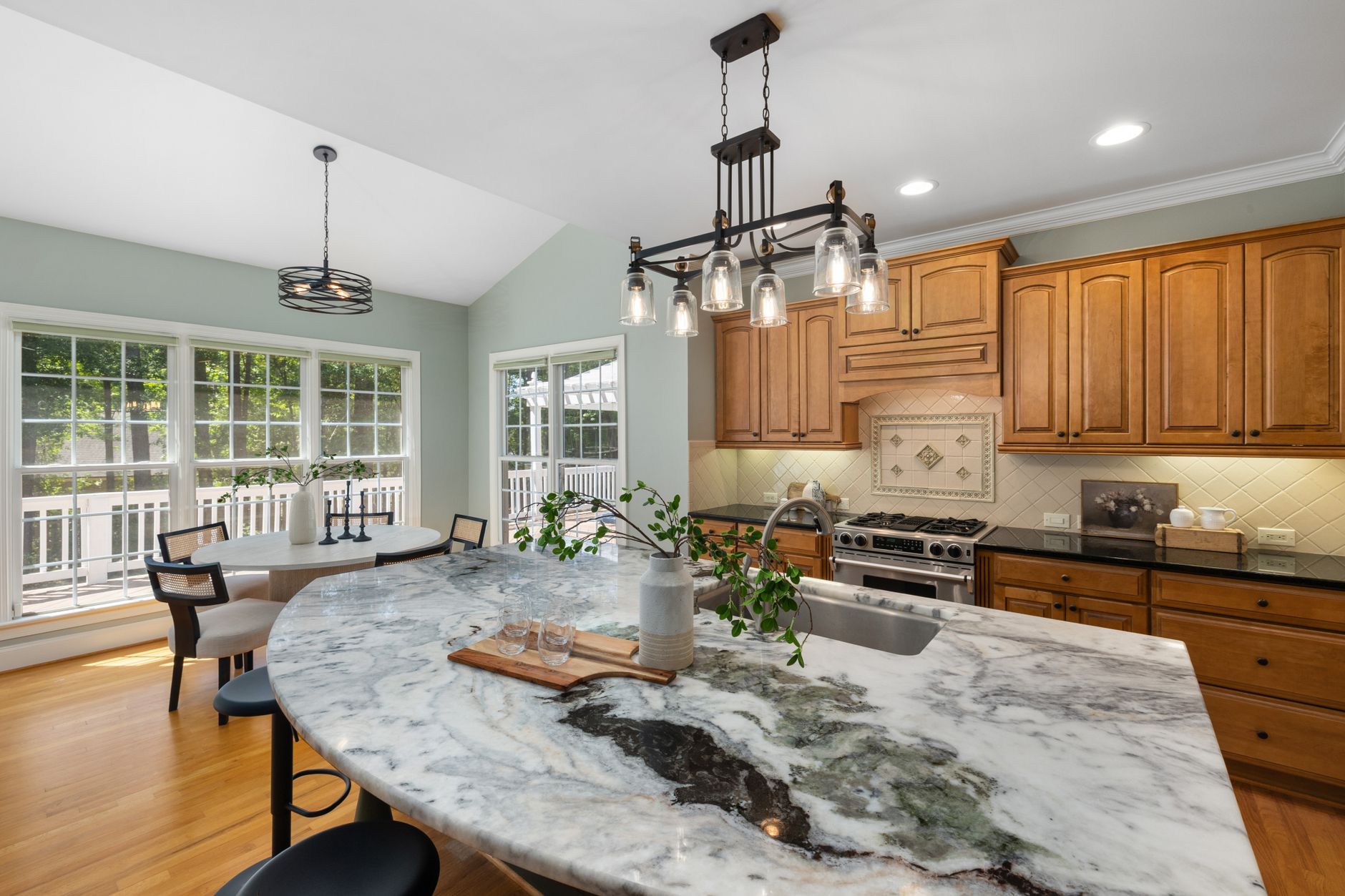
What’s in this guide
- Estimated cost kitchen renovation breakdown by scope
- Key factors influencing renovation expenses
- Where your money goes: budget categories explained
- Hidden costs that blow budgets
- Common mistakes to avoid
- FAQ
Estimated cost kitchen renovation breakdown by scope
Kitchen renovations fall into three broad categories, each with distinct price ranges and outcomes. Your estimated cost kitchen renovation depends heavily on which tier matches your goals.
Budget refresh ($8,000–$18,000): This level focuses on cosmetic updates without changing the kitchen layout. You’ll typically repaint or reface cabinets, install a laminate benchtop, add a new splashback, and upgrade appliances selectively. Plumbing and electrical work remain minimal because fixtures stay in their current locations. Budget refreshes work well for renters preparing to sell or homeowners who like their layout but want a visual update.
Mid-range renovation ($20,000–$40,000): Most Australian kitchen projects land in this bracket. You’ll replace cabinetry with flat-pack or semi-custom units, install stone or engineered stone benchtops, upgrade to quality appliances, and often reconfigure the layout modestly—perhaps moving the sink or adding a breakfast bar. Expect new flooring, updated lighting, and professional trades for plumbing, electrical, and gas work. A national kitchen renovation cost guide can help benchmark your spend against similar projects.
Premium transformation ($45,000–$80,000+): High-end renovations include fully custom cabinetry, natural stone benchtops, premium appliances (induction cooktops, built-in coffee machines), structural changes like removing walls, new flooring throughout adjoining areas, and designer fixtures. Labour costs rise because trades spend more time on intricate details. If you’re in a major metro area, regional pricing differences also apply—check out specific guides like Melbourne kitchen renovation costs or Sydney kitchen renovation costs for localised benchmarks.
Key factors influencing renovation expenses
Several variables push your estimated cost kitchen renovation up or down. Recognising these early helps you make informed trade-offs.
Kitchen size: A compact galley kitchen (under 8 m²) naturally costs less than a large open-plan space (15+ m²). Material quantities scale with area—more benchtop, more splashback tiles, more flooring. Labour hours also increase proportionally.
Layout changes: Moving plumbing, gas lines, or electrical outlets requires licensed trades and often council permits. Relocating a cooktop from one wall to an island, for instance, can add $2,000–$5,000 in plumbing and gas fitting alone. Keeping services in place slashes these costs.
Cabinetry choice: Flat-pack cabinets from large retailers start around $3,000 for a small kitchen. Semi-custom cabinets (where you choose finishes and configurations) range $8,000–$15,000. Fully bespoke joinery can exceed $20,000. Soft-close drawers, pull-out pantries, and internal organisers add incremental expense but improve functionality.
Benchtop material: Laminate benchtops cost $150–$400 per linear metre installed. Engineered stone (Caesarstone, Essastone) runs $400–$700 per metre. Natural stone (marble, granite) and premium surfaces (Dekton, Neolith) can reach $800–$1,200 per metre. Edge profiles, cutouts for sinks and cooktops, and waterfall ends increase fabrication costs.
Appliances: Entry-level freestanding ovens and cooktops start around $800–$1,500. Mid-range built-in models cost $2,000–$4,000. Premium brands (Miele, Gaggenau) exceed $6,000 per appliance. Don’t forget the rangehood ($400–$2,500) and dishwasher ($600–$2,000).
Trades and project management: If you coordinate trades yourself, you save the builder’s margin (typically 15–25%) but assume scheduling risk. Hiring a licensed builder or kitchen company provides warranties and streamlines timelines, though it raises the overall bill by several thousand dollars.
Where your money goes: budget categories explained
Breaking down the estimated cost kitchen renovation into line items reveals where dollars concentrate—and where you can potentially economise.
Cabinetry (30–40% of budget): Cabinets dominate most kitchen budgets. Quality joinery impacts both aesthetics and longevity. Consider splurging here if you plan to stay in your home long-term; cheaper cabinets can sag or discolour within five years.
Benchtops and splashbacks (15–20%): Stone benchtops offer durability and resale appeal. Splashback tiles range from $30/m² for basic ceramics to $150+/m² for handmade or glass tiles. Some homeowners extend benchtop material up the wall for a seamless look, which costs more than tiled splashbacks but simplifies cleaning.
Appliances (15–20%): Bundling appliances from one retailer often yields package discounts. Energy-efficient models carry higher upfront costs but lower running expenses—important given rising electricity prices. The Australian Government Energy Rating site helps compare running costs.
Labour (20–30%): Licensed electricians, plumbers, gas fitters, tilers, and cabinet installers each command $70–$120 per hour depending on location and complexity. Labour in Sydney and Melbourne typically runs 10–15% higher than regional areas. Always request itemised quotes to understand hourly rates versus fixed-price components.
Flooring (5–10%): Timber, hybrid flooring, or tiles each bring different price points and maintenance profiles. Kitchens see heavy foot traffic and spills, so durability matters. Hybrid flooring ($40–$80/m² installed) offers water resistance and scratch tolerance at mid-range cost.
Fixtures and fittings (5–10%): Tapware, sinks, handles, and lighting fixtures add up. A quality mixer tap costs $200–$800. Under-cabinet LED strips run $15–$40 per metre. Pendant lights over an island range $100–$500 each.
Permits and design (2–5%): Council permits for structural work or changes to service lines cost $200–$1,000. Professional design fees (if you hire a kitchen designer or architect) range $1,500–$5,000, though many kitchen companies include basic design with their quotes.
Hidden costs that blow budgets
Even the most thorough estimated cost kitchen renovation can be derailed by unexpected expenses. Plan for these common wildcards.
Structural issues: Opening up walls may reveal termite damage, asbestos sheeting (common in homes built before 1990), or outdated wiring that doesn’t meet current standards. Asbestos removal alone can add $2,000–$5,000. Always factor a 10–15% contingency into your budget for discoveries.
Upgraded electrical work: Modern kitchens often need additional circuits for induction cooktops, multiple ovens, or integrated appliances. Upgrading your switchboard to accommodate extra load can cost $1,500–$3,000. The Australian Building Codes Board sets mandatory standards for electrical safety that your sparky must follow.
Waterproofing: If your renovation extends to adjoining laundry or butler’s pantry areas with sinks, waterproofing membranes and compliance inspections add $500–$1,500.
Temporary kitchen setup: Renovations typically take 4–8 weeks. You’ll need a makeshift kitchen—microwave, kettle, portable cooktop—and may eat out more often. Budget $500–$1,000 for interim meals and appliances.
Waste removal: Skip bins for demolition waste cost $300–$600 per pickup. Disposing of old appliances incurs additional fees unless your installer offers free removal.
Paint and finishing touches: Repainting adjacent living areas to match your new kitchen palette, new window treatments, or bar stools for an island can collectively add $1,000–$3,000.
Common mistakes to avoid
Sidestepping these pitfalls keeps your estimated cost kitchen renovation on track and your stress levels down.
Underestimating lead times: Custom benchtops and cabinetry can have 6–10 week lead times. Ordering late pushes out your completion date and may force you to pay trades to return later, incurring call-out fees.
Skipping the contract detail: Vague quotes lead to scope creep. Insist on a written contract specifying materials (brand, model, colour), inclusions (handles, soft-close hinges), exclusions (painting, flooring prep), and a payment schedule tied to milestones.
Choosing aesthetics over function: Deep drawers look sleek but may not fit your tallest pots. An island might cramp a narrow kitchen. Measure traffic flow—allow at least 1,050 mm between benchtops for comfortable movement.
Ignoring resale value: Ultra-niche design choices (bold splashback colours, unconventional layouts) may deter future buyers. Neutral palettes and classic materials typically recoup more of your investment.
Overlooking warranties: Appliances, benchtops, and cabinetry each carry separate warranties. Confirm coverage duration and what’s excluded. Some warranties void if installation isn’t done by certified trades.
Forgetting ventilation: Australian kitchens generate heat and moisture. An underpowered rangehood or no ventilation at all leads to condensation, mould, and lingering cooking odours. Budget for a ducted rangehood with adequate extraction capacity (at least 10 air changes per hour).
FAQ
What is the average estimated cost kitchen renovation in Australia in 2026?
Most mid-range kitchen renovations in Australia cost between $20,000 and $40,000. Budget refreshes start around $8,000, while premium transformations can exceed $60,000. Location, size, materials, and layout changes all influence the final figure significantly.
How long does a typical kitchen renovation take?
Expect 4–8 weeks from demolition to completion for a standard renovation. Budget refreshes may finish in 2–3 weeks. Complex projects involving structural changes, custom cabinetry, or council approvals can stretch to 10–12 weeks.
Should I hire a builder or manage trades myself?
Managing trades yourself saves the builder’s margin (15–25%) but requires time, coordination skills, and an understanding of sequencing (demolition, rough-in plumbing/electrical, cabinetry, benchtops, tiling, appliances). First-time renovators often find hiring a licensed builder reduces stress and delivers better warranty protection.
Do I need council approval for a kitchen renovation?
Minor cosmetic updates (painting, new benchtops, appliance swaps) rarely need permits. Structural changes (removing walls, adding windows) or relocating plumbing and gas typically require approval. Check with your local council; fees range $200–$1,000 depending on scope.
How can I reduce my kitchen renovation costs without compromising quality?
Keep the existing layout to avoid plumbing and electrical relocations. Choose flat-pack or semi-custom cabinets over bespoke joinery. Opt for engineered stone instead of natural stone. Tackle demolition and painting yourself. Shop appliance sales and compare package deals from multiple retailers.
Is it worth investing in high-end appliances?
Premium appliances offer better energy efficiency, longer warranties, and superior performance, but they don’t always recoup their cost at resale. Mid-range brands often provide the best balance of quality and value. Prioritise features you’ll actually use—an induction cooktop makes sense if you cook daily, but a built-in coffee machine may be overkill for occasional entertainers.
Armed with a clear picture of estimated cost kitchen renovation ranges and the factors that drive them, you’re ready to approach quotes with confidence. Set a realistic budget, factor in a contingency, and prioritise the elements that matter most to your household. Whether you’re planning a modest refresh or a complete transformation, careful planning now saves headaches—and dollars—down the track.
Related guides
For more on Australian renovation costs, see: