You’re standing in your tired kitchen, dreaming of sleek benchtops and modern appliances, but one question stops you cold: what’s the realistic price tag? Understanding the average kitchen renovation cost Australia homeowners face in 2026 helps you budget confidently and avoid nasty surprises halfway through your project.
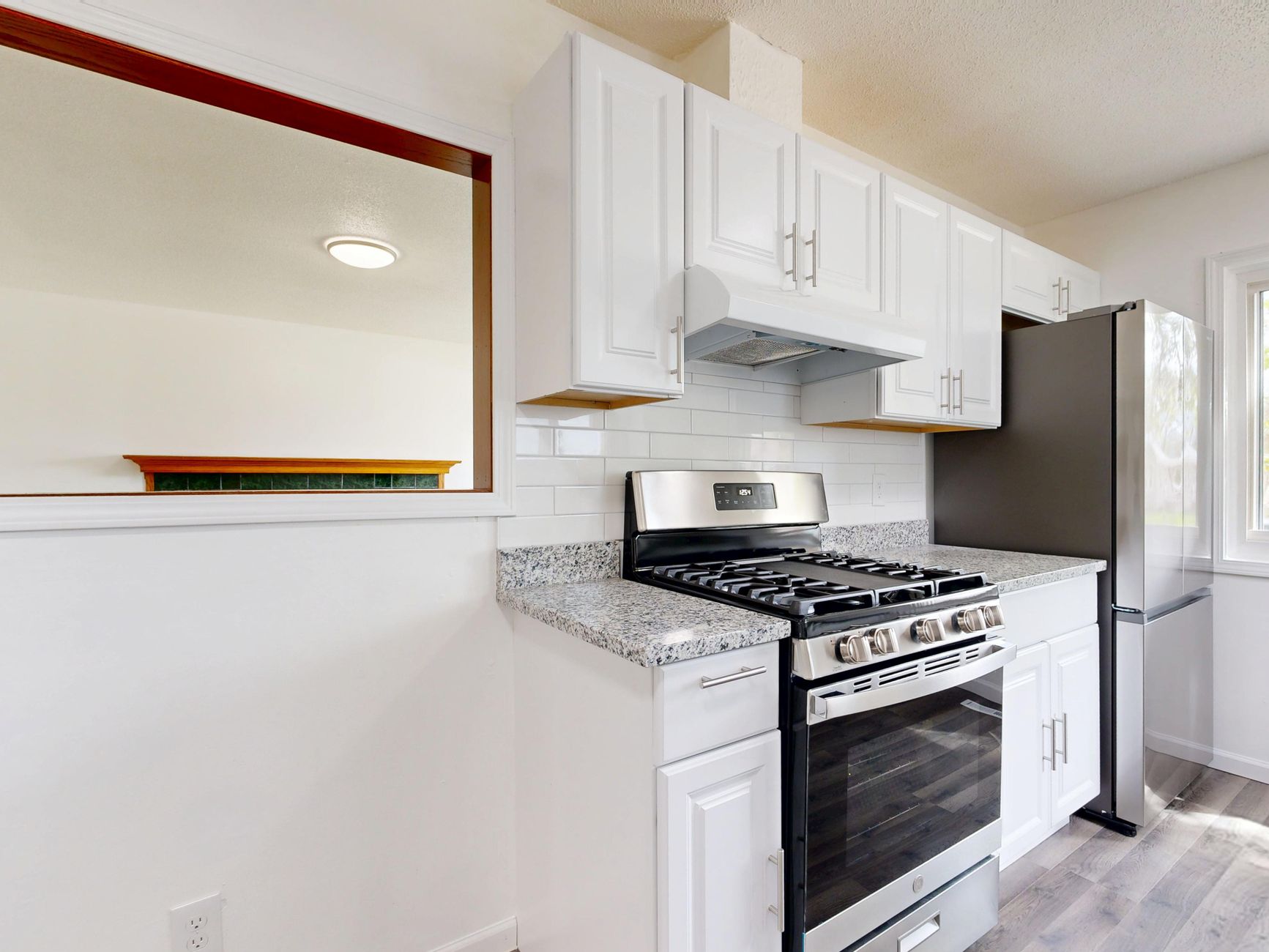
What’s in this guide
- Average cost breakdown by kitchen size
- Factors affecting your renovation cost
- Cost by renovation scope and quality
- Regional cost variations across Australia
- Common mistakes to avoid
- FAQ
Average cost breakdown by kitchen size
The average kitchen renovation cost Australia residents can expect varies significantly based on the size of the space and the level of finish. According to recent industry data from the Housing Industry Association, most Australian homeowners spend between $20,000 and $45,000 on a kitchen renovation in 2026.
For a small kitchen (under 10 square metres), budget renovations typically start around $15,000 to $25,000. This includes basic cabinetry, laminate benchtops, mid-range appliances, and standard splashback tiling. A standard renovation of the same space with better materials and finishes sits between $25,000 and $35,000, while premium finishes push costs to $40,000 or more.
Medium kitchens (10–15 square metres) represent the most common renovation size. A budget refresh runs $25,000 to $35,000, a mid-range renovation costs $35,000 to $55,000, and high-end projects easily exceed $60,000. These figures include cabinetry, benchtops, appliances, plumbing, electrical work, splashbacks, and flooring.
Large kitchens (over 15 square metres) or open-plan kitchen-dining spaces demand bigger budgets. Budget renovations start at $35,000, standard renovations range from $50,000 to $75,000, and luxury kitchens with premium appliances, stone benchtops, and custom cabinetry can cost $80,000 to $150,000 or more.
Factors affecting your renovation cost
Several variables dramatically influence the final price of your kitchen makeover. Cabinetry is typically the single largest expense, accounting for 30–40% of the total budget. Flat-pack cabinets from major retailers cost $3,000 to $8,000 for a small kitchen, while custom-built joinery from a local cabinetmaker ranges from $12,000 to $35,000 or more depending on materials and complexity.
Benchtop material choice has enormous cost implications. Laminate benchtops cost $150 to $400 per linear metre installed, making them the most affordable option. Engineered stone (like Caesarstone or Essastone) runs $500 to $900 per linear metre, while natural stone such as marble or granite ranges from $700 to $1,500 per linear metre. Timber benchtops sit somewhere in the middle at $400 to $800 per linear metre.
Appliances represent another major cost centre. A basic package including oven, cooktop, rangehood, and dishwasher costs $3,000 to $6,000. Mid-range brands like Bosch, Fisher & Paykel, or Westinghouse push this to $6,000 to $12,000, while premium European brands such as Miele, Gaggenau, or SMEG can exceed $20,000 for a full appliance suite.
Structural changes significantly inflate budgets. Removing a wall to create an open-plan layout requires engineering assessment and council approval, adding $3,000 to $8,000. Relocating plumbing or gas lines costs $1,500 to $4,000 depending on distance and complexity. If you’re considering other home improvements, our guide on interior painting costs provides helpful budgeting insights for complementary work.
Labour costs vary by region and tradesperson, but expect to allocate 30–40% of your total budget to installation and trades. A licensed kitchen installer charges $60 to $90 per hour, plumbers run $90 to $150 per hour, and electricians cost $80 to $130 per hour. Full project management by a kitchen design-and-build company typically adds 15–25% to material costs but can save significant time and stress.
Cost by renovation scope and quality
The average kitchen renovation cost Australia homeowners pay depends heavily on renovation scope. A cosmetic refresh—new paint, updated cabinet handles, fresh splashback tiles, and maybe new benchtops—can transform a tired kitchen for $8,000 to $15,000. This approach keeps the existing layout and cabinetry footprint but delivers a surprisingly fresh aesthetic.
A standard renovation replaces cabinetry, benchtops, appliances, and fixtures while maintaining the existing kitchen footprint. This is the sweet spot for most Australian homeowners, delivering modern functionality without structural costs. Expect to invest $25,000 to $50,000 for a quality result with mid-range materials and finishes.
Full gut-and-rebuild renovations strip everything back to bare walls, often involving layout changes, new plumbing and electrical, structural modifications, and premium finishes. These comprehensive projects start at $50,000 and frequently exceed $100,000 in major cities. However, they offer maximum design flexibility and the opportunity to completely reimagine your kitchen’s flow and functionality.
Quality tiers matter. Budget renovations rely on flat-pack cabinetry, laminate surfaces, and entry-level appliances. They’re functional and can look good with thoughtful design, but expect shorter lifespans and less customisation. Mid-range renovations balance cost and quality with semi-custom cabinetry, engineered stone benchtops, and reliable mid-tier appliances—this tier delivers excellent value for most families. Premium renovations feature custom joinery, natural stone, high-end appliances, and superior hardware, justified if you’re planning to stay in your home long-term or targeting the luxury market.
Regional cost variations across Australia
The average kitchen renovation cost Australia wide shows notable geographic variation. Sydney and Melbourne command the highest prices due to elevated labour costs and living expenses. A standard mid-range kitchen renovation in Sydney typically costs 15–25% more than the national average, pushing that $40,000 job to $46,000 to $50,000. If you’re in Melbourne, you might find our detailed Melbourne kitchen renovation cost guide helpful for local insights.
Brisbane and Perth sit closer to the national average, though Perth has seen upward pressure from mining-related labour shortages in recent years. Adelaide and Hobart generally offer the most competitive pricing, with some homeowners reporting savings of 10–15% compared to eastern capitals for equivalent materials and finishes.
Regional areas typically enjoy lower labour costs—sometimes 20–30% less than metro rates—but this advantage can be offset by higher material delivery charges and limited access to specialist tradespeople. The Australian Bureau of Statistics Producer Price Index data shows construction costs have risen approximately 18% since 2023, reflecting ongoing material and labour pressures across the sector.
Common mistakes to avoid
Many Australians underestimate the true average kitchen renovation cost Australia projects demand by failing to budget for hidden extras. Always add a 10–20% contingency for unexpected issues like concealed water damage, asbestos removal in older homes, or outdated wiring that needs upgrading to current Building Code of Australia standards.
Skimping on quality in the wrong places proves costly long-term. While budget cabinetry might save $5,000 upfront, poor-quality drawer runners and hinges fail within years. Conversely, splurging on statement lighting while settling for cheap tapware creates an unbalanced result. Invest in elements you touch daily—cabinet hardware, taps, benchtops—and economise on less critical items.
Neglecting the design phase leads to expensive changes mid-project. Spend time finalising your layout, appliance selections, and material choices before demolition starts. Changes once cabinetry is ordered or benchtops templated incur substantial fees and delays.
Ignoring workflow and ergonomics in favour of aesthetics creates a beautiful but impractical kitchen. The classic work triangle (sink, cooktop, fridge) still matters. Benchtop landing space beside appliances, adequate storage for your actual cookware, and proper task lighting make daily cooking genuinely enjoyable rather than frustrating.
Failing to obtain required permits risks fines and complications when selling. Most kitchen renovations involving plumbing, gas, or electrical work require permits and licensed tradespeople. Council approval is mandatory for structural changes. Cutting corners here creates genuine legal and safety risks.
FAQ
What is the average cost to renovate a kitchen in Australia in 2026?
The average kitchen renovation cost Australia homeowners pay in 2026 ranges from $20,000 to $45,000 for a standard mid-range renovation. Budget refreshes start around $15,000, while premium renovations with high-end finishes and appliances easily exceed $60,000 to $80,000. Size, materials, and scope determine where your project falls within this range.
How much should I budget for kitchen cabinets?
Cabinetry typically consumes 30–40% of your total kitchen budget. Flat-pack cabinets cost $3,000 to $8,000 for a small kitchen, semi-custom options run $8,000 to $18,000, and fully custom cabinetry from a local joiner ranges from $12,000 to $35,000 or more depending on materials, size, and complexity.
Are kitchen renovations worth the investment?
Kitchen renovations typically return 60–80% of their cost in added property value, according to industry estimates. Beyond resale value, a well-planned kitchen dramatically improves daily functionality and enjoyment of your home. The investment proves most worthwhile when you plan to stay in your home at least five years or when the existing kitchen is genuinely dysfunctional.
How long does a typical kitchen renovation take?
A straightforward kitchen renovation with no structural changes takes 4–6 weeks from demolition to completion. Projects involving layout changes, structural work, or custom cabinetry extend to 8–12 weeks. Planning, design, and material ordering should begin 3–4 months before your desired start date to avoid delays.
Can I reduce costs by doing some work myself?
DIY work can save money on demolition, painting, and simple tasks like installing cabinet handles or laying basic flooring. However, plumbing, gas fitting, and electrical work must be completed by licensed tradespeople to meet Building Code requirements and insurance obligations. Poor DIY work often costs more to rectify than hiring professionals initially, so honestly assess your skills before committing.
Planning your kitchen renovation with realistic budget expectations sets the foundation for a successful project. The average kitchen renovation cost Australia homeowners encounter in 2026 reflects quality materials, skilled labour, and the complexity of modern kitchen systems. Start by defining your must-haves versus nice-to-haves, obtain at least three detailed quotes from reputable kitchen companies, and remember that investing in quality execution pays dividends in daily enjoyment and long-term durability. Whether you’re after a budget refresh or a premium transformation, understanding these cost drivers helps you make informed decisions that balance your vision with financial reality.
Related guides
For more on Australian renovation costs, see: