Kitchen benchtop cost typically ranges from $200 per linear metre for laminate through to $1,400 or more for premium natural stone. Material choice drives the price, but durability, maintenance requirements and your kitchen's overall budget matter just as much. This guide compares laminate, natural stone, porcelain, sintered stone and timber options with indicative installed prices and the practical trade-offs of each.
Laminate Benchtops
Laminate remains the most affordable option, installed at around $200–$450 per linear metre depending on thickness, edge profile and substrate quality. The material is a high-pressure decorative layer bonded to particleboard or MDF, finished with a postformed or square edge. Patterns now include convincing stone and timber reproductions alongside solid colours.
Laminate suits budget-conscious renovations and rental properties. It resists staining when wiped promptly, tolerates moderate heat (though trivets are necessary near cooktops), and weighs less than stone, so existing cabinetry rarely needs reinforcement. Installation is straightforward; a joiner can template, cut and fix laminate in a day for a typical kitchen.
Durability is the compromise. Laminate chips and delaminates at edges if struck, and the particleboard core swells if water seeps through joins or cut-outs around sinks. Repairs are difficult—damage usually means replacement of the affected section. Expect a serviceable lifespan of eight to twelve years in a household kitchen before wear becomes obvious. If you're pricing a broader update, compare laminate's short-term savings against the total spend outlined in our kitchen renovation cost guide.
Natural Stone Benchtops
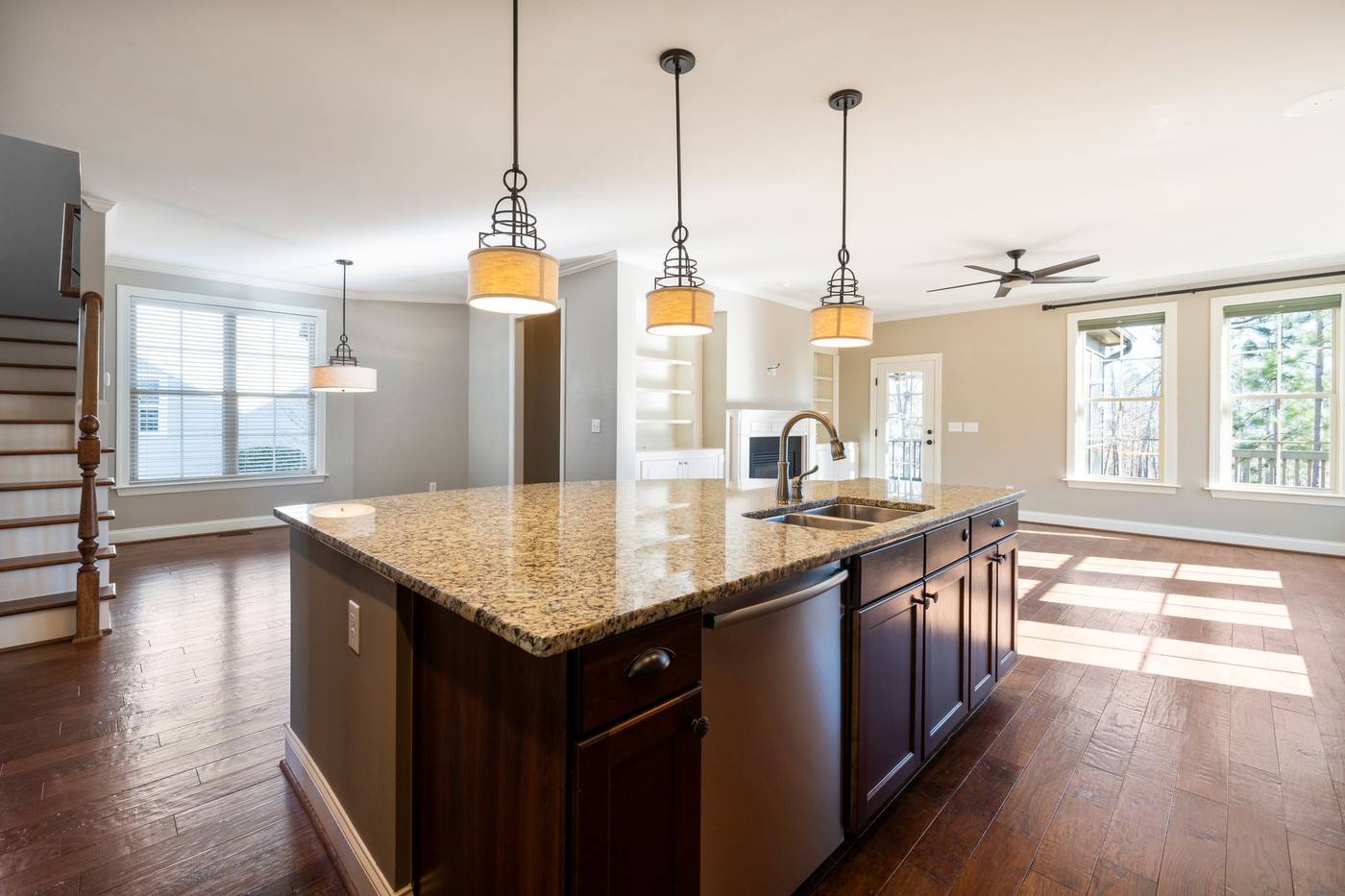
Natural stone—granite, marble, quartzite—ranges from $600 to $1,400 per linear metre installed, influenced by rarity, slab size and the complexity of templating and polishing. Each slab is unique, so you select the exact piece before fabrication. Stone fabricators measure on site, cut to template at their workshop, polish edges and return to install, typically across two visits separated by a week.
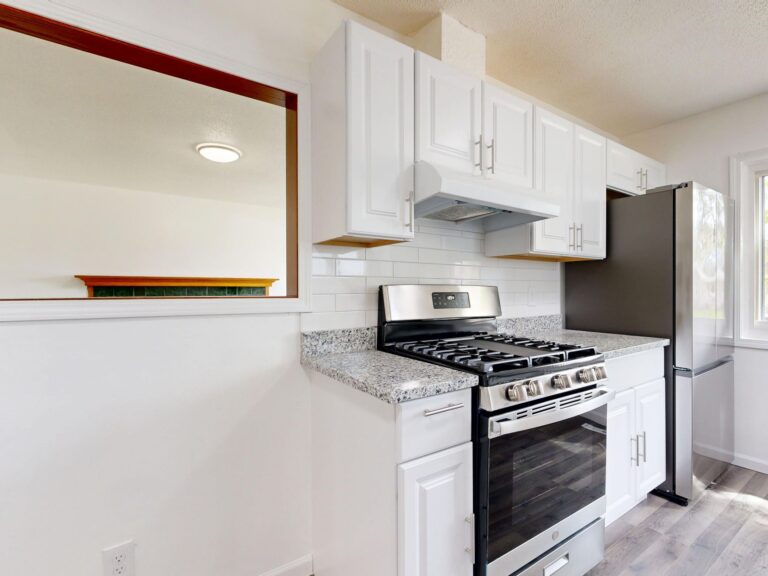
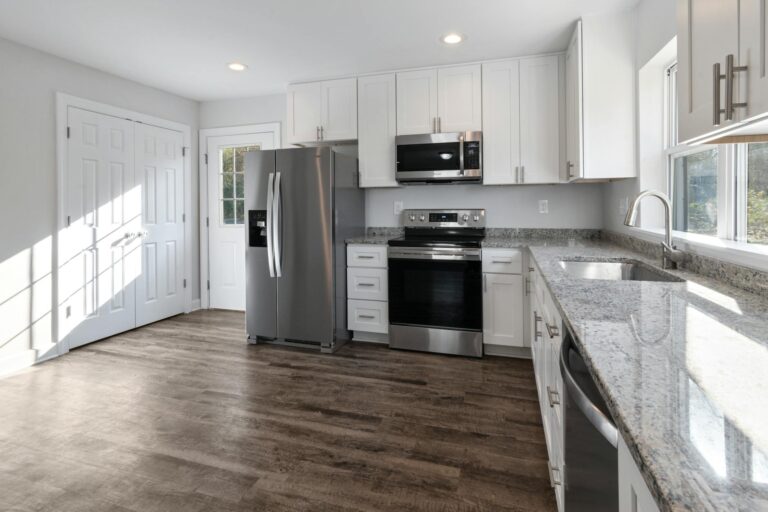
Granite is the workhorse: hard, heat-resistant and available in greys, blacks, creams and warm earth tones. It requires annual sealing to prevent staining from oils and acids, but daily cleaning is straightforward—warm water and pH-neutral detergent. Marble offers softer whites and veining but etches when acidic liquids (lemon juice, wine, vinegar) contact the surface; it suits statement islands more than working prep zones. Quartzite sits between the two in hardness and cost.
Natural stone lasts decades. Chips can be filled by a stone repairer, and resurfacing is possible if the polish dulls. Weight is significant—benchtops exceed 60 kg per square metre—so cabinets need solid construction and the floor structure may require assessment in older homes or upper-storey kitchens.
Porcelain and Sintered Stone Benchtops
Porcelain slabs and sintered stone (branded products such as Dekton and Neolith) cost $700–$1,200 per linear metre installed. These materials are manufactured under extreme pressure and heat, yielding a non-porous surface that resists scratching, heat, staining and UV fading. Large-format slabs—up to 3.2 × 1.6 metres—allow seamless runs and waterfall edges with minimal joins.
Porcelain is lighter than natural stone but still requires experienced handling; the material is brittle in thin sections, so edges and cut-outs demand careful fabrication. Once installed, maintenance is minimal: no sealing, and most household chemicals won't mark the surface. Patterns replicate marble, concrete and timber with photographic accuracy, though the uniformity across slabs can feel less organic than genuine stone.
Sintered stone shares similar properties but typically costs slightly more due to brand positioning and thicker standard profiles. Both materials suit high-use kitchens and outdoor alfresco benches where weathering and heat exposure would damage laminate or timber. Repairs are difficult—a deep chip usually means living with the damage or replacing the slab.
Timber Benchtops
Timber benchtops sit at $400–$900 per linear metre installed, depending on species, thickness and whether the product is solid or finger-jointed. Spotted gum, blackbutt, messmate and American oak are common; recycled hardwoods and plantation hoop pine offer character at varied price points. Timber arrives pre-oiled or ready for on-site finishing.
Timber brings warmth and works well in country, coastal and Scandi-inspired kitchens. It's repairable—scratches and dents sand out, and re-oiling restores the finish. Expect to oil timber benchtops every six to twelve months (more often near sinks) to maintain water resistance and colour. Without regular oiling, the surface dries, cracks and stains.
Heat tolerance is moderate. Trivets are essential; a hot pot left directly on oiled timber will leave a white or dark mark. Water damage occurs if spills aren't wiped promptly or if the seal around sinks fails, causing the timber to swell or blacken. Timber also moves slightly with humidity changes, so joins may open fractionally in dry seasons. For homeowners updating multiple elements, timber pairs naturally with the options discussed in our kitchen island cost guide.
Cost Factors Beyond Material Choice
Quoted kitchen benchtop cost covers more than the slab. Fabrication—templating, cutting, edge profiling and polishing—adds labour that varies with material hardness and kitchen layout. Simple square or pencil-round edges cost less than ogee, waterfall or mitred profiles. Cut-outs for cooktops, sinks and tapware each add $80–$150, and intricate shapes (curved breakfast bars, angled corners) raise templating and wastage costs.
Installation usually includes removal of the old benchtop and minor plumbing disconnection, but structural work (reinforcing cabinets for stone, levelling uneven bases) is quoted separately. Splashback material and tiling, new sinks and tapware, and any changes to cabinetry height or depth all layer onto the benchtop figure. Metropolitan suppliers in Sydney and Melbourne may charge slightly more than regional fabricators, reflecting overhead and demand.
Measure your kitchen in linear metres—around the perimeter and along any islands—to obtain comparable quotes. Most fabricators price per metre but apply a minimum charge (often equivalent to three metres) to cover templating and travel.
Durability and Maintenance Trade-Offs
Choosing a benchtop means balancing upfront kitchen benchtop cost against years of use. Laminate offers immediate savings but limited repairability and a defined lifespan. Natural stone, porcelain and sintered stone carry higher entry costs yet last decades with minimal intervention—granite and porcelain both outlive the typical cabinetry they sit on. Timber falls in the middle: moderate cost, renewable finish, but ongoing care.
Maintenance rhythms differ. Laminate needs only wiping; stone requires annual sealing (except porcelain and sintered products, which need none); timber demands regular oiling. Stain resistance ranks porcelain and sintered stone highest, followed by sealed granite, timber (when freshly oiled) and laminate. Heat resistance favours stone and sintered materials; laminate and timber both require trivets.
Consider how you cook. High-turnover family kitchens with frequent spills and hot pots suit porcelain, granite or laminate (accepted as sacrificial). Households that bake, entertain and maintain surfaces carefully will enjoy timber or marble. Renters and flippers lean toward laminate for speed and cost recovery.
Common Mistakes to Avoid
Underestimating the total installed cost is common. Advertised per-metre rates for stone and porcelain often exclude templating, cut-outs, edge profiles and splashback return ends. Always request an itemised quote that covers removal, fabrication, installation and waste disposal.
Skipping a site measure before ordering leads to wastage or shortfalls. Benchtop slabs have maximum dimensions, and layouts with multiple joins or angles may require an extra slab. Reputable fabricators template in person after cabinets are installed and level; avoid suppliers who quote from rough sketches alone.
Choosing material by appearance without considering care is another pitfall. Marble looks stunning but etches within weeks in a working kitchen unless owners commit to obsessive wiping. Timber photographed beautifully but greys and cracks if oiling lapses. Visit showrooms with samples that have been used, not pristine displays, and ask about real-world wear.
Ignoring cabinet load capacity before installing stone can crack carcasses or cause benchtops to sag. Stone weighs two to three times as much as laminate; older flat-pack cabinets may need bracing or replacement. A kitchen designer or carpenter can assess this before fabrication begins.
FAQ
What is the cheapest kitchen benchtop material in Australia?
Laminate is the most affordable, typically installed at $200–$450 per linear metre. Pricing depends on thickness, edge type and substrate; postformed edges and standard colours sit at the lower end, while thicker slabs with square edges and stone-look finishes approach $450.
How much does a natural stone benchtop cost per metre?
Natural stone benchtops—granite, marble, quartzite—range from $600 to $1,400 per linear metre installed. Granite in common colours (black, grey, cream) starts around $600, while rare marbles and large-format slabs reach $1,200 or more. Edge profiles, cut-outs and splashback returns add to the base rate.
Do timber benchtops need sealing?
Timber benchtops require regular oiling rather than sealing. Most installers apply an initial coat of food-safe oil; owners reapply every six to twelve months to maintain water resistance and prevent drying. Areas near sinks and cooktops need more frequent treatment. Neglected timber stains, cracks and swells when wet.
Is porcelain benchtop more expensive than granite?
Porcelain and granite overlap in price, both ranging from $600 to $1,200 per linear metre installed depending on finish and fabrication complexity. Porcelain offers zero maintenance (no sealing), while granite requires annual sealing. Porcelain slabs are lighter and non-porous; granite offers unique natural patterning.
Can you repair a chipped laminate benchtop?
Chipped laminate is difficult to repair invisibly. Small edge chips can be filled with colour-matched epoxy filler, but the repair remains visible and the particleboard core may still swell if exposed to moisture. Deep chips or delamination usually require replacement of the affected section or the entire benchtop.
Next Steps
Start by measuring your kitchen layout in linear metres and identifying which materials suit your cooking habits and maintenance willingness. Collect itemised quotes from at least two fabricators, ensuring each includes templating, cut-outs, edges and installation. Visit showrooms to see and touch samples, and ask for references from recent jobs using your preferred material. Once you've chosen, coordinate benchtop installation with cabinetry completion, plumbing rough-in and splashback tiling so each trade has access when needed.
Comparing quotes? Once you have 2-3 in hand, drop them into our free Renovation Quote Comparator to see totals side-by-side and catch the common red flags automatically.