You’re standing in your kitchen or bathroom, staring at tired old tiles or worn lino, and wondering if there’s an affordable, waterproof solution that won’t require a second mortgage. Vinyl sheet flooring might be the answer you’re looking for—a continuous, seamless surface that’s gained serious traction in Australian homes for its blend of practicality, style, and budget-friendly pricing.
What’s in this guide
- What is vinyl sheet flooring?
- Benefits of vinyl sheet flooring
- Cost of vinyl sheet flooring in Australia
- Installation process and considerations
- Design options and styles
- Common mistakes to avoid
- FAQ
What is vinyl sheet flooring?
Vinyl sheet flooring is a flexible, resilient flooring material sold in wide rolls—typically 2, 3, or 4 metres wide—that covers an entire room with minimal or no seams. Unlike vinyl planks or tiles, which are installed piece by piece, sheet vinyl is laid as one continuous surface, creating a watertight barrier that’s particularly well-suited to wet areas like bathrooms, laundries, and kitchens.
Modern vinyl sheet flooring consists of multiple layers: a wear layer on top for durability and stain resistance, a printed design layer (which can mimic timber, stone, or abstract patterns), a core layer for stability, and a backing layer that provides cushioning and adhesion. The thickness typically ranges from 2mm to 4mm, with commercial-grade options going even thicker.
In Australia, vinyl sheet flooring has been a staple in homes for decades, evolving from basic lino-style patterns to photorealistic timber and stone visuals that rival more expensive materials. It’s classified as a resilient flooring type, meaning it has some give underfoot, making it comfortable to stand on for extended periods.
Benefits of vinyl sheet flooring
The appeal of vinyl sheet flooring extends well beyond price. Here’s why it’s become a go-to choice for Australian renovators:
Waterproof performance: The seamless installation makes vinyl sheet flooring inherently waterproof when properly installed. There are no grout lines or plank joints where moisture can seep through, which is why builders and homeowners favour it for bathrooms, ensuites, and laundries. This same quality makes it ideal for homes in flood-prone areas or coastal regions where humidity is a constant challenge.
Easy maintenance: A quick sweep and damp mop is all you need. Vinyl sheet flooring doesn’t require sealing, polishing, or special cleaners. Spills sit on the surface rather than soaking in, and most modern wear layers resist staining from common household substances.
Comfort underfoot: The slight cushioning of sheet vinyl makes it warmer and softer than tile or stone. If you spend a lot of time cooking or doing laundry, that extra give can reduce fatigue on your feet, knees, and back.
Cost-effective: Vinyl sheet flooring delivers excellent value. Material costs are lower than timber, tile, or stone, and installation is generally faster, reducing labour expenses. For homeowners working within tight budgets, it’s one of the most affordable ways to completely transform a space.
Wide design range: From Scandinavian oak to Carrara marble looks, contemporary sheet vinyl offers designs that convincingly replicate high-end materials. You’ll find everything from bold geometric patterns to subtle, neutral tones that suit any aesthetic.
Durability: Quality vinyl sheet flooring can last 10 to 20 years with proper care. The wear layer protects against scratches, scuffs, and dents, making it suitable for busy family homes and even light commercial settings.
Cost of vinyl sheet flooring in Australia
Pricing for vinyl sheet flooring varies based on quality, brand, thickness, and design complexity. As of 2026, expect to pay:
- Budget range: $15–$30 per square metre (material only). These are entry-level products with thinner wear layers and simpler patterns, suitable for low-traffic areas or rental properties.
- Mid-range: $30–$60 per square metre. This bracket includes well-known brands with enhanced wear layers, realistic embossing, and better warranties. Most Australian homeowners land in this category.
- Premium: $60–$100+ per square metre. Top-tier sheet vinyl with advanced wear technology, designer collaborations, and photorealistic textures. These products often come with 15–20 year residential warranties.
Installation costs: Professional installation typically adds $20–$50 per square metre, depending on room complexity, substrate preparation, and your location. Metro areas like Sydney and Melbourne tend to sit at the higher end, while regional installers may charge less. If the existing floor needs levelling, removal of old flooring, or moisture barrier installation, budget an additional $10–$30 per square metre.
For a standard 10-square-metre bathroom, you’re looking at roughly $350–$600 in materials and $200–$500 in labour, bringing the total project cost to $550–$1,100. Compare that to ceramic tile at $1,200–$2,500 or timber at $1,500–$3,000 for the same space, and the value proposition becomes clear.
If you’re tackling a broader renovation and weighing up flooring options alongside other upgrades, our guide to hybrid flooring explores another resilient alternative worth considering, particularly for living areas where you want a more timber-like feel underfoot.
Installation process and considerations
Vinyl sheet flooring can be installed as a DIY project if you’re handy, but most homeowners opt for professional installation to ensure a seamless, wrinkle-free finish. Here’s what the process involves:
1. Subfloor preparation: The existing floor must be clean, dry, level, and structurally sound. Any bumps, dips, or cracks will telegraph through the vinyl, so installers often apply a levelling compound. Concrete slabs may need a moisture barrier, especially in ground-level or below-ground installations.
2. Measurement and cutting: The vinyl sheet is rolled out and trimmed to fit the room, leaving a small expansion gap around the perimeter (usually 5–10mm). In larger rooms, installers join two sheets using heat welding or adhesive seams, though single-sheet coverage is preferred wherever possible.
3. Adhesive application: Most installations use a full-spread adhesive applied to the subfloor with a notched trowel. The vinyl is then carefully rolled into place, working from the centre outward to eliminate air bubbles. Some products use a loose-lay or peel-and-stick method, which simplifies installation but may not suit high-moisture areas.
4. Trimming and finishing: Once the vinyl is adhered, edges are trimmed flush to walls, and skirting boards or transition strips are installed to cover the expansion gap. In bathrooms, silicone sealant is applied where the vinyl meets fixtures, showers, or bathtubs.
Drying time: Allow 24–48 hours for adhesive to cure before moving furniture back or exposing the floor to heavy foot traffic. Avoid wet mopping for at least 72 hours.
Compliance and standards: Check that your chosen product meets Australian standards for slip resistance (AS 4586) if installing in wet areas. The Australian Building Codes Board provides guidance on flooring requirements, particularly for bathrooms and accessible spaces.
Design options and styles
One of vinyl sheet flooring’s biggest strengths is design versatility. In 2026, you’ll find an enormous range of aesthetics to suit any renovation style:
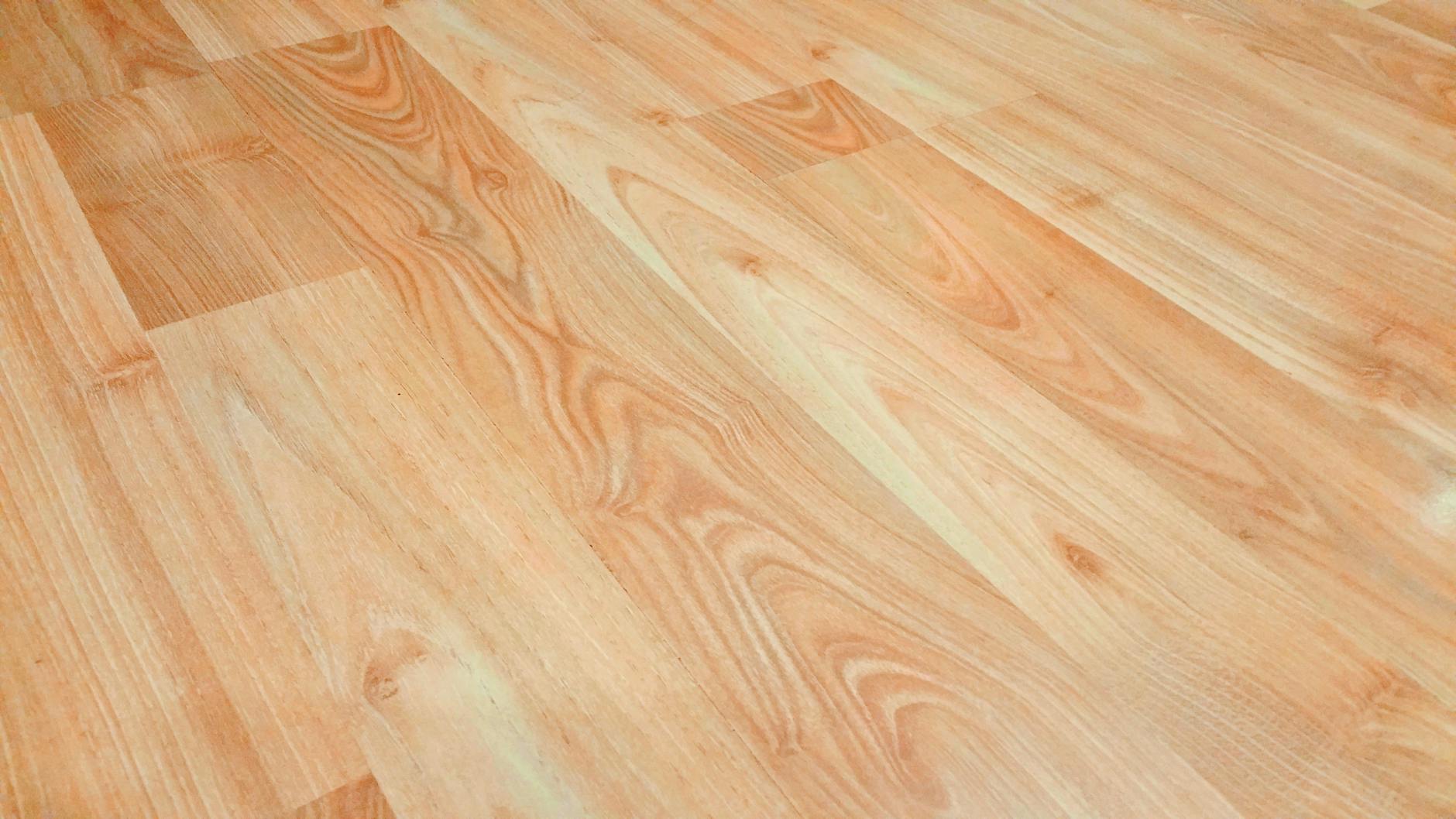
Timber looks: Photorealistic oak, spotted gum, blackbutt, and walnut patterns are perennially popular. Embossing adds texture that mimics grain, and some premium products even replicate saw marks and knots. These work beautifully in kitchens, living areas, and bedrooms where you want the warmth of timber without the maintenance.
Stone and tile effects: Marble, travertine, slate, and terrazzo visuals bring an upscale feel to bathrooms and laundries. The seamless surface means no grout lines to clean, while still delivering the look of natural stone.
Abstract and geometric: Bold patterns, metallic finishes, and contemporary designs are gaining traction, particularly in commercial fitouts and statement powder rooms. Think hexagons, chevrons, and Art Deco motifs.
Neutral and plain: Simple, single-colour vinyl in grey, beige, or white provides a clean canvas for minimalist or Scandinavian interiors. These are also practical for rentals where tenants may bring their own style.
For those exploring other vinyl formats, our article on rolling vinyl flooring covers portable and temporary options, while luxury vinyl tile and plank flooring dives into click-lock systems that might suit DIY enthusiasts looking for a different installation method.
Common mistakes to avoid
Even though vinyl sheet flooring is relatively forgiving, a few missteps can compromise the final result. Here’s what to watch out for:
Skipping subfloor prep: Vinyl is only as good as what’s underneath. Laying sheet vinyl over uneven, damp, or dirty subfloors leads to bubbles, wrinkles, and premature wear. Always invest time (or money) in proper preparation.
Ignoring acclimatisation: Vinyl should be stored in the room where it will be installed for at least 24 hours before laying. This allows the material to adjust to ambient temperature and humidity, reducing expansion or contraction issues later.
Using the wrong adhesive: Not all adhesives suit all vinyl types or substrates. Follow the manufacturer’s recommendations and use moisture-resistant adhesive in wet areas.
Cutting too tight: Vinyl needs a small expansion gap around the perimeter. If you trim it flush to walls, the material has nowhere to expand in hot weather, leading to buckling or lifting.
Overloading seams: In larger spaces requiring multiple sheets, poor seam placement or inadequate heat welding can create weak points where moisture seeps in. A professional installer will plan seam locations carefully and use proper heat-welding equipment.
Neglecting furniture pads: Dragging heavy furniture across vinyl can gouge or tear the surface. Always use felt pads under table and chair legs, and lift rather than slide appliances.
Choosing style over substance: A gorgeous design won’t compensate for a thin wear layer that scuffs in six months. Prioritise durability specifications—especially wear-layer thickness and warranty length—over aesthetics alone.
FAQ
How long does vinyl sheet flooring last?
Quality vinyl sheet flooring typically lasts 10 to 20 years, depending on the wear layer thickness, foot traffic, and maintenance. Budget products may show wear in 5–8 years, while premium options with heavy-duty wear layers can exceed 20 years in residential settings. Regular cleaning and using furniture protectors extend lifespan.
Can I install vinyl sheet flooring over existing tiles?
Yes, provided the tiles are level, firmly adhered, and free of cracks. Any loose tiles must be removed and the surface levelled. Grout lines should be filled with a levelling compound so they don’t telegraph through the vinyl. If tiles are uneven or the floor has significant lippage, it’s better to remove them entirely.
Is vinyl sheet flooring safe for asthma or allergy sufferers?
Modern vinyl sheet flooring is generally low-VOC and doesn’t harbour dust mites, mould, or allergens the way carpet can. Look for products with FloorScore or Green Label certifications, which indicate low emissions. Vinyl’s seamless surface also makes it easy to keep clean, reducing allergen build-up. According to Choice, vinyl flooring is considered a healthier option compared to old-style linoleum or certain laminates.
Can vinyl sheet flooring be laid in outdoor areas?
Standard residential vinyl sheet flooring is designed for indoor use and may fade, crack, or degrade under prolonged UV exposure and temperature extremes. Some commercial-grade vinyl products are rated for covered outdoor or semi-outdoor spaces, but always check the manufacturer’s specifications. For full outdoor areas, consider alternative materials like porcelain tile or composite decking.
How do I remove stains from vinyl sheet flooring?
Most stains can be removed with warm water and a pH-neutral cleaner. For tougher marks—like scuff marks, ink, or food stains—use a non-abrasive scrubbing pad and a diluted all-purpose cleaner or a paste of baking soda and water. Avoid harsh solvents, bleach, or abrasive cleaners, which can damage the wear layer. For persistent stains, manufacturers often provide specific cleaning guidance in their care manuals.
Do I need underlay for vinyl sheet flooring?
Unlike laminate or some luxury vinyl planks, sheet vinyl typically doesn’t require a separate underlay. The product usually has an integrated cushioning layer, and it’s adhered directly to the subfloor. However, if you’re installing over concrete and want extra warmth or sound insulation, some installers use a thin foam or cork underlay. Always check the manufacturer’s installation instructions, as adding underlay where it’s not recommended can void warranties.
Vinyl sheet flooring remains one of the smartest, most versatile choices for Australian homes in 2026. Whether you’re updating a rental bathroom on a shoestring budget or refreshing a family kitchen that sees daily chaos, the combination of waterproof performance, low maintenance, and contemporary design makes it a practical winner. Take time to choose the right product for your space, invest in proper installation, and you’ll enjoy a floor that looks great and works hard for years to come.
Related guides
For more on Australian renovation costs, see: