You’ve been dreaming about transforming your tired kitchen into a functional, modern space, but you’re not sure where to start when it comes to budgeting. Understanding the typical kitchen renovation cost in Australia helps you plan realistically and avoid nasty financial surprises halfway through your project. With kitchen renovations ranging from modest updates to complete overhauls, knowing what to expect means you can make informed decisions that align with your budget and vision.
What’s in this guide
- Typical kitchen renovation cost breakdown by scope
- Key factors that affect renovation pricing
- Budget, mid-range, and premium renovations explained
- Hidden costs you need to budget for
- Common mistakes to avoid
- FAQ
Typical kitchen renovation cost breakdown by scope
The typical kitchen renovation cost in Australia in 2026 sits between $18,000 and $45,000 for a standard-sized kitchen, though this varies significantly based on the scope of work. A cosmetic refresh involving new cabinet doors, benchtop replacement, and updated splashback might cost $12,000–$20,000, while a full structural renovation with layout changes, new plumbing, and high-end appliances can easily exceed $60,000.
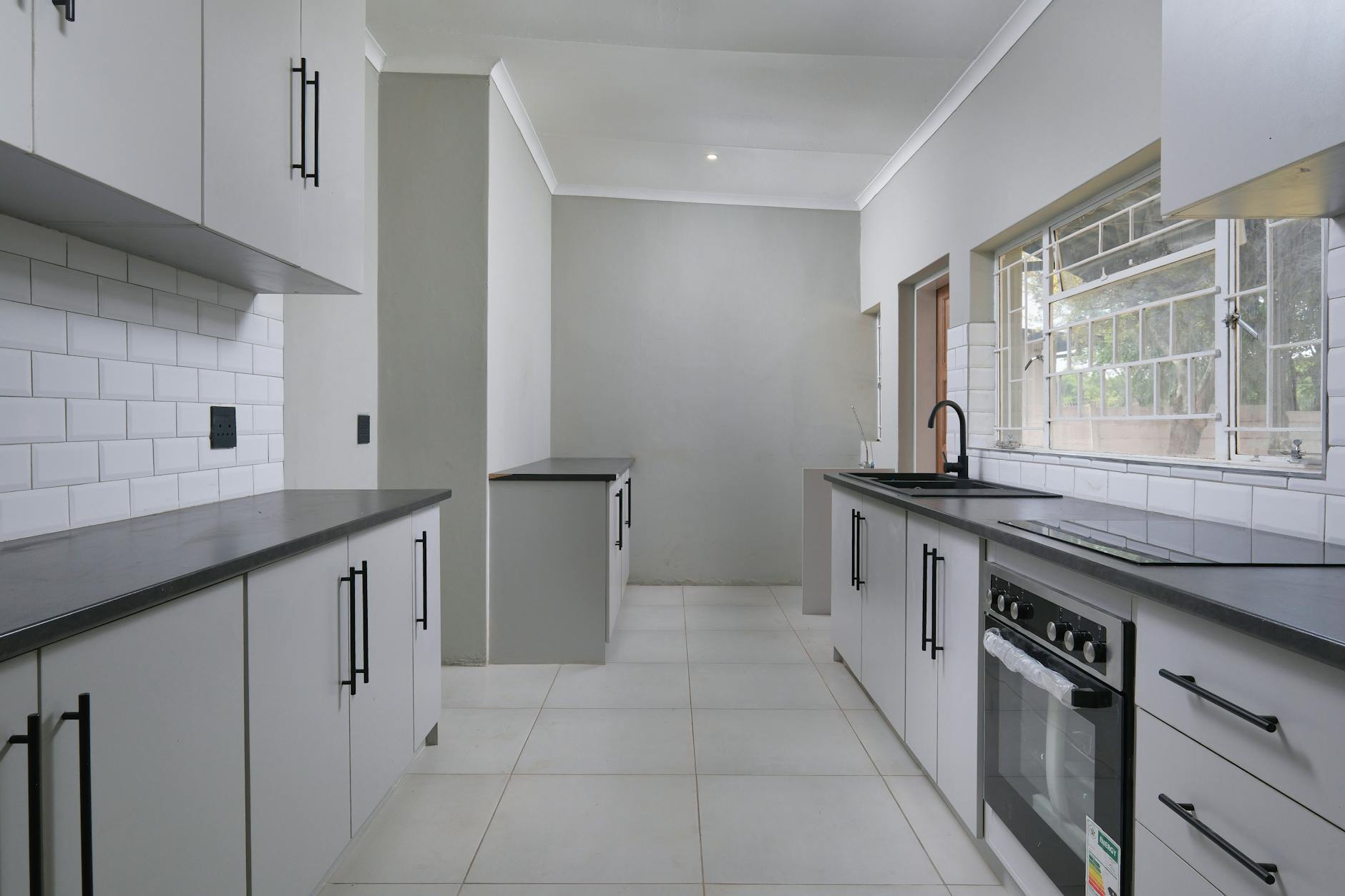
For a basic kitchen renovation (often called a “facelift”), expect to spend around $15,000–$22,000. This typically includes cabinet resurfacing or repainting, laminate benchtops, basic tile splashback, budget-friendly tapware, and keeping the existing layout intact. You’re essentially refreshing surfaces without moving major fixtures or appliances.
A mid-range renovation—the most common choice for Australian homeowners—usually costs between $25,000 and $45,000. This level includes new cabinetry (flat-pack or semi-custom), stone or engineered stone benchtops, quality appliances (dishwasher, oven, cooktop), undermount sink, new flooring, and possibly minor plumbing or electrical adjustments. Many homeowners find this sweet spot delivers excellent value without breaking the bank.
Premium kitchen renovations start around $50,000 and can reach $80,000 or more for larger spaces. These projects feature custom cabinetry, luxury stone benchtops (marble, granite), designer appliances, butler’s pantries, island benches with waterfall edges, integrated appliances, premium lighting, and often involve structural changes like removing walls or relocating plumbing.
According to the Australian Bureau of Statistics, construction material costs have risen approximately 18% since 2023, which directly impacts renovation budgets. Labour costs have also increased, with qualified tradespeople now charging $80–$120 per hour depending on location and specialisation.
Key factors that affect renovation pricing
Kitchen size plays an obvious but critical role in determining your typical kitchen renovation cost. A compact 8-square-metre kitchen will naturally cost less than a sprawling 15-square-metre space. Cabinetry is usually priced per linear metre ($800–$2,500/m for materials and installation), so doubling your cabinet run significantly increases the bill.
Your choice of materials creates the widest pricing variance. Laminate benchtops cost $200–$500 per square metre installed, while natural stone (granite, marble) runs $600–$1,200 per square metre. Similarly, flat-pack cabinets from major retailers might cost $3,000–$8,000 for an average kitchen, whereas custom joinery can easily hit $15,000–$30,000.
Location affects both material and labour costs. Metropolitan areas like Sydney and Melbourne typically see prices 15–25% higher than regional centres. Tradesperson availability also varies—in booming construction markets, you might wait longer and pay premium rates for skilled cabinet makers, plumbers, and electricians.
Layout changes dramatically increase costs. Moving your sink location requires rerouting plumbing (potentially $1,500–$3,500), while relocating your cooktop means new gas lines or electrical circuits ($800–$2,000). Removing a wall to create an open-plan layout adds structural engineering fees, building permits, and construction costs that can push your budget up by $8,000–$15,000.
Appliance selection creates another major variable. A basic package (cooktop, oven, rangehood, dishwasher) from mid-tier brands costs $3,000–$6,000, while premium European appliances with advanced features can reach $15,000–$25,000 for the same package. If you’re working within a tight budget, our guide on low-cost kitchen renovation strategies offers practical ways to maximise value.
Budget, mid-range, and premium renovations explained
Budget renovations (under $20,000) focus on cosmetic improvements with minimal structural work. You’ll typically retain your existing layout, reface or repaint cabinets, install laminate benchtops, use ceramic or basic subway tiles for splashbacks, and choose entry-level appliances. The typical kitchen renovation cost at this level delivers a fresh appearance without the expense of gutting the entire space.
This approach works well for investment properties, rental updates, or homeowners planning to sell within a few years. You achieve a clean, updated look that appeals to buyers without over-capitalising. DIY elements like painting cabinet doors or installing splashback tiles can reduce costs further, though plumbing and electrical work always requires licensed professionals.
Mid-range renovations ($25,000–$45,000) represent the Australian sweet spot. You get new cabinetry (usually polyurethane or two-pack painted finishes), engineered stone benchtops, quality stainless steel appliances, undermount sinks, soft-close drawers, and professional installation throughout. The typical kitchen renovation cost at this level allows for some layout tweaks—perhaps adding a small island or repositioning the fridge.
This tier delivers excellent durability and aesthetics. Engineered stone benchtops last decades with minimal maintenance, quality cabinet hardware withstands daily use, and reputable appliance brands offer solid warranties. Many homeowners find this investment pays off through improved daily functionality and strong resale value. For detailed cost comparisons, check our comprehensive kitchen renovation cost guide.
Premium renovations (over $50,000) allow complete creative freedom. Custom cabinetry built to exact specifications, luxury natural stone benchtops, integrated appliances that disappear behind cabinet panels, designer lighting systems, and high-end tapware define this category. Structural changes like vaulted ceilings, bi-fold servery windows, or relocating entire walls become viable options.
The typical kitchen renovation cost at the premium level reflects not just materials but also design fees, project management, and master craftspeople. You might work with an interior designer ($3,000–$8,000 for design services), employ a dedicated cabinet maker, and select rare stone slabs that require special handling. The result is a truly bespoke kitchen tailored to your exact lifestyle and aesthetic preferences.
Hidden costs you need to budget for
Permit and compliance costs catch many homeowners off-guard. Any structural work, plumbing relocation, or electrical upgrades requires council approval in most Australian jurisdictions. Building permits cost $500–$2,000 depending on scope and location, while private building surveyor fees add another $800–$1,500. The Australian Building Codes Board sets national standards, but local councils enforce specific requirements.
Demolition and disposal fees often slip under the radar when calculating typical kitchen renovation cost. Removing old cabinets, benchtops, and appliances generates substantial waste. Skip bin hire costs $300–$600 depending on size and duration, while hazardous material removal (asbestos in older homes) requires licensed professionals at $1,500–$4,000.
Temporary kitchen setup during renovation affects your daily routine and budget. You’ll need alternative cooking arrangements for 2–6 weeks. Some families set up a basic kitchen in their garage or laundry ($200–$500 for temporary benchtop, microwave, and portable cooktop), while others factor in increased takeaway expenses ($500–$1,500 for the renovation period).
Structural surprises emerge once walls open up. Outdated wiring that needs replacement ($1,200–$3,000), rotten floor joists requiring repair ($800–$2,500), or plumbing issues behind walls ($600–$2,000) can appear without warning. Smart budgeting includes a 10–15% contingency fund specifically for these discoveries—on a $35,000 project, that’s $3,500–$5,250 in reserve.
Finishing touches add up quickly. New flooring throughout the kitchen and adjoining areas might cost $2,000–$5,000, painting surrounding rooms to match the new aesthetic adds $800–$2,000, and updating light fittings beyond basic downlights runs $500–$2,000. Kitchen stools for a new breakfast bar ($400–$1,200), window treatments ($300–$800), and decorative hardware upgrades ($200–$600) complete the transformation but require budget allocation.
Common mistakes to avoid
Underestimating the typical kitchen renovation cost ranks as the most common planning error. Homeowners often budget for materials and major labour but forget permits, demolition, temporary arrangements, and finishing touches. This leads to either incomplete projects or blown budgets. Always add 15–20% to your calculated costs as a realistic buffer.
Choosing materials based solely on appearance without considering durability creates long-term regret. That stunning marble benchtop might look perfect in the showroom, but it stains easily and requires sealing every 6–12 months. Similarly, ultra-trendy cabinet colours or handle styles can date quickly, affecting resale value. Balance aesthetic appeal with practical longevity.
Ignoring the work triangle (the relationship between sink, stove, and fridge) compromises kitchen functionality. Even in renovations with layout constraints, optimising this triangle improves workflow dramatically. A beautiful kitchen that’s frustrating to cook in represents poor value regardless of how much you spend.
Skipping multiple quotes or hiring based on price alone often backfires. The cheapest quote might exclude crucial elements, use inferior materials, or come from inexperienced tradespeople. Obtain at least three detailed quotes, check references, verify licensing and insurance, and ensure quotes itemise materials, labour, and timeline. Quality workmanship protects your investment.
Over-capitalising for your suburb creates financial waste. Installing a $70,000 designer kitchen in an area where homes sell for $500,000 rarely returns that investment. Research comparable properties, consult local real estate agents about appropriate renovation levels, and align your typical kitchen renovation cost with realistic value addition for your location.
Neglecting lighting design leaves even premium kitchens feeling flat. Relying solely on overhead downlights creates shadows on work surfaces and fails to highlight design features. Layer lighting with task lighting under cabinets ($400–$1,200), pendant lights over islands ($300–$1,500), and feature lighting in glass cabinets ($200–$600) to create ambiance and functionality.
FAQ
What is the typical kitchen renovation cost for a small kitchen in Australia?
A small kitchen (6–8 square metres) typically costs $12,000–$28,000 depending on finish level. Basic cosmetic updates start around $12,000–$18,000, while a complete renovation with new cabinets, stone benchtops, and quality appliances reaches $22,000–$28,000. Compact spaces use less material but still require full tradesperson time for plumbing, electrical, and installation work.
How long does a typical kitchen renovation take to complete?
Most kitchen renovations take 4–8 weeks from demolition to completion. Simple cosmetic updates might finish in 2–3 weeks, while complex renovations involving structural changes, custom cabinetry, and extensive plumbing/electrical work can extend to 10–12 weeks. Lead times for custom cabinets and stone benchtops (often 3–6 weeks) affect the overall timeline significantly.
Can I reduce my kitchen renovation cost by doing some work myself?
DIY contributions can save 15–30% on typical kitchen renovation costs, but limit yourself to appropriate tasks. Painting cabinet doors, removing old fixtures, demolition (under guidance), and installing splashback tiles are suitable for capable DIYers. Always hire licensed professionals for plumbing, gas fitting, and electrical work—it’s legally required and ensures safety and compliance with Australian building codes.
What’s the best way to finance a kitchen renovation?
Options include using savings (avoiding interest charges), redrawing from your mortgage (typically 3–6% interest), personal loans (6–12% interest), or specialty renovation loans. Some homeowners access equity through refinancing. Avoid high-interest credit cards for large amounts. Whatever option you choose, borrow only what you can comfortably repay and factor loan repayments into your budget calculations.
How much value does a kitchen renovation add to my home?
Well-executed kitchen renovations typically return 60–80% of costs in added home value, though this varies by location and existing home value. A $35,000 renovation might add $21,000–$28,000 to your property value. Mid-range renovations generally offer the best return on investment, while budget updates provide less percentage return and ultra-premium kitchens rarely recoup full costs unless the home is already in the luxury market.
Understanding the typical kitchen renovation cost empowers you to plan confidently and make informed choices throughout your project. Whether you’re refreshing an outdated space on a modest budget or creating a chef’s dream kitchen, realistic budgeting combined with careful material selection and qualified tradespeople delivers results you’ll enjoy for years. Start by defining your must-haves versus nice-to-haves, obtain multiple detailed quotes, and remember that thoughtful planning now prevents expensive changes mid-project.
Related guides
For more on Australian renovation costs, see: