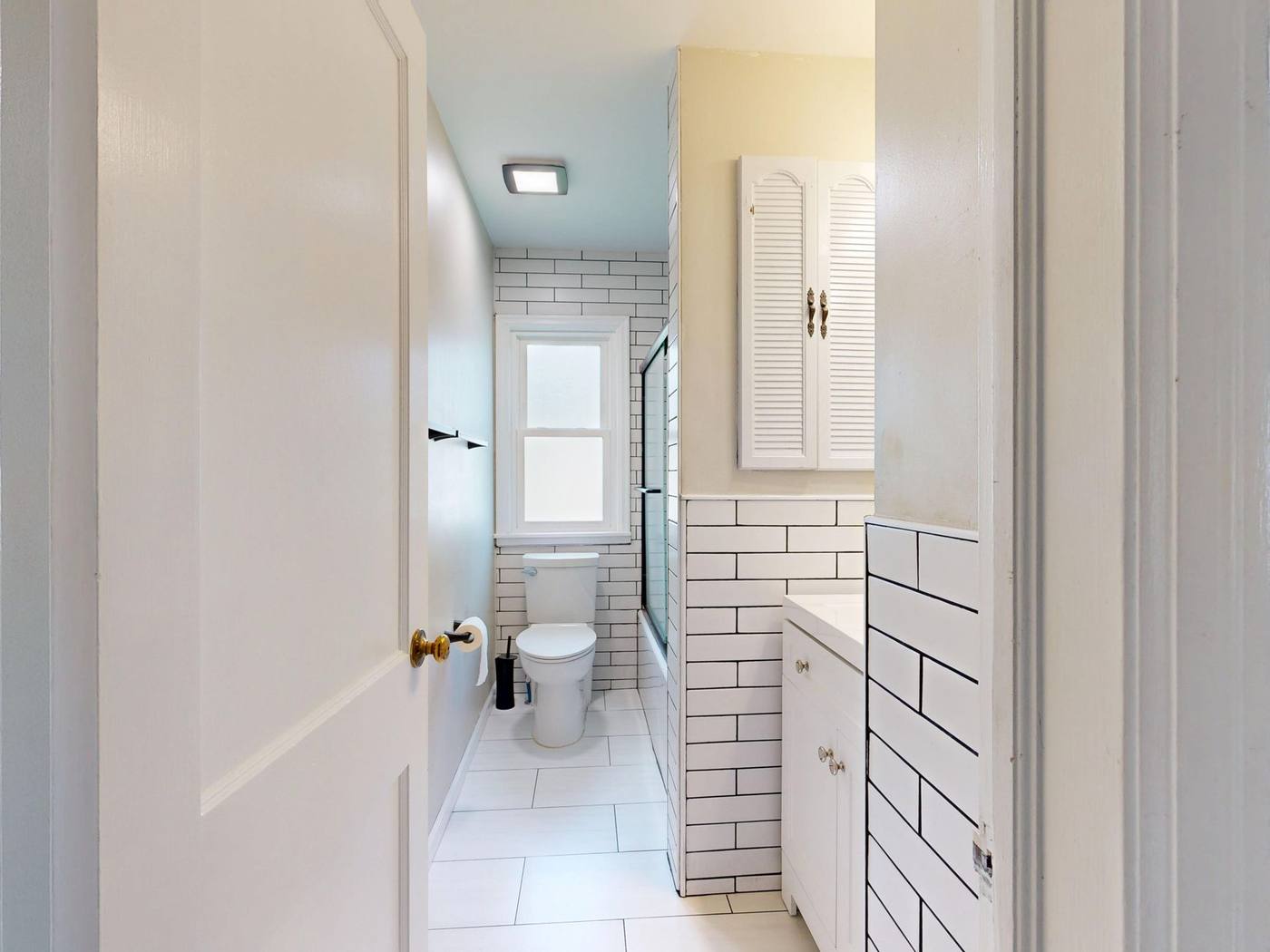
A small bathroom renovation in Australia typically costs between $8,000 and $22,000 for spaces under 4–5 square metres, with most homeowners spending around $12,000–$16,000. The final figure depends on fixture quality, waterproofing requirements, whether plumbing is moved, and the standard of tiles and fittings you choose. This guide breaks down where costs accumulate in compact bathrooms and how to make informed trade-offs without compromising durability or safety.
What counts as a small bathroom
For costing purposes, a small bathroom is generally under 4–5 square metres. This includes most ensuites, powder rooms and older-home main bathrooms in post-war workers' cottages or 1970s units. Even within this footprint you can fit a shower, vanity, toilet and sometimes a narrow bath, but layout becomes critical. Trades refer to these as "tight" jobs because every millimetre of wall, waste run and fixing space matters, which can paradoxically inflate labour time despite the smaller floor area.
Cost breakdown by element
Understanding where each dollar goes helps you prioritise spending. Here's a typical allocation for a small bathroom renovation:
- Strip-out and preparation: $800–$1,800, including removal of old tiles, vanity, shower screen and safe disposal of asbestos sheeting if your home was built before 1987.
- Waterproofing and structural: $1,500–$3,000. Membrane application, substrate repair and tiling-substrate prep are non-negotiable; corners and junctions require extra care in compact spaces.
- Plumbing (without relocation): $1,200–$2,500 for disconnection, new taps, waste traps, shower mixer and reconnection. Add $1,500–$3,500 if you shift the shower, toilet or vanity, because waste pipes and supply lines must be rerouted inside walls or under floors.
- Electrical: $600–$1,200 for downlights, an exhaust fan and power outlets. Small bathrooms often require heat lamps or ceiling heaters in cooler climates, which adds another $200–$400 installed.
- Tiling: $1,800–$4,500 depending on tile choice and layout. Wall-to-ceiling tiling in a shower recess is standard; floor tiles cost $40–$120 per square metre supplied and laid, while premium large-format or mosaic tiles push the upper range.
- Fixtures and fittings: $2,000–$5,000 for a vanity, toilet, showerhead, mixer, tapware and accessories. Budget-conscious homeowners often choose a wall-hung vanity (600–750 mm wide) and a back-to-wall toilet to save floor space.
- Cabinetry and mirrors: $400–$1,200. A mirrored shaving cabinet above the vanity doubles as storage and makes tight spaces feel larger.
- Shower screen or enclosure: $400–$1,400. Semi-frameless screens suit most budgets; frameless glass costs more but looks cleaner in compact layouts.
- Paint, trim and finishing: $300–$700.
Even in a 3-square-metre ensuite, waterproofing and tiling labour remain roughly constant because the same membrane schedule applies and cutting tiles around tight corners takes as long—or longer—than laying them across open floor. Trades sometimes quote small bathrooms at a higher per-square-metre rate to reflect access difficulty and waste inefficiency when cutting materials.
Space-saving fixture choices that affect cost
Compact fixtures help you use every centimetre, but they're not always cheaper. A wall-hung toilet with an in-wall cistern costs $350–$900 for the suite plus $400–$800 for concealed-frame installation, compared to $180–$500 for a standard close-coupled toilet installed on the floor. The trade-off is visual: removing the cistern footprint opens up the room and simplifies cleaning.
Corner vanities (typically 600–900 mm across the diagonal) suit awkward layouts but are usually custom or semi-custom, adding $200–$600 over a standard wall-hung unit. Sliding shower screens cost $450–$1,000 and save the swing clearance of a hinged door, useful when the toilet sits close to the shower entry.
Shower-over-bath combinations remain popular in older homes where families want flexibility. A 1500 mm or 1400 mm bath fits most small bathrooms, costing $300–$1,200 for the tub plus $350–$800 for screens and $500–$1,000 for tiling the hob and three walls. Removing a bath to install a level-access shower requires floor lowering or a waste pump if fall is inadequate, which can add $800–$2,000 to plumbing costs.
Where cost still adds up despite small footprint
Three factors inflate the small bathroom renovation cost beyond simple floor-area maths:
Access and staging. Tight spaces mean tradespeople spend more time manoeuvring sheets of villaboard, mixing and applying membrane in confined corners, and cutting tiles on-site because pre-cut pieces may not fit once walls are checked for square. Labour efficiency drops, so plumbers and tilers often quote small bathrooms as full-day or multi-day jobs even though square metreage suggests otherwise.
Proportionally high fixed costs. Whether your bathroom is 3 or 10 square metres, you still pay for one toilet, one vanity, one mixer, one exhaust fan and one inspection by a certifier if structural work or waterproofing requires sign-off. These fixed-item costs form a larger percentage of the total in a small space, leaving less budget for tile upgrades or luxury fixtures.
Compliance overhead. Waterproofing membrane must extend 100 mm beyond the shower area, wrap external corners and cover the entire floor in wet areas. In a compact bathroom the membrane schedule often covers nearly as much wall area as a mid-sized bathroom, and the same Building Code of Australia requirements for fall, waste-trap access and ventilation apply regardless of size. You cannot cut corners on compliance to save money, so the base cost floor remains relatively high.
For context, renovating a bathroom can improve resale appeal and functionality, but in small spaces the cost-per-square-metre return relies more on finish quality than on adding floor area.
DIY and trade-only work
Demolition, painting and sometimes vinyl or hybrid flooring installation are within reach of capable DIYers, potentially saving $1,200–$2,500 across a small bathroom renovation. Waterproofing, plumbing and electrical work must be performed by licensed tradespeople and tested or certified. Tiling is legally DIY-able but mistakes—especially around waterproofing junctions—can lead to leaks that cost far more to repair than professional installation would have cost in the first place.
If you're comfortable laying flooring, vinyl flooring or luxury vinyl plank offer water-resistant, warm-underfoot alternatives to ceramic tile in powder rooms or ensuites where full wet-area tiling isn't required on the floor. Expect to pay $25–$65 per square metre for quality click-lock waterproof LVP, which you can install over a sound substrate in a weekend.
Common mistakes to avoid
Choosing fixtures before finalising the layout leads to expensive rework. Measure the space with a plumber present, confirm waste and supply locations, then select a toilet, vanity and shower base that actually fit with code-compliant clearances. The Building Code requires at least 900 mm clear space in front of a toilet; squeezing in an oversized vanity can push you out of compliance.
Skipping proper ventilation to save $400 on an exhaust fan invites mould and paint failure. Small bathrooms trap moisture faster than larger ones; an extract fan ducted to the exterior and rated for the room volume is not optional in Australian climates.
Overlooking tile wastage inflates costs. Small bathrooms often involve more cuts and corners, so order 10–15 per cent extra tile. Running short mid-job means waiting days for re-supply and paying your tiler to return, which quickly exceeds the cost of a few spare boxes.
Attempting to move plumbing without checking slab or floor-joist constraints can derail a budget. If your bathroom sits on a concrete slab and you want to shift the toilet, cutting and re-pouring to reposition the waste pipe may cost $2,000–$4,000—sometimes more than the rest of the plumbing combined. Always get a plumber's site assessment before committing to a new layout.
Choosing the cheapest quote without checking licensing and insurance is risky. Waterproofing failures emerge months or years later, by which time an unlicensed renovator may be unreachable. Verify every trade holds current licences (plumber, electrician, waterproofer/tiler) and ask for certificates of currency for public-liability and work-cover insurance.
FAQ
Can I renovate a small bathroom for under $8,000?
Yes, if you retain the existing layout, do your own demolition and painting, choose builder-grade tiles and fixtures, and use a wall-mounted vanity and standard close-coupled toilet. Expect basic finishes and minimal design customisation. Any plumbing relocation or structural repair will push you over that threshold.
How long does a small bathroom renovation take?
Two to four weeks from strip-out to final fixture installation, assuming no structural surprises and materials arrive on schedule. Waterproofing membrane cure times and tiling set-and-grout schedules are the same regardless of room size, so a small bathroom rarely finishes in under ten working days once trades are sequenced properly.
Do I need council approval for a small bathroom renovation?
Minor renovations that do not alter the building envelope, add floor area or change structural elements typically require only a plumbing permit and electrical compliance certificate, not full development approval. If you remove or modify a load-bearing wall, add new windows or enclose part of a verandah, consult your local council. Waterproofing in a bathroom must comply with AS 3740, and your certifier or building surveyor may inspect before tiling proceeds.
What's the most cost-effective way to make a small bathroom feel larger?
Large-format floor tiles (600 × 600 mm or 300 × 600 mm laid lengthways) with minimal grout lines, a wall-hung vanity that exposes floor beneath, and a frameless or semi-frameless glass shower screen all create visual continuity. A mirrored shaving cabinet, recessed shelving and consistent light-coloured tiles reduce clutter. These choices cost little or no more than their alternatives and deliver better perceived space than expensive structural changes.
Should I keep a bath in a small bathroom?
It depends on household needs and resale context. Families with young children or homeowners in established suburbs often prefer at least one bath in the house. If this is the only bathroom, a compact 1400–1500 mm bath with shower-over keeps options open. If it's an ensuite and the main bathroom has a bath, converting to a walk-in shower frees floor space and reduces fall risk, which appeals to older buyers and improves accessibility.
Planning a small bathroom renovation means balancing fixture quality, compliance and layout efficiency within a tight budget and footprint. Lock in your layout early, prioritise waterproofing and ventilation, and choose fittings that suit both the space and your household's needs. With careful sequencing and realistic cost expectations, even a compact bathroom can deliver years of trouble-free use and solid return on investment.
Comparing quotes? Once you have 2-3 in hand, drop them into our free Renovation Quote Comparator to see totals side-by-side and catch the common red flags automatically.