You’ve spent another weekend squeezed onto a too-small patio, juggling plates while half your guests hover in the lounge because there’s not enough covered outdoor space. An alfresco extension promises the perfect balance: sheltered entertaining that feels like you’re still outdoors. But before you draw up Pinterest boards, you need the real numbers. So what does an alfresco extension cost Australia homeowners in 2026?
What’s in this guide
- What is an alfresco extension?
- Alfresco extension cost breakdown
- Roofing options and prices
- Flooring choices for alfresco areas
- Glazing and screening
- Permits and council approvals
- Common mistakes to avoid
- FAQ
What is an alfresco extension?
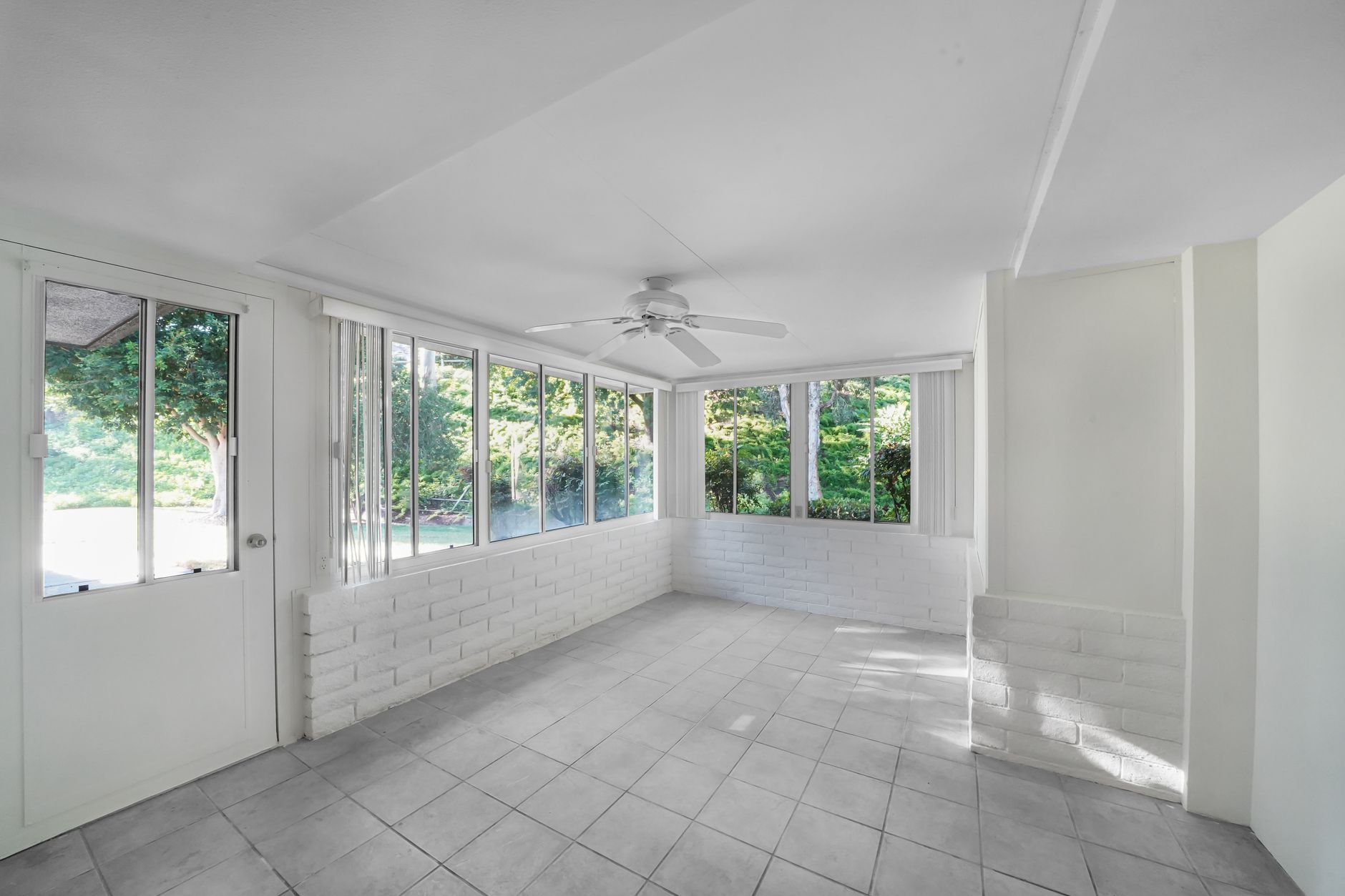
An alfresco extension is a covered outdoor area attached to your home, designed specifically for dining and entertaining. Unlike a basic patio or deck, it typically features a permanent roof, quality flooring, and sometimes side screening or glazing to manage wind, rain, and insects. Think of it as a hybrid between an open deck and a fully enclosed room—it extends your living space while keeping that outdoor feel.
Most Australian alfresco builds range from 15 to 40 square metres. The structure usually shares at least one wall with the main house, which simplifies roof tie-in and keeps costs lower than a freestanding pavilion. Popular features include ceiling fans, outdoor power points, built-in barbecue stations, and retractable blinds or café-style bistro screens.
The style depends on your home’s architecture. Queenslander homes often opt for timber-lined ceilings and classic hipped roofs, while modern builds lean toward flat or skillion roofs with aluminium battens and sleek glass balustrades. Regardless of design, a well-executed alfresco adds genuine appeal at resale and becomes the most-used space in your home almost overnight.
Alfresco extension cost breakdown
The alfresco extension cost Australia homeowners encounter in 2026 averages between $15,000 and $45,000 for a mid-range project. Budget builds with basic materials and DIY elements can start around $10,000, while high-end designs with premium glazing, integrated outdoor kitchens, and designer tiles easily exceed $60,000.
Here’s how the typical budget divides:
- Roofing and framework: $8,000–$20,000 (40–50% of total cost)
- Flooring: $2,500–$8,000 (15–20%)
- Glazing or screening: $1,500–$10,000 (10–25%)
- Electrical and lighting: $800–$2,500
- Permits and approvals: $300–$1,200
- Labour (if not DIY): $50–$85 per hour for carpenters; total build time 3–10 days depending on complexity
Size is the biggest lever. A simple 20 m² gable-roof alfresco with concrete slab and basic insulated panels will cost around $18,000–$25,000. Double the footprint to 40 m² and add bifold café blinds, and you’re closer to $40,000–$50,000. Location also matters: metropolitan Melbourne and Sydney trades charge 10–15% more than regional Queensland or South Australia.
If you’re planning multiple outdoor upgrades, it’s worth comparing related projects. Our pergola cost guide covers lighter, open-roof alternatives, while the deck extension cost guide explores raised timber platforms that pair well with alfresco zones.
Roofing options and prices
Roofing is the single largest line item in your alfresco extension cost Australia budget. You need something durable enough to handle UV, wind-driven rain, and hail, yet visually sympathetic to your home’s existing roof.
Insulated roof panels (Stratco Outback or Lysaght Living Collection) are the most popular choice. These sandwich panels—steel skin, polystyrene or polyurethane core, steel ceiling—cost $150–$250 per square metre installed. They block heat gain, reduce drumming rain noise, and come pre-finished in Colorbond colours to match your house. Expect to pay around $3,000–$5,000 for a 20 m² alfresco roof using this system.
Colorbond sheeting over timber battens is a budget alternative at $80–$130 per m² installed. You’ll need separate ceiling lining (plywood or vinyl) if you want a neat underside, adding another $40–$60 per m². Total materials and labour for 20 m²: $2,400–$4,000.
Tiled hip or gable roofs that match your house look seamless but require a full timber truss structure, increasing framing costs to $200–$350 per m² installed. This option suits heritage or prestige homes where visual consistency is paramount.
Polycarbonate or clear roofing is less common for true alfresco (too hot in summer), but multiwall polycarbonate with tint ($60–$100 per m²) works in cooler southern climates or under existing eaves that provide partial shade.
Factor in guttering, downpipes, and flashing around the tie-in to your house wall—budget an extra $400–$800. All roofing work must comply with Building Code of Australia wind ratings and, in bushfire-prone areas, BAL (Bushfire Attack Level) construction standards.
Flooring choices for alfresco areas
Alfresco flooring must withstand moisture, temperature swings, and spills from the barbecue. The main contenders are concrete, tile, timber decking, and composite.
Concrete slab with stencilled or polished finish is cost-effective and low-maintenance. A plain grey slab runs $80–$120 per m²; add stencil-crete or exposed aggregate for $100–$150 per m². For a 20 m² extension, that’s $1,600–$3,000. Ensure the slab slopes away from the house (minimum 1:100 fall) to manage water.
Porcelain or natural stone tiles elevate the aesthetic. Large-format porcelain pavers (600 × 600 or 900 × 900) cost $30–$80 per m² (materials only), plus $50–$80 per m² for labour. Travertine, bluestone, or sandstone range from $60–$150 per m². A tiled 20 m² alfresco averages $2,000–$4,600 installed.
Timber decking (treated pine, merbau, spotted gum) offers warmth underfoot but requires regular oiling. Materials cost $50–$150 per m²; installation adds $40–$70 per m². Total: $1,800–$4,400 for 20 m². Composite decking (Trex, ModWood) is pricier—$80–$180 per m² materials—but needs zero maintenance and won’t splinter.
If you’re extending an existing timber floor inside, you might consider hybrid or waterproof laminate for a seamless indoor-outdoor transition, though these products aren’t rated for full outdoor exposure. Our waterproof laminate flooring guide explains where moisture-resistant planks work and where they don’t.
Glazing and screening
Enclosing one or more sides of your alfresco extends the usable season and keeps out insects and wind-blown rain. Glazing and screening options add anywhere from $1,500 to $10,000 to your alfresco extension cost Australia total.
Café blinds (clear PVC bistro blinds) are the affordable favourite at $150–$350 per m² installed. A three-metre-wide by 2.4-metre-high panel costs around $1,100–$2,500. They roll up when not needed and provide decent wind protection, though UV degrades PVC over 5–7 years.
Ziptrack or channel-guided PVC screens eliminate flapping and offer better tension, costing $250–$450 per m². Mesh versions (insect or sunshade mesh) run $200–$380 per m².
Glass sliding or bifold doors turn an alfresco into a true all-weather room. Frameless stacking glass panels cost $600–$1,200 per m², so enclosing a 6-metre-wide by 2.4-metre-high opening is $8,600–$17,300. Aluminium-framed bifolds are cheaper ($400–$700 per m²) but less visually seamless.
Fixed louvre screens (aluminium or timber battens) provide privacy and partial weather protection at $180–$400 per m². Adjustable motorised louvres jump to $600–$900 per m².
Check your local council’s planning rules: fully enclosing an alfresco with glass may reclassify it as a habitable room, triggering additional insulation, ventilation, and approval requirements.
Permits and council approvals
Most alfresco extensions in Australia require at least a building permit, and many need development approval depending on size, setback, and roof height. Skipping permits is risky—councils can issue stop-work orders and insurers may refuse claims on unapproved structures.
Building permit fees range from $300 to $800, depending on your state and the project value. Your builder or certifier lodges detailed plans, structural engineering (if required), and site diagrams. Typical turnaround is 10–20 business days.
Development approval (planning permit) is needed if your alfresco:
- Exceeds 20 m² floor area (varies by state—some allow up to 25 m² or 10% of site area as exempt)
- Sits closer than 900 mm to a boundary
- Exceeds 3 metres in wall height or affects a neighbour’s solar access
- Falls within a heritage overlay or bushfire zone
Planning applications cost $500–$1,200 and take 4–8 weeks. In high bushfire-attack areas, you’ll need BAL-rated materials (ember guards, non-combustible cladding) and possibly a bushfire-management plan.
For definitive guidance, consult your local council’s website or the Australian Building Codes Board. Engaging a draftsperson ($600–$1,200) or building designer ($1,200–$2,500) streamlines the paperwork and reduces the chance of rejection.
Common mistakes to avoid
Undersizing the footprint: A 12 m² alfresco sounds adequate on paper but feels cramped once you add a six-seater table and barbecue. Aim for at least 16–20 m² to comfortably host eight people.
Ignoring orientation: West-facing alfrescos cop harsh afternoon sun in summer; north-facing spaces are ideal in southern states. Factor in prevailing winds and views when positioning doors and screens.
Skimping on electrical: You’ll regret having just one power point. Install at least two doubles, plus dedicated circuits for ceiling fans and outdoor heaters. Weatherproof GPOs cost only $80–$120 each during the build.
Choosing the wrong flooring fall: A flat or reverse-slope floor pools water against your house. Always specify a 1:100 minimum fall toward the yard, and include adequate drainage or a strip drain along the slab edge.
Mixing roof materials carelessly: Bolting a flat Colorbond skillion onto a heritage terracotta-tiled home looks jarring. Match pitch, colour, and profile to maintain street appeal.
Overlooking privacy: An open alfresco that directly overlooks your neighbour’s bedroom window will attract complaints and possible council intervention. Plan screening or adjust the layout early.
FAQ
What is the average alfresco extension cost Australia homeowners pay?
In 2026, most Australians spend between $15,000 and $45,000 for a mid-range alfresco extension of 20–30 m². Budget builds start around $10,000, while premium designs with glazing and outdoor kitchens exceed $60,000.
Do I need council approval for an alfresco extension?
It depends on size and location. Structures under 20 m² and more than 900 mm from boundaries often qualify as exempt development, requiring only a building permit. Larger or closer builds need full development approval. Always check with your local council before starting.
How long does it take to build an alfresco?
A straightforward 20 m² alfresco with insulated roof panels and concrete slab typically takes 5–7 working days once materials arrive. Complex designs with tiled roofs, custom screening, and electrical fit-outs can stretch to 10–15 days, plus curing time for concrete.
What’s the best roofing material for an alfresco in hot climates?
Insulated roof panels (Stratco Outback, Lysaght Living) are ideal. The foam core blocks radiant heat, keeping the space 5–10°C cooler than plain Colorbond sheeting. Choose lighter colours (Surfmist, Shale Grey) to reflect rather than absorb heat.
Can I build an alfresco extension myself?
Owner-builders with carpentry skills can tackle simpler designs, especially bolt-together panel systems. However, electrical work must be done by a licensed electrician, and you’ll still need permits. Budget at least $8,000–$12,000 in materials for a 20 m² DIY alfresco, plus tool hire and around three weekends of labour.
Does an alfresco extension add value to my home?
Yes. Real estate agents report that quality alfresco areas recoup 60–80% of their cost at sale in metro markets, and often 100% or more in Queensland and warm-climate regions where outdoor living is a major buyer priority. A well-designed alfresco also reduces time on market.
An alfresco extension transforms how you use your home, turning awkward backyard dinners into effortless weekend gatherings. With careful planning around roofing, flooring, and permits, you can deliver a high-impact outdoor space that suits your budget and climate. Get at least three quotes from licensed builders, confirm all approvals before signing contracts, and don’t be tempted to cut corners on drainage or electrical—those savings evaporate the first time it rains or you host a night barbecue. Start your alfresco extension cost Australia planning today, and by next summer you’ll wonder how you ever managed without it.
Comparing quotes? Once you have 2-3 in hand, drop them into our free Renovation Quote Comparator to see totals side-by-side and catch the common red flags automatically.
Related guides
For more on Australian renovation costs, see: