You’ve just discovered a puddle in your laundry or noticed your kitchen floor warping near the dishwasher. Traditional laminate doesn’t handle moisture well, but waterproof laminate flooring has changed the game for Australian homes where spills, humidity, and the occasional flood are real concerns.
What’s in this guide
- What is waterproof laminate flooring
- Benefits of waterproof laminate in Australian homes
- Waterproof laminate flooring cost breakdown
- Installation methods and considerations
- How waterproof laminate compares to alternatives
- Common mistakes to avoid
- FAQ
What is waterproof laminate flooring
Waterproof laminate flooring is a significant evolution from traditional laminate. While standard laminate uses a high-density fibreboard (HDF) core that swells when exposed to moisture, waterproof laminate employs a rigid composite core—often incorporating stone plastic composite (SPC) or wood plastic composite (WPC) materials—that won’t absorb water.
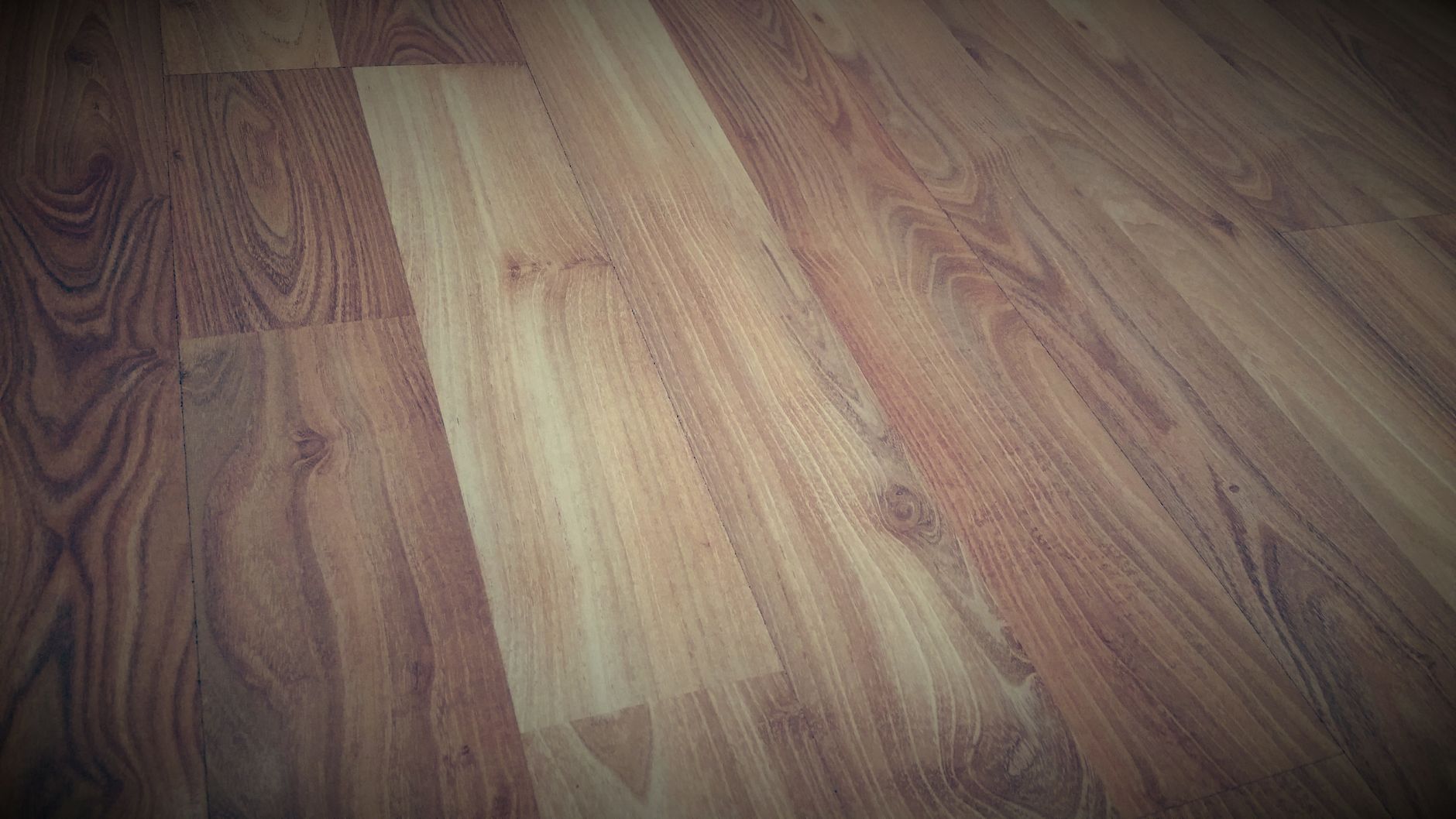
The construction typically includes four layers: a wear layer for scratch resistance, a photographic layer that mimics timber or stone, the waterproof rigid core, and an underlayment or backing layer for stability and sound reduction. This engineering means you can install waterproof laminate flooring in bathrooms, laundries, and kitchens without worrying about moisture damage.
In Australia, where coastal humidity and unpredictable weather patterns are common, waterproof laminate has become increasingly popular since its introduction in the early 2020s. The technology addresses the key weakness of traditional laminate while maintaining the aesthetic appeal and cost advantages that made laminate flooring attractive in the first place.
It’s worth noting that “waterproof” means the core won’t swell or be damaged by water exposure, but standing water should still be cleaned promptly to prevent mould growth in seams and to protect your subfloor. The Australian Building Codes Board provides guidelines on appropriate flooring materials for different areas of the home.
Benefits of waterproof laminate in Australian homes
The primary advantage is obvious: moisture resistance. Australian homes face unique challenges including high humidity in tropical regions, beach-side salt air, and the occasional flooding event. Waterproof laminate flooring handles these conditions far better than traditional timber or standard laminate.
Beyond water resistance, the benefits include:
- Durability: The rigid core construction is more stable underfoot and less prone to denting than traditional laminate. Most products carry AC3 to AC5 wear ratings, suitable for moderate to heavy residential traffic.
- Easy maintenance: Simple sweep and damp mop cleaning is all that’s required. No special treatments or polishes needed, unlike some timber flooring that requires careful maintenance.
- Cost-effective: Significantly cheaper than solid timber or engineered hardwood, while offering comparable aesthetics.
- Quick installation: Most waterproof laminate uses click-lock systems that float over the existing subfloor, meaning no adhesives or nails required.
- Underfloor heating compatibility: Many products work with hydronic or electric underfloor heating systems, though always check manufacturer specifications.
- Fade resistance: High-quality products include UV-resistant wear layers that prevent colour fading from Australian sunlight exposure.
For families with children or pets, waterproof laminate offers peace of mind. Spills can be wiped up without panic, and accidents won’t cause permanent damage to your investment.
Waterproof laminate flooring cost breakdown
Pricing for waterproof laminate flooring in Australia varies based on quality, brand, and installation method. As of 2026, expect these ranges:
Material costs (per square metre):
- Budget range: $35–$55/m² — Basic designs, thinner wear layers (0.3mm), limited warranties
- Mid-range: $55–$85/m² — Better aesthetics, 0.5mm wear layers, 15–20 year warranties
- Premium: $85–$130/m² — Designer collections, embossed textures, lifetime residential warranties
Popular Australian brands include Quick-Step, Godfrey Hirst, Laminex, and imported European lines like Pergo. Bunnings and specialty flooring retailers stock various options, with hybrid flooring options at Bunnings often overlapping with waterproof laminate categories.
Installation costs:
Professional installation typically adds $25–$45/m² depending on your location and job complexity. Sydney and Melbourne installers charge at the higher end, while regional areas may offer more competitive rates. DIY installation is feasible for competent homeowners with the right tools, potentially saving $1,500–$3,000 on an average home.
Additional expenses:
- Underlay (if not pre-attached): $8–$15/m²
- Transitions and trims: $20–$60 per strip
- Removal of existing flooring: $15–$30/m²
- Subfloor preparation: $10–$40/m² if levelling required
For a typical 100m² home, total costs range from $6,000–$17,500 including materials and professional installation. The Australian Bureau of Statistics tracks construction costs, and flooring expenses have risen approximately 12% since 2024 due to supply chain adjustments and increased material quality standards.
Installation methods and considerations
Most waterproof laminate flooring uses a floating floor installation method with click-lock or fold-and-lock mechanisms. This approach offers several advantages: no adhesive mess, easier future removal, and tolerance for minor subfloor imperfections.
Subfloor preparation:
Your subfloor must be clean, dry, and relatively level—typically within 3mm over 3 metres. Concrete slabs are ideal but require a moisture barrier (usually a plastic sheet underlayment). Timber subfloors work well provided they’re structurally sound and not excessively bouncy. Any major dips or humps should be corrected with levelling compound or sanding.
Acclimatisation:
Allow your waterproof laminate flooring to acclimatise in the installation space for 48 hours before laying. While the core is waterproof, the product still expands and contracts slightly with temperature changes. Australian climate zones vary dramatically—what works in Hobart differs from Darwin—so follow manufacturer guidelines for your specific region.
Expansion gaps:
Leave 10–15mm gaps around all perimeters and fixed objects. Waterproof laminate expands less than traditional laminate, but expansion gaps remain essential to prevent buckling. Cover these gaps with scotia, skirting, or transition strips.
Pattern and direction:
Run planks parallel to the longest wall or the main light source for visual appeal. Stagger end joints by at least 300mm between rows to create a natural appearance and structural integrity. Most manufacturers recommend a random stagger pattern rather than a repetitive step pattern.
Cutting:
Use a circular saw, jigsaw, or laminate cutter. The rigid core is denser than traditional laminate, so ensure your blade is sharp. Always cut face-up to minimise chipping on the visible surface.
How waterproof laminate compares to alternatives
Understanding where waterproof laminate sits among flooring options helps you make an informed choice:
Waterproof laminate vs traditional laminate:
Traditional laminate costs $25–$50/m² but cannot handle moisture. The HDF core swells when wet, causing irreversible damage. If your installation area is completely dry (bedrooms, living rooms away from external doors), traditional laminate works fine. For kitchens, bathrooms, and laundries, waterproof laminate is essential.
Waterproof laminate vs hybrid flooring:
Hybrid flooring and waterproof laminate are often confused because they’re similar products. Both use rigid waterproof cores. The main distinction: hybrid typically has a thicker vinyl wear layer, while waterproof laminate may use a melamine-based wear layer. Performance-wise, they’re comparable. Hybrid often feels slightly softer underfoot due to attached cushioned backing.
Waterproof laminate vs vinyl plank (LVP):
Luxury vinyl plank is also waterproof but feels softer and more flexible. LVP typically costs $40–$90/m² and handles extreme moisture even better than waterproof laminate. However, LVP is more susceptible to denting from heavy furniture and can show wear patterns in high-traffic areas faster than laminate’s harder wear layer.
Waterproof laminate vs timber:
Solid timber costs $80–$200/m² for materials alone, requires professional installation, and needs regular maintenance. It cannot be installed in wet areas. Engineered timber ($70–$180/m²) offers better moisture tolerance than solid timber but still shouldn’t be used in bathrooms. If you love the timber aesthetic but need water resistance, waterproof laminate provides an excellent compromise at half the cost.
Comparing to floating timber flooring, waterproof laminate offers superior moisture resistance but less authentic timber character and no refinishing capability.
Common mistakes to avoid
Even with straightforward installation, homeowners and DIYers make predictable errors with waterproof laminate flooring:
Skipping subfloor preparation: Installing over an uneven or dirty subfloor leads to clicking, gaps, and premature wear. Spend time getting the base right—it’s 50% of a successful installation.
Ignoring expansion gaps: Jamming planks tight against walls causes buckling when the floor expands. Always maintain proper perimeter gaps and don’t nail or glue down the edges.
Using the wrong underlay: Some waterproof laminate comes with pre-attached underlay; adding a second layer creates too much cushion and can damage the locking system. Conversely, skipping underlay when it’s required leads to a noisy, uncomfortable floor. Check specifications carefully.
Installing in direct sunlight areas without UV consideration: While most waterproof laminate includes UV protection, extreme sun exposure (large north-facing windows in Queensland, for example) can still cause fading over time. Use window treatments during peak sun hours or choose products with enhanced UV ratings.
Overlooking moisture barrier on concrete: Even though the laminate itself is waterproof, moisture rising from concrete slabs can create mould between the floor and subfloor. Always use a plastic moisture barrier on concrete installations.
Mixing product batches: Slight colour variations exist between manufacturing batches. Order all your material at once and mix planks from different boxes during installation to blend any subtle differences.
Not testing product before full installation: Lay out a few rows without locking them completely to check the pattern, colour, and how it looks with your lighting. Much easier to return unopened boxes than to regret your choice after installing 50m².
Assuming all waterproof laminate is equal: Quality varies dramatically. A $35/m² product won’t perform like an $85/m² product. Wear layer thickness, core density, locking mechanism quality, and warranty terms all matter. Read reviews and understand what you’re buying.
FAQ
Can waterproof laminate flooring be installed in bathrooms?
Yes, waterproof laminate flooring is suitable for bathroom installation. The waterproof core won’t swell from moisture or occasional standing water. However, ensure proper sealing around fixtures, maintain good ventilation to prevent mould in seams, and wipe up standing water promptly. For steam-heavy ensuites, consider products specifically rated for high-moisture environments.
How long does waterproof laminate flooring last?
Quality waterproof laminate flooring typically lasts 15–25 years in residential settings with proper care. Premium products with thicker wear layers (0.5mm+) and lifetime warranties may last 30+ years. The waterproof core doesn’t degrade, so lifespan is determined by wear layer quality and traffic levels. Commercial settings experience shorter lifespans due to heavier use.
Is waterproof laminate flooring suitable for Australian climate conditions?
Absolutely. Waterproof laminate flooring performs well across all Australian climate zones—from tropical Darwin humidity to temperate Melbourne conditions. The rigid waterproof core handles moisture and temperature fluctuations better than traditional laminate or solid timber. In bushfire-prone areas, check BAL ratings; some products offer improved fire resistance for homes in high-risk zones.
Can I install waterproof laminate over existing tiles?
Yes, provided the tiles are level, firmly adhered, and clean. Fill any grout lines deeper than 5mm with levelling compound to create a smooth surface. The existing tile must not be loose or cracked. This approach saves removal costs ($15–$30/m²) but adds floor height, which may require door trimming and transition adjustments.
What’s the difference between waterproof and water-resistant laminate?
Waterproof laminate has a core that won’t absorb water or swell even with prolonged exposure. Water-resistant laminate (traditional laminate with sealed edges) can handle light spills if cleaned quickly but will eventually fail with sustained moisture contact. For Australian kitchens, laundries, and bathrooms, genuine waterproof laminate flooring is the safer investment despite the slightly higher cost.
Waterproof laminate flooring offers Australian homeowners an ideal balance of aesthetics, durability, and moisture protection at a competitive price point. Whether you’re renovating a coastal apartment, upgrading a family home, or building new, this flooring solution handles our unique climate challenges while delivering the timber or stone look you want. Take time to select quality products, prepare your subfloor properly, and follow installation best practices—your new floor will reward you with years of low-maintenance performance.
Comparing quotes? Once you have 2-3 in hand, drop them into our free Renovation Quote Comparator to see totals side-by-side and catch the common red flags automatically.
Related guides
For more on Australian renovation costs, see: