You’re standing in the flooring aisle, overwhelmed by choices, and someone mentions vinyl flooring planks. Suddenly you’re wondering: are these the same as those cheap vinyl rolls from the 1980s? Not even close. Modern vinyl flooring planks have transformed Australian homes with their blend of durability, affordability, and realistic timber looks—without the maintenance headaches of real hardwood.
What’s in this guide
- What are vinyl flooring planks?
- Types of vinyl flooring planks
- Cost of vinyl flooring planks in Australia
- Benefits and drawbacks
- Installation methods
- Choosing the right vinyl flooring planks
- Common mistakes to avoid
- FAQ
What are vinyl flooring planks
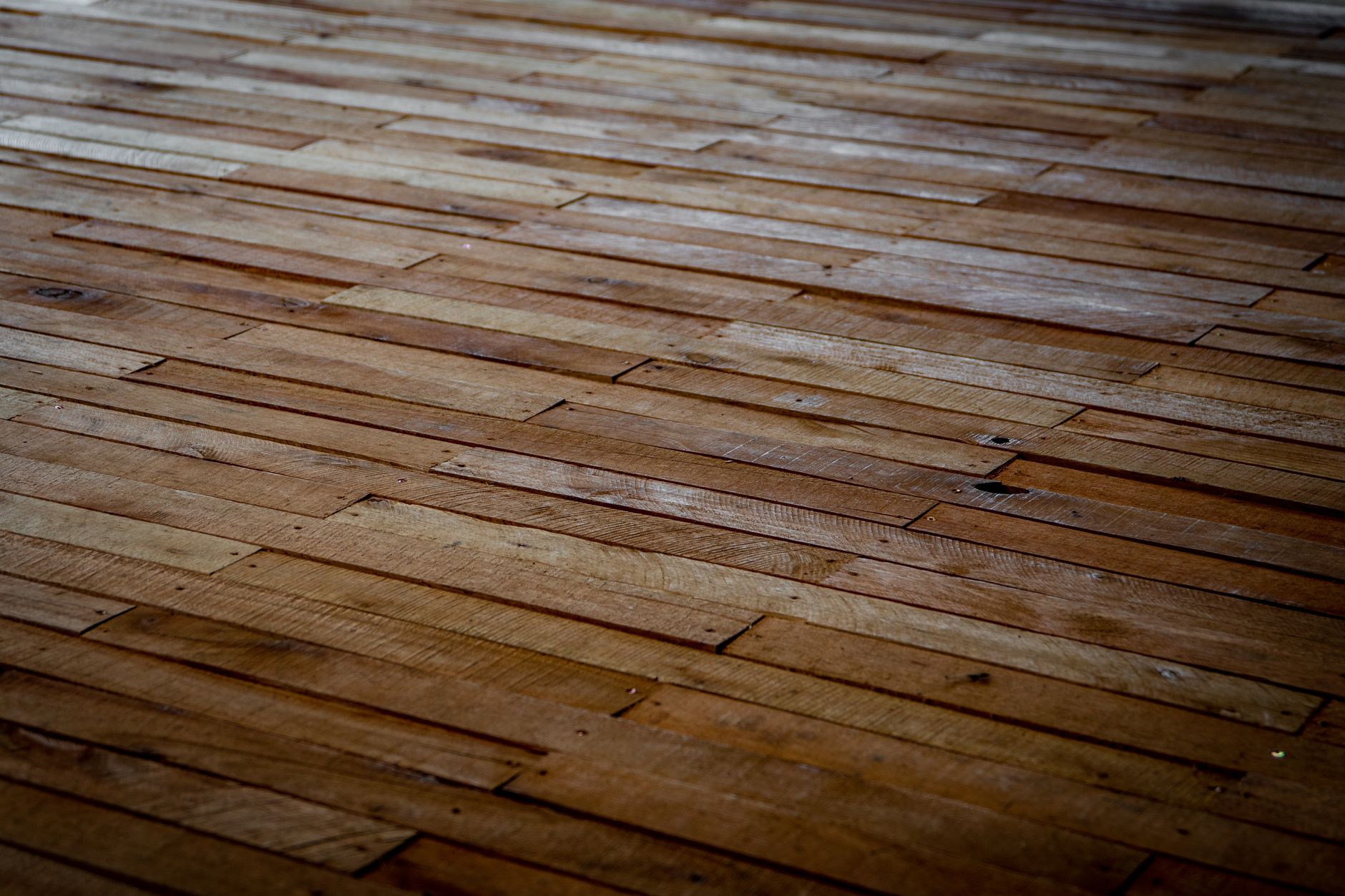
Vinyl flooring planks—often called luxury vinyl planks or LVP—are individual flooring pieces designed to mimic the look of timber, stone, or other natural materials. Unlike rolled vinyl flooring, which comes in wide sheets, planks are separate rectangular tiles that lock or glue together to create a seamless floor.
These planks typically consist of multiple layers: a backing layer for stability, a core layer (either rigid or flexible), a photographic design layer that creates the visual appearance, a wear layer for protection, and sometimes a top UV coating. The wear layer thickness determines durability and is measured in mils (thousandths of an inch) or millimetres.
Australian homeowners have embraced vinyl planks because they handle our climate extremes better than many alternatives. They resist moisture, don’t warp in humidity, and maintain their appearance through scorching summers and mild winters. The Consumer advocacy group Choice rates quality vinyl planks highly for wet areas and high-traffic zones.
Types of vinyl flooring planks
Not all vinyl flooring planks are created equal. Understanding the different types helps you match the product to your project and budget.
Luxury vinyl plank (LVP)
The most popular category, luxury vinyl plank flooring offers premium aesthetics with embossed textures that follow the grain pattern of the photographic layer. LVP typically has a thicker wear layer (12–20 mils) and comes in a wide range of timber finishes—from Tasmanian oak to blackbutt to exotic species. These planks usually install via click-lock systems, making them genuinely DIY-friendly.
Luxury vinyl wood plank (LVW)
This is essentially a marketing term that emphasises the realistic wood appearance. Luxury vinyl wood plank flooring uses advanced printing technology and deep embossing to replicate timber grain, knots, and colour variation. Some premium versions include hand-scraped or wire-brushed textures you can actually feel underfoot.
Waterproof vinyl planks (WPC and SPC)
Wood Plastic Composite (WPC) and Stone Plastic Composite (SPC) planks feature rigid cores that make them 100% waterproof—not just water-resistant. WPC cores blend wood fibres with plastic for a softer, warmer feel underfoot. SPC hybrid flooring uses limestone powder and PVC for an extremely dense, stable plank that won’t expand or contract with temperature changes. Both types are excellent for bathrooms, laundries, and kitchens.
Glue-down vinyl planks
These thinner planks (typically 2–3 mm) require adhesive for installation. While more labour-intensive than click-lock systems, glue-down planks sit flatter, handle heavy furniture better, and work well over slightly uneven subfloors. Commercial spaces often prefer glue-down installation for its permanence.
Cost of vinyl flooring planks in Australia
Vinyl flooring planks represent one of the more affordable flooring options, though quality varies dramatically with price.
Budget range ($25–$45 per square metre): Entry-level planks with thinner wear layers (6–8 mils) and basic wood-look designs. These work for low-traffic areas like bedrooms or spare rooms but won’t hold up well in hallways or living areas. Installation typically adds another $25–$35 per square metre for professional fitting.
Mid-range ($45–$75 per square metre): This sweet spot delivers good wear layers (12+ mils), realistic textures, and decent warranties (10–15 years residential). Most Australian homeowners choose from this category for main living areas. Professional installation runs $30–$45 per square metre depending on site preparation needs.
Premium range ($75–$120+ per square metre): Top-tier vinyl flooring planks with 20+ mil wear layers, ultra-realistic embossing, extra-wide plank formats, and commercial-grade warranties. Some premium brands offer 25-year residential warranties. Installation costs match the mid-range at $30–$50 per square metre unless your subfloor requires extensive preparation.
For comparison, hybrid flooring prices and solid timber flooring both typically start where premium vinyl tops out, making vinyl planks an attractive value proposition for budget-conscious renovators.
Don’t forget additional costs: underlay ($5–$15 per square metre for acoustic or cushioned types), scotia or skirting ($8–$20 per linear metre), transition strips ($15–$40 each), and subfloor preparation ($10–$30 per square metre if levelling is required).
Benefits and drawbacks
Vinyl flooring planks have become Australia’s go-to flooring for good reasons, but they’re not perfect for every situation.
Benefits
Water resistance: Unlike timber or laminate, quality vinyl planks handle spills, splashes, and even flooding (for WPC/SPC types) without warping or swelling. This makes them ideal for Australian coastal homes dealing with humidity.
Comfort underfoot: Vinyl has a slight give that feels warmer and softer than tile or stone. Some homeowners describe it as easier on joints during long cooking sessions or play time with kids.
Low maintenance: A quick sweep and occasional damp mop keeps vinyl looking fresh. No oiling, refinishing, or sealing required—ever. The UV coating on most planks resists fading even in sun-drenched Queensland rooms.
DIY-friendly installation: Click-lock planks genuinely snap together without special tools. Many Australian weekenders successfully install 50–60 square metres over a long weekend.
Sound absorption: Vinyl planks dampen footfall noise better than tile or timber, particularly when installed over acoustic underlay. This matters in two-storey homes and apartments.
Wide design range: From coastal whitewash to rich walnut, vintage parquetry to modern concrete looks, vinyl planks replicate almost any aesthetic at a fraction of the cost.
Drawbacks
Not genuinely natural: Despite impressive realism, vinyl is still plastic. If authentic materials matter to you—or future buyers—solid timber or stone may add more value.
Difficult repairs: A badly damaged plank often requires disassembling the floor from the nearest wall to reach it. Unlike timber, you can’t sand and refinish vinyl if it scratches deeply.
VOC concerns: Lower-quality vinyl can off-gas volatile organic compounds, particularly when new. Look for products with FloorScore or Green Guard certification to minimise indoor air quality issues.
Temperature sensitivity: Budget vinyl can expand slightly in extreme heat. While quality planks resist this, you still need expansion gaps around the room perimeter—which means you can’t glue or nail them down securely against movement.
Resale perception: Some buyers view vinyl as a “cheap” option compared to timber or tile, even though modern products perform brilliantly. This perception is changing but hasn’t disappeared entirely.
Installation methods
How you install vinyl flooring planks affects both the final result and your budget.
Floating floor (click-lock)
The most popular method uses planks with built-in locking mechanisms. The entire floor “floats” above the subfloor without adhesive, relying on the interlocked planks and perimeter weight to stay in place. You need a moisture barrier underlay and must leave 10–15 mm expansion gaps around all walls and fixed objects.
Floating installation works over most existing floors—tiles, timber, vinyl, even low-pile carpet in some cases—as long as the surface is level to within 3 mm over 2 metres. This method is genuinely DIY-accessible and allows you to walk on the floor immediately.
Glue-down installation
Thinner planks require pressure-sensitive or hard-set adhesive spread across the subfloor. Each plank presses into the adhesive, creating a permanent bond. This method requires more skill, proper trowel selection, and careful timing to avoid adhesive setting before planks are positioned.
Glue-down works brilliantly over concrete slabs—common in Australian ground floors—and provides the most stable, quiet installation. However, it’s essentially permanent and requires professional removal if you ever want to change floors.
Loose lay
Heavy, thick planks with rubber backing can simply lie on the subfloor using friction and weight to stay in place. Loose lay eliminates both adhesive and click-lock mechanisms, making installation incredibly fast. The trade-off is limited product selection and the possibility of planks shifting if furniture is dragged across them.
Choosing the right vinyl flooring planks
The sheer variety of vinyl flooring planks available in Australia requires a systematic approach to selection.
Wear layer thickness: This single specification predicts lifespan more than any other factor. For bedrooms, 8–12 mils suffices. For living areas and hallways, choose 12–20 mils. Commercial spaces need 20+ mils. According to Australian Building Codes Board guidance, commercial-grade flooring must meet specific slip-resistance and durability standards.
Core type: Flexible vinyl cores feel softer but can telegraph subfloor imperfections. Rigid cores (WPC/SPC) hide minor subfloor issues and provide better dimensional stability. If you’re installing over old timber floorboards, rigid cores perform better.
Plank dimensions: Wider planks (180–230 mm) and longer planks (up to 2 metres) create a more realistic timber look with fewer seams but require flatter subfloors. Narrow planks (100–150 mm) suit smaller rooms and forgive subfloor irregularities.
Texture and finish: Embossed-in-register (EIR) planks have texture that matches the printed grain pattern—run your hand across them and you’ll feel the “grain.” This realism costs more but looks dramatically better than flat vinyl. Matte finishes hide scratches better than glossy ones.
Edge profile: Micro-beveled edges create subtle definition between planks, mimicking real timber. Square edges create a seamless appearance but show subfloor irregularities more readily.
Warranty: Residential warranties range from 10 to 30 years. Read the fine print—most cover manufacturing defects but exclude damage from furniture, pets, or incorrect installation. Commercial warranties (often 5–10 years) indicate tougher products.
Australian standards: Look for products tested to AS/NZS 4859.1 for thermal resistance if you’re installing over concrete slabs, and AS 4586 for slip resistance in wet areas like bathrooms and laundries.
Common mistakes to avoid
Even straightforward vinyl plank installation can go wrong. Here’s what trips up Australian DIYers and what to watch for with installers.
Skipping subfloor preparation: Vinyl planks telegraph every bump, dip, and lump in the subfloor. That high spot you barely notice underfoot becomes a visible ridge in the finished floor. Invest in self-levelling compound if your subfloor varies more than 3 mm over 2 metres. It costs $25–$40 per bag but prevents a wavy, unprofessional result.
Ignoring acclimation: Vinyl planks need 24–48 hours in the installation room to adjust to temperature and humidity. Installing cold planks in a warm room causes expansion after installation, buckling the floor. Leave boxes opened and stacked (not spread out) in the room before starting.
Inadequate expansion gaps: Vinyl expands and contracts slightly with temperature. Without a 10–15 mm gap around the entire perimeter, your floor will buckle when it expands. Scotia or skirting boards hide these gaps—never install planks tight to walls.
Wrong underlay: Not all vinyl flooring planks need underlay, and some manufacturers void warranties if you add it. Check specifications before purchasing. When underlay is appropriate, choose types designed for vinyl—not laminate or timber underlay, which may be too thick or smooth.
Forgetting moisture barriers: Installing over concrete without a moisture barrier invites mould and adhesion failure. Use builder’s plastic (200 micron minimum) overlapped by 200 mm at seams and taped. This applies even to “waterproof” vinyl planks—the waterproofing works from above, not below.
Poor pattern planning: Starting installation from the wrong wall can leave you with a sliver of plank (less than 50 mm) at the opposite end—ugly and unstable. Measure the room and plan your layout so the first and last rows are roughly equal width, both ideally 100 mm or wider.
Mixing batches: Vinyl planks from different production batches can vary slightly in colour. Shuffle planks from multiple boxes during installation to blend any variations naturally rather than creating a visible line where one batch ends and another begins.
FAQ
How long do vinyl flooring planks last?
Quality vinyl flooring planks with 12+ mil wear layers typically last 15–25 years in residential settings with proper care. Premium products with 20 mil wear layers can exceed 30 years. Lifespan depends on traffic levels, maintenance, and whether you protect the floor from heavy furniture and sharp objects. Budget planks with thin wear layers may show significant wear in high-traffic areas within 5–10 years.
Can vinyl planks go over tiles?
Yes, vinyl flooring planks can install directly over ceramic or porcelain tiles if the tiles are level, firmly adhered, and clean. Fill any grout lines deeper than 3 mm with floor-levelling compound to prevent them telegraphing through the vinyl. Remove any loose or cracked tiles and patch those areas. This approach saves the cost and mess of tile removal, though it does raise your floor height by 4–8 mm depending on plank thickness.
Are vinyl planks suitable for bathrooms?
Absolutely—waterproof vinyl flooring planks (WPC or SPC types) excel in bathrooms. Unlike laminate or timber, they won’t swell or warp from shower overspray or humidity. Ensure you use 100% waterproof planks (check the product specifications) rather than just water-resistant types. Pay extra attention to sealing around toilets, vanities, and baths with flexible silicone to prevent water seeping to the subfloor.
Do vinyl planks need underlay?
It depends on the product and subfloor. Many click-lock vinyl planks include attached underlay, making additional underlay unnecessary and sometimes prohibited by warranty terms. Planks without attached underlay may benefit from a thin (1–2 mm) vinyl-specific underlay for acoustic dampening and minor subfloor smoothing. Always check manufacturer specifications—some explicitly forbid underlay while others recommend it.
What’s the difference between vinyl planks and hybrid flooring?
The terms overlap significantly. Hybrid timber flooring typically refers to rigid-core vinyl planks (WPC or SPC types) that combine vinyl with timber or stone composites. Traditional vinyl planks may use flexible vinyl cores. In Australian retail, “hybrid” usually means rigid-core waterproof planks, while “vinyl planks” can include both rigid and flexible types. Always check the core composition rather than relying on marketing terms.
Vinyl flooring planks have earned their place in Australian homes through a combination of practicality, affordability, and impressive aesthetics. Whether you’re renovating a Brisbane Queenslander or fitting out a new Melbourne apartment, modern vinyl planks deliver the timber look without the maintenance burden. Focus on wear layer thickness, choose the right core type for your subfloor, and don’t cut corners on preparation—your floor will reward you with years of trouble-free service.
Related guides
For more on Australian renovation costs, see: