Planning a bathroom makeover in the Hunter region? You’re not alone—Newcastle homeowners are investing more than ever in modernising their bathrooms, whether it’s a coastal cottage in Merewether or a heritage home in The Hill. Understanding the bathroom renovation cost Newcastle involves more than national averages; local labour rates, material availability, and council requirements all shape your final bill.
What’s in this guide
- Newcastle bathroom renovation cost breakdown
- Factors that affect bathroom renovation cost Newcastle
- Suburb-specific considerations across Newcastle
- Council approvals and permits in Newcastle
- Common mistakes to avoid
- FAQ
Newcastle bathroom renovation cost breakdown
The bathroom renovation cost Newcastle typically ranges between $18,000 and $35,000 for a standard full renovation, though you’ll find plenty of variation depending on scope and finishes. Here’s how the numbers stack up across different tiers:
Budget refresh ($8,000–$15,000): Surface-level updates like repainting, new tapware, vanity replacement, mirror upgrade, and fresh grouting. No structural changes or plumbing relocation. Popular with investors updating rental properties in suburbs like Wallsend or Charlestown.
Mid-range renovation ($18,000–$28,000): Complete retile, new bathtub or shower enclosure, updated vanity and cabinetry, quality fixtures, upgraded lighting, waterproofing, and fresh plasterwork. This bracket covers most family bathrooms in Newcastle’s established suburbs—think Hamilton, Kotara, and Adamstown.
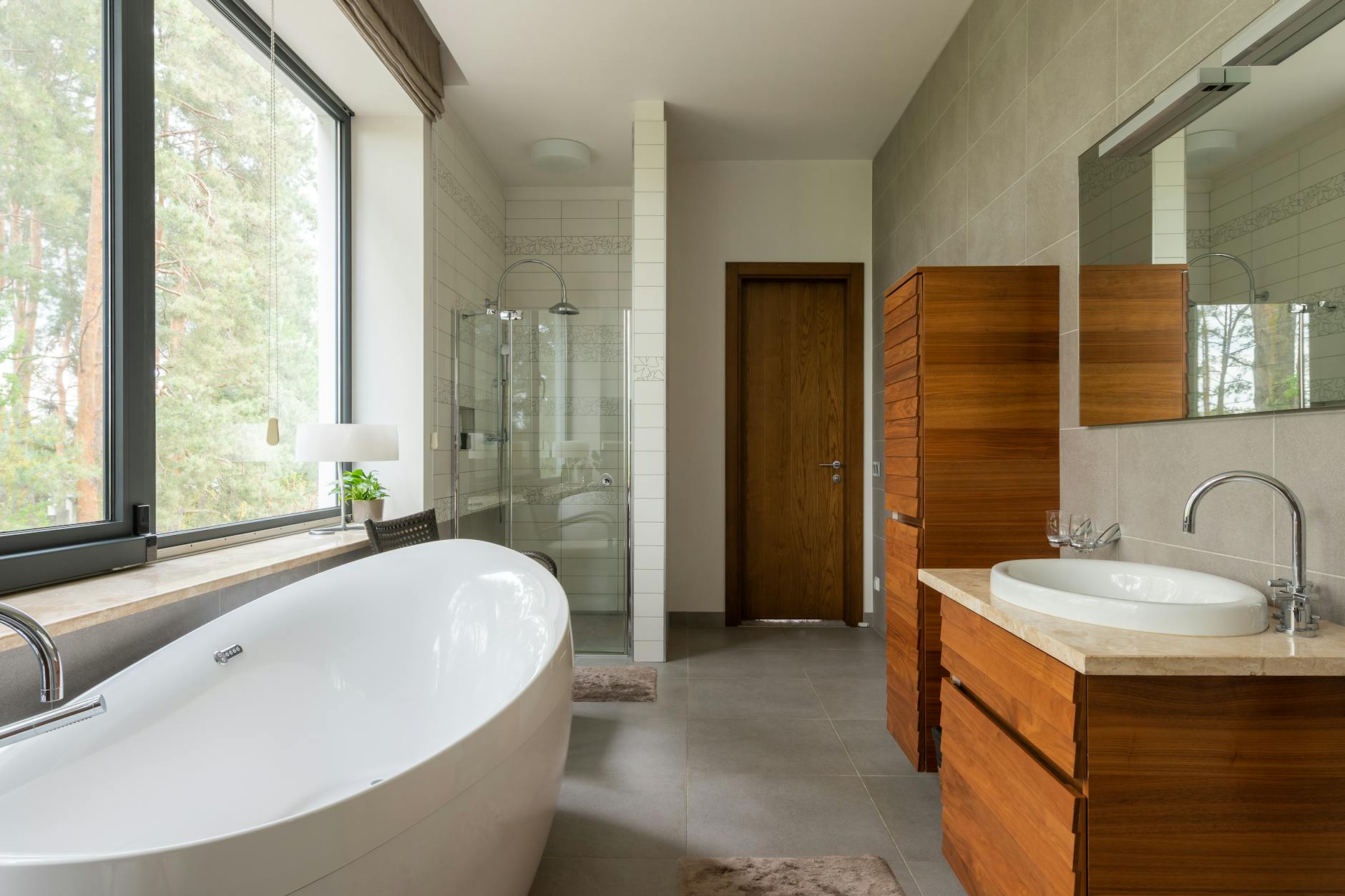
High-end transformation ($30,000–$50,000+): Premium tiles (often imported stone or large-format porcelain), freestanding bath, frameless glass shower screens, underfloor heating, custom joinery, heated towel rails, and designer tapware. Coastal properties in Merewether, Bar Beach, and Cooks Hill frequently see renovations in this range, especially where homeowners want to maximise resale appeal in Newcastle’s competitive beachside market.
Labour costs in Newcastle sit slightly below Sydney rates but above regional NSW averages. Expect to pay qualified tradespeople around $80–$100 per hour for plumbers, $70–$90 per hour for tilers, and $65–$85 per hour for electricians. A typical bathroom renovation requires 3–5 weeks of trades on-site, with plumbing and tiling accounting for the lion’s share of labour hours.
Factors that affect bathroom renovation cost Newcastle
Several local and project-specific elements will shift your bathroom renovation cost Newcastle quote up or down:
Age and style of your home: Newcastle’s housing stock spans from Victorian-era terraces in The Junction to mid-century fibro cottages in Mayfield and modern estates in Fletcher. Older homes often require additional structural work—reinforcing floor joists, replacing corroded copper pipes, or upgrading outdated electrical wiring to meet current Australian Standards. Heritage overlays in parts of Newcastle East and Cooks Hill may also require additional approvals or mandated materials, adding time and expense.
Extent of plumbing relocation: Moving your toilet, shower, or vanity means cutting into concrete slabs or rerouting pipes through timber framing. In Newcastle’s many single-level brick-veneer homes, slab plumbing is common, and any relocation typically adds $2,000–$5,000 to your bill. If you’re keeping the existing layout (a “like-for-like” renovation), costs drop significantly.
Material selection and availability: Tile and fixture availability in Newcastle is excellent—major suppliers operate in Bennetts Green, Kotara, and Cardiff—but premium imported products may incur freight premiums or longer lead times. Opting for locally stocked Australian-made tiles and fittings can shave weeks off your timeline and reduce costs by 10–15%.
Waterproofing requirements: All wet areas in NSW must comply with AS 3740, and Newcastle’s coastal humidity makes thorough waterproofing non-negotiable. Budget $1,200–$2,500 for certified waterproofing membranes across floor and shower zones. Homes close to the coast—Stockton, Merewether, Newcastle East—face harsher salt-air conditions, so investing in high-quality waterproofing and corrosion-resistant fixtures pays off long-term.
Ventilation and moisture control: Newcastle’s subtropical climate and coastal exposure mean bathrooms without adequate ventilation quickly develop mould. Installing or upgrading an exhaust fan that meets Building Code of Australia (BCA) requirements typically costs $400–$800. Properties in lower-lying areas like Mayfield or Carrington benefit from ducted extraction vented directly outside rather than into the roof cavity.
If you’re comparing quotes from tradespeople across the Hunter region, you might find it useful to see how pricing differs in other nearby cities. For example, bathroom renovation costs in Sydney tend to run 15–20% higher due to tighter labour markets and premium materials, while Canberra’s renovation pricing reflects a similar mid-range market to Newcastle.
Suburb-specific considerations across Newcastle
Where you live in Newcastle can influence both the scope of work and the tradespeople you engage. Understanding your suburb’s typical housing stock helps set realistic expectations for your bathroom renovation cost Newcastle project.
Beachside suburbs (Merewether, Bar Beach, Newcastle East, The Junction): Properties here often command premium prices, and homeowners tend to invest in high-spec finishes to match market expectations. Coastal corrosion is a genuine concern—stainless steel or brass fixtures fare better than cheaper chrome-plated alternatives. Budget an extra $500–$1,000 for corrosion-resistant materials. Many beachside homes also feature compact ensuites or powder rooms where space planning becomes critical; custom joinery and frameless shower screens maximise every square metre.
Established inner suburbs (Hamilton, The Hill, Cooks Hill, Islington): Character homes with original features are common. Renovations here often blend period charm with modern function—keeping leadlight windows or decorative cornices while installing contemporary fixtures. Expect heritage overlays to require a Development Application (DA) for external changes or additions, though internal bathroom work usually proceeds under Complying Development. Asbestos is frequently present in pre-1990 homes; safe removal by a licensed contractor adds $1,500–$3,000 to the budget.
Western suburbs (Wallsend, Jesmond, Shortland, Waratah): Family-oriented neighbourhoods with a mix of brick-veneer homes from the 1970s–1990s. Renovations here tend to be practical and value-focused—new tiling, frameless shower screens, updated vanities, and improved lighting. The bathroom renovation cost Newcastle homeowners in these suburbs typically target the $18,000–$25,000 range for a full renovation.
Newer estates (Fletcher, Cameron Park, Edgeworth): Modern estates built in the past 15 years often feature bathrooms that need only cosmetic updates or minor fixture replacements. However, plumbing installed during the building boom can be of variable quality; it’s worth having a licensed plumber inspect behind walls before committing to surface-level changes. Budget refreshes here often run $8,000–$12,000.
Lake Macquarie suburbs (Warners Bay, Belmont, Toronto): Technically just outside Newcastle’s city limits but sharing the same trades and suppliers. Lakefront properties face similar moisture and corrosion challenges to beachside homes. If you’re renovating near the lake, prioritise exhaust ventilation and mould-resistant materials like villaboard or fibre-cement sheeting over standard plasterboard.
Council approvals and permits in Newcastle
Most internal bathroom renovations in Newcastle proceed as Exempt or Complying Development, meaning you won’t need a full Development Application (DA) from City of Newcastle Council. However, you must still comply with the Building Code of Australia and obtain the necessary certificates:
- Plumbing compliance certificate: Your licensed plumber will lodge a Notice of Work with NSW Fair Trading and provide a compliance certificate on completion. This is mandatory for any work involving water supply, drainage, or sanitary fixtures.
- Electrical compliance certificate: Required for new lighting circuits, exhaust fan installation, or any changes to switchboards. Your electrician will issue a Certificate of Compliance once the work passes inspection.
- Waterproofing certificate: A licensed waterproofer must certify that all wet areas meet AS 3740. Some councils and insurers now require photographic evidence of membrane application before tiling.
- Development Application (DA): Only needed if you’re adding floor area (e.g. extending into an adjacent room), altering the building’s external envelope, or working on a heritage-listed property. Processing time is typically 6–10 weeks, and fees start around $1,000.
For detailed guidance on approval triggers and exemptions, consult the NSW Planning Portal’s Complying Development page. If in doubt, a quick phone call to Council’s planning desk (or your builder’s experience) will clarify whether your project needs formal approval.
Common mistakes to avoid
Newcastle homeowners frequently encounter the same pitfalls when planning their bathroom renovations. Sidestepping these traps can save thousands and spare you weeks of stress.
Underestimating waterproofing importance: Cutting corners on waterproofing to save $500 today can lead to $10,000+ in leak damage, mould remediation, and legal disputes down the track. Always engage a licensed waterproofer and request certification before tiling begins.
Ignoring ventilation requirements: Newcastle’s humidity is unforgiving. A bathroom without adequate exhaust ventilation will develop mould within months, especially in poorly lit or windowless spaces. Install a fan rated for your room size (measured in cubic metres per hour) and ensure it vents directly outside—not into the roof cavity.
Choosing fashion over function: Glossy black tiles and matte-black tapware look stunning in showrooms but show every water spot and soap residue. Coastal Newcastle’s hard water exacerbates this. If you love dark finishes, budget extra time for daily maintenance or choose semi-gloss and textured surfaces that hide marks better.
Skipping a proper scope of work: Vague quotes like “bathroom renovation — $20,000” leave room for dispute. Insist on an itemised quote listing materials, labour hours, trade schedules, and exclusions (e.g. asbestos removal, structural repairs, or council fees). This protects both you and your tradesperson.
Overlooking storage and power points: Modern bathrooms need more power outlets than older layouts allowed—electric toothbrushes, hair dryers, shavers, heated towel rails. Plan for at least two double power points, positioned away from direct water spray. Similarly, maximise storage with recessed niches, wall-hung vanities with drawers, and mirrored cabinets to avoid post-renovation clutter.
Not budgeting for contingencies: Almost every renovation uncovers something unexpected—rotted floor joists, outdated wiring, or hidden leaks. Set aside 10–15% of your total budget as a contingency. On a $25,000 renovation, that’s $2,500–$3,750 in reserve.
FAQ
What is the average bathroom renovation cost Newcastle homeowners pay?
Most Newcastle homeowners spend between $18,000 and $28,000 for a mid-range full bathroom renovation, covering new tiling, fixtures, vanity, shower or bath replacement, lighting, and waterproofing. Budget refreshes start around $8,000, while luxury transformations can exceed $50,000 depending on materials and custom features.
Do I need council approval for a bathroom renovation in Newcastle?
Internal bathroom renovations typically qualify as Exempt or Complying Development and don’t require a Development Application (DA). You must still obtain plumbing, electrical, and waterproofing compliance certificates. A DA is required if you’re adding floor area, changing external walls, or working on a heritage-listed property.
How long does a bathroom renovation take in Newcastle?
Expect 3–5 weeks from demolition to final touches for a standard renovation. Projects requiring structural changes, custom joinery, or imported materials may extend to 6–8 weeks. Weather delays are rare in Newcastle, but material delivery times can stretch timelines during peak building seasons (spring and early summer).
Are Newcastle tradespeople cheaper than Sydney?
Yes. Newcastle labour rates run approximately 10–20% below Sydney, with plumbers charging $80–$100/hour compared to Sydney’s $100–$120/hour. However, Newcastle rates are on par with or slightly above other regional centres like the Central Coast or Hunter Valley towns.
Should I DIY parts of my bathroom renovation to save money?
You can handle demolition, painting, and accessory installation yourself, potentially saving $2,000–$4,000. However, plumbing, electrical work, waterproofing, and tiling should always be done by licensed tradespeople to meet Australian Standards and maintain insurance validity. For a deeper comparison of DIY versus professional approaches in other renovation contexts, you might find the DIY versus professional vinyl flooring guide insightful.
What tiles are best for Newcastle’s coastal climate?
Porcelain tiles perform exceptionally well in coastal environments—they’re dense, low-porosity, and resist salt and moisture better than ceramic. Rectified large-format tiles (600×600mm or 300×600mm) are popular for their modern look and minimal grout lines, which reduce cleaning and mould risk. Choose matte or textured finishes for floors to prevent slipping when wet.
Getting your bathroom renovation cost Newcastle budget right means balancing your wish list with practical realities—material availability, local labour rates, climate considerations, and council rules. Start with a clear scope, get at least three itemised quotes from licensed tradespeople, and keep that 10–15% contingency tucked away for surprises. Whether you’re refreshing a beach shack in Stockton or transforming a heritage ensuite in The Hill, investing in quality waterproofing, ventilation, and corrosion-resistant fixtures will serve you well in Newcastle’s unique coastal environment.
Related guides
For more on Australian renovation costs, see: