You’ve invested in beautiful laminate flooring, but now you’re staring at streaks, sticky residue, or dull patches wondering what went wrong. Choosing the right laminate flooring cleaner and using proper techniques makes all the difference between gleaming floors and a frustrating mess that never quite looks clean.
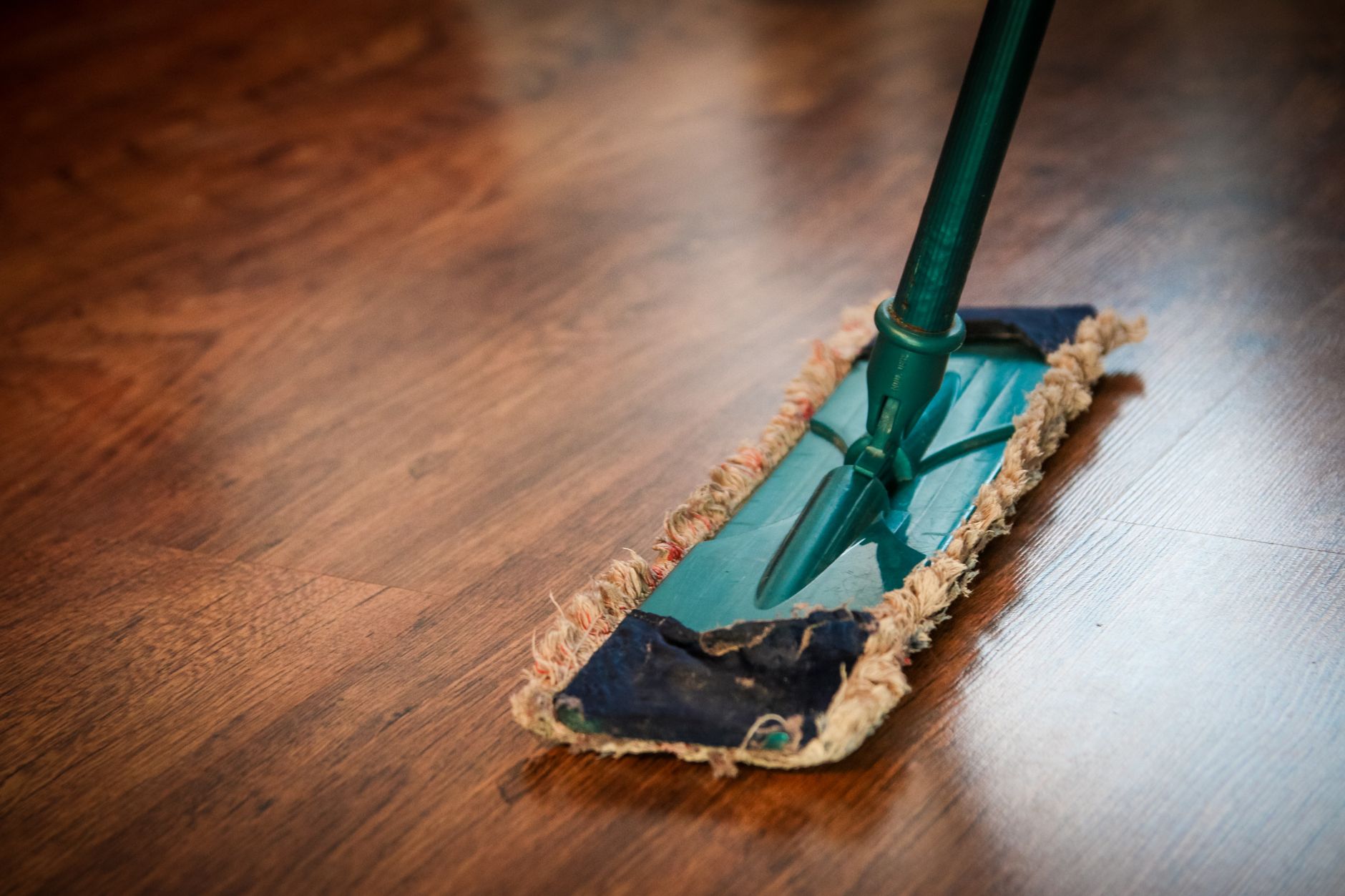
Laminate is one of Australia’s most popular flooring choices—affordable, durable, and attractive—but it requires specific care. Unlike timber or tile, laminate has a protective wear layer that can be damaged by harsh chemicals or excessive moisture. The good news? Once you understand what works (and what to avoid), maintaining pristine laminate floors becomes a quick, straightforward task.
What’s in this guide
- Why laminate flooring needs special care
- Best laminate flooring cleaner types for Australian homes
- How to clean laminate flooring properly
- DIY laminate flooring cleaner recipes
- Common mistakes to avoid
- FAQ
Why laminate flooring needs special care
Laminate flooring consists of multiple layers: a backing layer, a core fibreboard, a photographic design layer, and a clear protective wear layer on top. This construction makes laminate water-resistant but not waterproof. Excessive water can seep into seams and cause the core to swell, warp, or delaminate—damage that’s often irreversible.
The wear layer is designed to resist scratches and stains, but abrasive cleaners, steam mops, or wax-based products can cloud or damage this surface. Traditional floor cleaners formulated for tile or timber often leave residue on laminate, creating that frustrating dull film or sticky feeling underfoot.
Understanding these characteristics explains why a pH-neutral, water-minimising approach works best. The right laminate flooring cleaner lifts dirt without penetrating seams or leaving residue on the wear layer.
Best laminate flooring cleaner types for Australian homes
Australian retailers stock several proven options, and your choice depends on budget, convenience, and any specific challenges like pet hair or high foot traffic.
Commercial laminate-specific cleaners
Brands like Bona, Dirtbusters, and Quick-Step manufacture cleaners formulated specifically for laminate. These pH-neutral formulas dry quickly, leave no residue, and cost roughly $10–$25 per litre. Bunnings, Woolworths, and specialty flooring retailers carry most major brands. Look for “laminate safe” or “no-rinse” labelling—these products are designed to clean without dulling the finish.
Spray-and-mop formats are particularly convenient: you spritz directly onto the floor and wipe with a microfibre mop. This method uses minimal liquid and speeds up the process, ideal for busy households.
Microfibre mop systems
Pairing any laminate flooring cleaner with a quality microfibre mop is non-negotiable. Microfibre lifts dirt and traps particles without scratching, and it holds just enough moisture to clean effectively without over-wetting. Avoid sponge mops or traditional string mops—they release too much water and push grime into seams.
Consider a spray mop with a refillable reservoir (around $30–$60) or a flat microfibre mop with washable pads (as low as $15). Both options give you control over moisture levels, which is critical for laminate longevity.
Natural and eco-friendly options
If you prefer plant-based or low-chemical products, brands like Koala Eco and Earth Choice offer biodegradable floor cleaners safe for laminate. These typically cost $8–$15 per bottle and work well for routine maintenance. Check that the label confirms suitability for laminate or sealed floors—some natural cleaners contain oils that can leave residue.
Many Australian families are moving towards waterproof laminate flooring in wet-prone areas like kitchens and laundries, but even waterproof laminate benefits from minimal-moisture cleaning to protect the locking mechanisms and edges.
How to clean laminate flooring properly
Technique matters as much as product choice. Follow this step-by-step routine for streak-free, damage-free results.
Daily or as-needed: dry sweep or vacuum
Remove loose dirt, dust, and grit before wet cleaning. A soft-bristle broom, dry microfibre mop, or vacuum with a hard-floor setting works well. Grit acts like sandpaper underfoot, so regular sweeping extends the life of your laminate’s wear layer. For homes with pets, a quick daily sweep prevents hair and dander build-up.
Weekly: damp mop with laminate cleaner
- Prepare your solution: If using a concentrate, follow dilution instructions (typically 30–60 ml per 5 litres of water). For spray cleaners, you’ll apply directly to the floor.
- Wring out excess water: Your mop should be damp, not dripping. Excess water is laminate’s enemy.
- Mop in sections: Work in manageable 2–3 metre sections, following the plank direction. This prevents streaking and ensures even coverage.
- Dry if needed: In humid climates or poorly ventilated rooms, a quick pass with a dry microfibre cloth prevents water spots.
Most Australian homes only need a full damp mop once a week. High-traffic areas like hallways or open-plan living zones may benefit from twice-weekly attention, while bedrooms can often go longer between cleans.
Spot cleaning spills and stains
Address spills immediately—laminate’s water resistance buys you time, but it’s not infinite. Blot (don’t wipe) liquid spills with a dry cloth, then follow up with a lightly dampened microfibre cloth and a small amount of laminate flooring cleaner if needed.
For sticky messes (jam, soft drink residue), use a plastic scraper or old credit card to gently lift the bulk, then clean the area with your usual cleaner. Avoid metal scrapers or abrasive pads, which can scratch the wear layer.
DIY laminate flooring cleaner recipes
If you’d rather mix your own solution, these recipes use pantry staples and work well for routine maintenance. Always test in an inconspicuous area first.
Vinegar and water solution
Mix 60 ml of white vinegar with 4 litres of warm water. Vinegar is mildly acidic and cuts through grease and grime without leaving residue. Use sparingly—too much vinegar can dull some laminate finishes over time. This solution costs mere cents per batch and works beautifully for light to moderate dirt.
Methylated spirits (denatured alcohol) mix
Combine 30 ml of methylated spirits with 4 litres of water. This evaporates quickly, leaving a streak-free finish, and is excellent for high-gloss laminate. Methylated spirits is available at any hardware store for around $5–$8 per litre. Ensure good ventilation when using this mix.
Baby shampoo solution
Add a capful (roughly 10 ml) of gentle baby shampoo to 4 litres of warm water. This ultra-mild option works for families with young children or anyone sensitive to stronger cleaners. It’s pH-neutral and rinses clean, though it may require a second pass with plain water to avoid any soapy residue.
Regardless of recipe, always use minimal liquid and a well-wrung mop. DIY solutions won’t include the quick-dry surfactants found in commercial laminate flooring cleaner products, so extra care with moisture is essential.
Common mistakes to avoid
Even well-intentioned cleaning can harm laminate if you fall into these traps.
Using a steam mop
Steam mops are laminate’s worst enemy. The high heat and moisture can penetrate seams, causing swelling, warping, and voiding most manufacturer warranties. Stick to damp mopping—it’s just as effective and far safer.
Over-wetting the floor
Puddles, soaking wet mops, or bucket-loads of water spell trouble. If you can see standing water on the surface, you’ve used too much. Laminate needs only a light damp pass to lift dirt. According to Choice, excess moisture is the leading cause of premature laminate failure in Australian homes.
Using wax, polish, or oil-based cleaners
Laminate’s factory finish doesn’t require—and actively rejects—wax or polish. These products create a cloudy film, attract dust, and make the floor slippery. If you’ve accidentally applied wax, remove it with a dedicated wax-stripper safe for laminate, then return to your pH-neutral laminate flooring cleaner routine.
Ignoring manufacturer guidelines
Check your flooring’s warranty and care instructions. Some brands specify approved cleaners or warn against certain chemicals. Following these guidelines protects your investment and keeps your warranty intact. The Australian Building Codes Board doesn’t regulate flooring care directly, but manufacturers’ recommendations align with best-practice standards for durability and safety.
Using abrasive tools
Scrub brushes, steel wool, or rough scouring pads will scratch the wear layer. For stubborn marks, a soft cloth or the edge of a plastic scraper is your safest bet. If you’re dealing with scuffs from shoes, a tennis ball or pencil eraser (gently rubbed) often does the trick without chemicals.
Neglecting furniture pads and mats
While not strictly a cleaning mistake, failing to use felt pads under furniture legs or entry mats at doorways means more dirt tracked in and more scratches to clean around. Prevention reduces the frequency and intensity of cleaning required, extending your laminate’s lifespan.
FAQ
Can I use a regular floor cleaner on laminate?
It’s not recommended. Most all-purpose or tile cleaners contain detergents, oils, or alkaline ingredients that leave residue or dull laminate’s finish. Invest in a dedicated laminate flooring cleaner or use a proven DIY recipe to avoid streaks and build-up.
How often should I clean laminate flooring?
Sweep or vacuum daily (or every few days) to remove grit, and damp mop with a laminate-safe cleaner weekly. High-traffic areas may need mopping twice a week, while low-use rooms like guest bedrooms can go fortnightly. Always spot-clean spills immediately.
Will vinegar damage my laminate floors?
Diluted white vinegar (around 60 ml per 4 litres of water) is generally safe for laminate and won’t cause damage when used sparingly. However, using it undiluted or too frequently may dull some finishes over time. If in doubt, stick to a commercial laminate flooring cleaner or test vinegar in a hidden corner first.
What’s the best way to remove scuff marks from laminate?
Rub the mark gently with a clean tennis ball, a pencil eraser, or a microfibre cloth dampened with a small amount of laminate cleaner. For tougher scuffs, a tiny dab of methylated spirits on a cloth often works. Avoid abrasive scrubbing, which can scratch the wear layer.
Can I use a robotic vacuum or mop on laminate?
Robotic vacuums designed for hard floors are fine—just ensure the wheels and brushes are clean to avoid scratching. Robotic mops can work if they use minimal water and are rated for laminate, but monitor the first few uses to confirm they’re not over-wetting. Avoid any robot that dispenses excessive liquid or uses steam.
Keeping laminate flooring looking its best doesn’t require expensive equipment or hours of effort—just the right laminate flooring cleaner, a good microfibre mop, and a moisture-conscious approach. Whether you choose a trusted commercial product, a simple vinegar solution, or a pH-neutral natural cleaner, consistency and proper technique will reward you with gleaming, long-lasting floors. Start with a thorough sweep, follow up with a light damp mop, and your laminate will continue to impress for years to come.
Comparing quotes? Once you have 2-3 in hand, drop them into our free Renovation Quote Comparator to see totals side-by-side and catch the common red flags automatically.
Related guides
For more on Australian renovation costs, see: