Thinking about refreshing your Central Coast home with a new coat of paint? Whether you’re updating a beachside cottage in Terrigal or modernising a family home in Wyong, interior painting Central Coast projects can dramatically transform your living spaces without the expense of a full renovation. Getting the right finish, choosing quality tradespeople, and understanding local pricing will save you time, money, and headaches down the track.
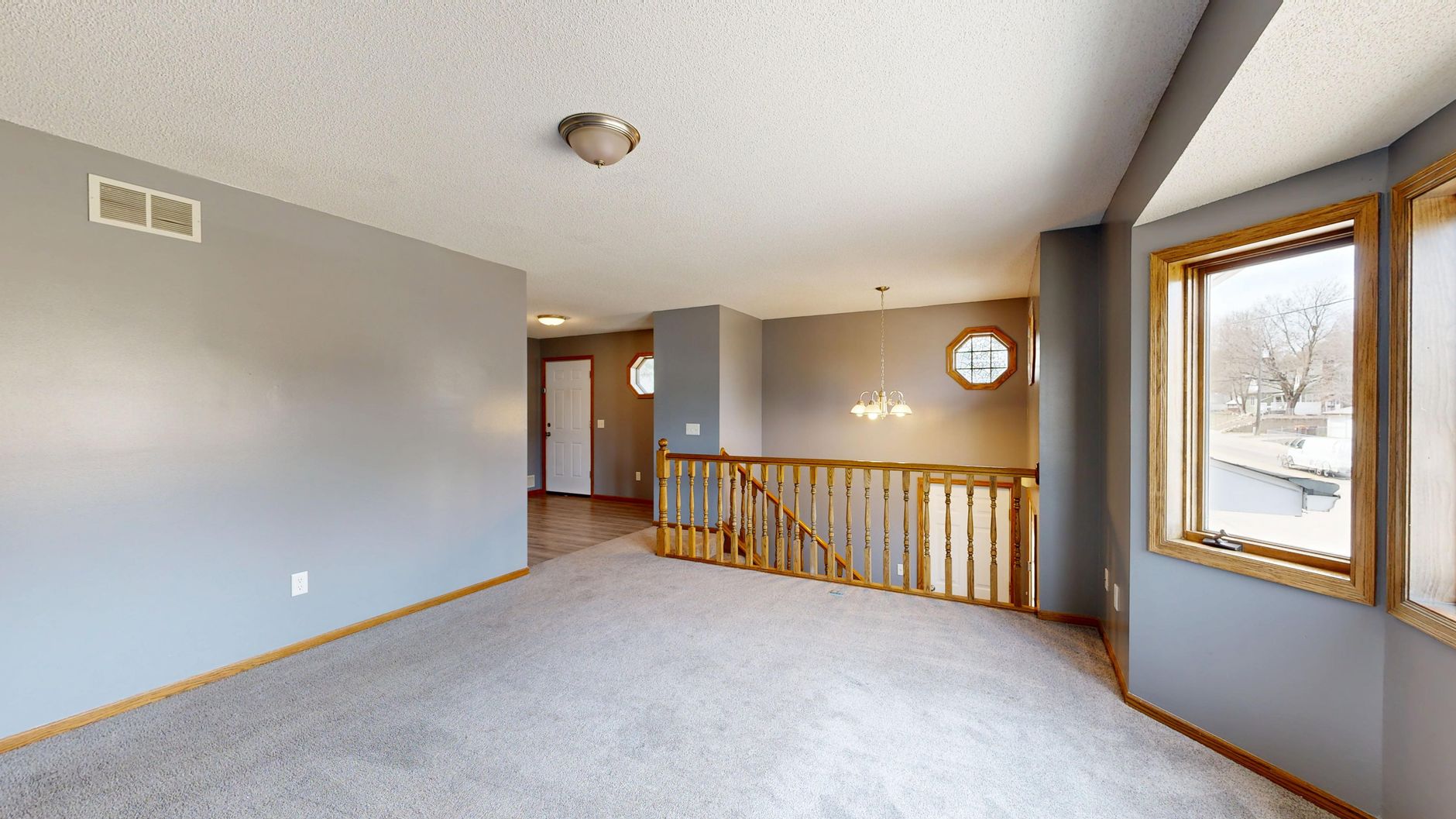
What’s in this guide
- Why interior painting Central Coast homes have unique considerations
- Cost breakdown for interior painting projects
- Choosing the right colours and finishes
- Finding qualified painters on the Central Coast
- Preparation work that makes the difference
- Common mistakes to avoid
- FAQ
Why interior painting Central Coast homes have unique considerations
The Central Coast’s coastal climate brings specific challenges that inland properties don’t face. Salt air, humidity, and temperature fluctuations can all affect paint performance and longevity. Homes closer to the waterfront—from Umina Beach to The Entrance—need paints formulated to resist moisture and prevent mould growth, particularly in bathrooms, laundries, and poorly ventilated bedrooms.
Many Central Coast homes are fibro or weatherboard construction from the 1970s and 80s, which means interior walls may have texture coatings or previous layers of oil-based paint. These surfaces require different preparation techniques compared to modern plasterboard. If you’re renovating an older home, expect your painter to spend extra time on prep work—filling cracks, sanding rough patches, and applying suitable primers.
Local council regulations generally don’t require approval for interior painting, but if you’re repainting a heritage-listed property in areas like Woy Woy or Gosford, check with Central Coast Council to confirm any heritage overlay requirements before you start.
Cost breakdown for interior painting projects
Interior painting costs on the Central Coast typically range from $25 to $55 per square metre for standard walls and ceilings, depending on the condition of surfaces, paint quality, and access. A three-bedroom home (approximately 150–180 square metres of paintable surface) will generally cost between $4,500 and $9,000 for a full interior repaint, including preparation, two coats, and minor repairs.
Here’s what influences your quote:
- Surface condition: Patching, sanding, and priming damaged or textured walls adds $8–$15 per square metre.
- Ceiling height: Standard 2.4-metre ceilings are priced at base rates; anything above 3 metres incurs scaffolding or extension pole surcharges.
- Paint grade: Budget interior paints start around $40–$60 per 4-litre tin; premium low-VOC or anti-mould formulations run $80–$120.
- Colour changes: Going from dark to light (or vice versa) usually requires an extra coat, adding 20–30% to labour costs.
- Trim and detail: Painting skirting boards, architraves, doors, and window frames separately adds $12–$20 per linear metre for gloss or semi-gloss finishes.
Most Central Coast painters quote per room or per project rather than hourly. If you’re getting an hourly rate, expect $50–$75 for a qualified tradesperson. For a comprehensive breakdown of broader Australian interior painting pricing, check out our interior painting pricing guide.
Choosing the right colours and finishes
Colour selection can make or break the feel of your home. In 2026, Central Coast homeowners are leaning toward warm neutrals—think greige, sandy beige, and soft terracotta—that complement the coastal environment without feeling too beachy or thematic. Whites remain popular, but cool stark whites are giving way to warmer off-whites with subtle cream or pink undertones.
When choosing your palette, consider:
- Natural light: North-facing rooms can handle cooler tones; south-facing spaces benefit from warmer hues to counteract dim light.
- Room size: Lighter colours make small rooms feel larger, while deeper shades add intimacy to expansive open-plan areas.
- Existing finishes: Your paint should harmonise with flooring, benchtops, and cabinetry. If you’ve invested in timber or hybrid flooring, avoid colours that clash with the undertones.
Finish is just as important as colour. Low-sheen and satin finishes are the workhorses for living areas and bedrooms—durable, easy to clean, and forgiving of minor wall imperfections. Bathrooms, laundries, and kitchens benefit from semi-gloss or gloss finishes that resist moisture and wipe down easily. Flat (matte) paint looks beautiful on ceilings and feature walls but shows marks and scuffs, so reserve it for low-traffic zones.
If you’re painting interior walls as part of a broader update, our guide to painting interior walls covers technique and product selection in detail.
Finding qualified painters on the Central Coast
The Central Coast has no shortage of painting contractors, but quality varies. Look for painters who hold current licencing (in NSW, painting work over $1,000 requires a NSW Fair Trading contractor licence), carry public liability insurance (minimum $10 million for trade work), and can provide recent references from local clients.
Ask potential painters:
- How long have you been operating on the Central Coast?
- Can you provide a detailed written quote that breaks down labour, materials, and any additional charges?
- What brands and product lines do you typically use, and why?
- How do you handle furniture protection, drop sheets, and clean-up?
- What’s your expected timeline, and do you guarantee your work?
Get at least three quotes and compare like-for-like. The cheapest bid often signals corners cut on prep work or lower-grade paint. A quality interior painting Central Coast job should come with a 12-month workmanship warranty and use premium or trade-grade paints that carry manufacturer guarantees.
Word-of-mouth recommendations from neighbours or local community groups (particularly Facebook groups for Central Coast renovators) can be gold. If you’re comparing quotes across different services, our interior painting rates guide offers national context on fair pricing.
Preparation work that makes the difference
Professional painters will tell you that 70% of a quality finish comes down to preparation. Skipping or rushing this stage leads to peeling, uneven colour, and visible imperfections within months.
Thorough prep includes:
- Cleaning: Walls must be free of dust, grease, and cobwebs. Kitchens and high-traffic areas often need a sugar-soap wash.
- Repairs: Filling nail holes, cracks, and dents with flexible filler; sanding smooth once dry.
- Priming: Bare plaster, patched areas, and stained sections need a coat of primer to ensure even paint absorption and colour consistency.
- Sanding: Lightly sanding glossy trim and previously painted surfaces improves paint adhesion.
- Masking: Quality masking tape on edges, switch plates, and fixtures prevents bleed and ensures crisp lines.
If your walls have texture coating (common in Central Coast homes built before 2000), discuss whether to skim-coat for a smooth modern finish or retain the texture. Skim-coating adds cost but significantly modernises the look.
DIY painters often underestimate prep time. A single room can require half a day of prep before the first brush stroke. If you’re tackling this yourself, invest in good tools: a quality roller frame and sleeves, angled cutting-brush, extended pole, and proper drop sheets (canvas, not plastic, which can be slippery).
Common mistakes to avoid
Even experienced DIYers and budget-conscious renovators can stumble. Here are the pitfalls to watch for:
Choosing paint based solely on price. Cheap paint requires more coats, has poorer coverage, and fades or yellows faster. Over a five-year span, premium paint often works out cheaper per year of life.
Skipping the primer. Primer seals porous surfaces, blocks stains, and improves topcoat adhesion. It’s essential on new plasterboard, patches, or when switching from dark to light colours.
Painting in poor conditions. High humidity or temperatures below 10°C can prevent paint from curing properly, leading to streaks, slow drying, and poor durability. Central Coast winters are generally mild, but avoid painting during extended rainy periods.
Not testing colours first. Paint swatches look different on a wall than on a card. Buy sample pots and paint a large patch (at least A3 size) in different areas of the room. Observe it in morning, midday, and evening light before committing.
Overloading the roller or brush. Too much paint causes drips, runs, and uneven texture. Load lightly and apply multiple thin coats rather than one heavy coat.
Ignoring ventilation. Even low-VOC paints emit fumes. Open windows, use fans, and keep the space well-ventilated during and after painting to speed drying and reduce odour.
Failing to protect floors and furniture. Paint splatters are tough to remove from carpet and timber. Use heavy-duty drop sheets and move furniture to the centre of the room, covering everything.
FAQ
How long does an interior painting Central Coast project take?
A typical three-bedroom house takes 3–5 days with a two-person team, including prep, two coats on walls and ceilings, and trim. Larger homes or those requiring extensive repairs can stretch to 7–10 days. Solo DIY projects usually take two to three times longer.
Do I need to move out while painting is underway?
Not usually. Painters can work room by room, allowing you to stay in the house. However, if you’re sensitive to paint odours or have young children, consider staying elsewhere for a night or two, especially during the primer and first-coat stages.
What’s the best time of year to paint interiors on the Central Coast?
Spring (September–November) and autumn (March–May) offer the most stable conditions—moderate temperatures and lower humidity. Summer can be too hot and humid near the coast, slowing drying times, while winter’s shorter days and occasional dampness can extend project timelines.
Can I paint over wallpaper?
It’s possible but not recommended. Wallpaper can bubble or peel under paint, especially in humid coastal climates. The best approach is to remove the wallpaper, repair and prime the wall, then paint. If removal isn’t feasible, use a high-adhesion primer designed for wallpaper and test a small section first.
How do I maintain freshly painted interiors?
Wait at least two weeks before washing painted walls to allow full curing. After that, wipe down marks with a damp microfibre cloth and mild detergent. Avoid abrasive cleaners that can dull the finish. Touch up scuffs and scratches promptly to prevent moisture ingress, especially in kitchens and bathrooms.
Next steps for your interior painting project
A well-executed interior painting Central Coast project breathes new life into your home, improves its appeal, and protects surfaces for years to come. Start by defining your scope—are you repainting the entire house, or just refreshing high-traffic areas? Gather quotes from at least three licensed painters, confirm they use quality products suited to the coastal environment, and don’t shy away from asking detailed questions about their process.
If you’re planning to DIY, invest in proper materials and allow plenty of time for preparation. The results will speak for themselves, and you’ll enjoy a refreshed, vibrant home that reflects your style and stands up to the Central Coast climate.
Comparing quotes? Once you have 2-3 in hand, drop them into our free Renovation Quote Comparator to see totals side-by-side and catch the common red flags automatically.
Related guides
For more on Australian renovation costs, see: