You’re staring at your dated Melbourne kitchen, wondering if a refresh is possible without draining your savings account. The good news? A budget kitchen renovation Melbourne project is absolutely achievable when you know where to spend, where to save, and how to work with the city’s specific requirements and tradespeople rates.
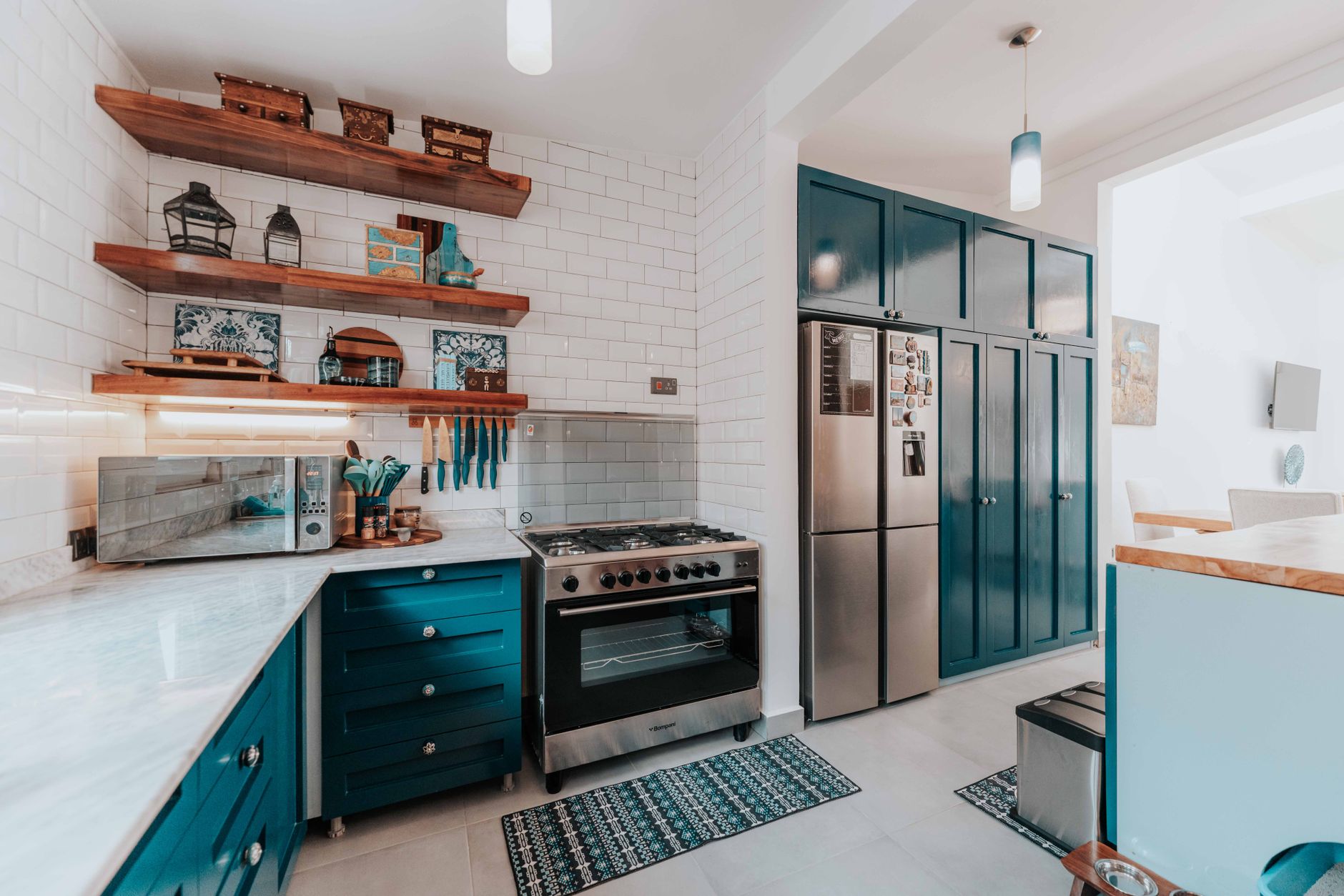
Melbourne homeowners face unique considerations—from council permit thresholds in different municipalities to the impact of weather delays on tradies’ schedules. Whether you’re in a Victorian terrace in Fitzroy, a weatherboard cottage in Reservoir, or a brick veneer in Berwick, this guide breaks down realistic costs and smart strategies for transforming your kitchen without overspending.
What’s in this guide
- What counts as a budget kitchen renovation in Melbourne
- Realistic budget kitchen renovation Melbourne costs
- Where to save money without compromising quality
- Melbourne-specific considerations and council requirements
- Common mistakes to avoid
- FAQ
What counts as a budget kitchen renovation in Melbourne
In Melbourne’s 2026 renovation market, a budget kitchen renovation typically sits in the $8,000–$18,000 range for a standard-sized kitchen (roughly 10–12 square metres). This is considerably lower than the average kitchen renovation cost across Australia, which often exceeds $25,000.
A budget approach means making strategic choices: you’re keeping the existing kitchen footprint to avoid plumbing and electrical relocation costs, selecting flat-pack or semi-custom cabinetry instead of fully bespoke joinery, and often taking on some DIY tasks like painting, removing old cabinets, or installing splashback tiles.
The scope typically includes new cabinet doors or full flat-pack cabinets, laminate or entry-level stone benchtops, a mid-range sink and tapware, basic splashback tiling, and possibly painting walls and ceilings. Most budget renovations retain the existing appliances or upgrade selectively—perhaps a new cooktop but keeping the current oven and rangehood.
You won’t get the marble benchtops and soft-close drawers of a premium renovation, but with careful planning you’ll achieve a dramatic visual transformation that adds genuine value to your Melbourne home.
Realistic budget kitchen renovation Melbourne costs
Here’s a breakdown of typical costs for a budget kitchen renovation Melbourne project in 2026, based on current tradie rates and supplier pricing across metropolitan Melbourne:
Cabinetry: $3,500–$7,000. Flat-pack cabinets from Bunnings, IKEA, or Kaboodle represent the budget end ($3,500–$5,000 installed), while semi-custom options from local suppliers in suburbs like Campbellfield or Dandenong South range from $5,500–$7,000. Cabinet refacing—keeping your existing boxes and replacing only doors and drawer fronts—can cost as little as $2,500–$4,000.
Benchtops: $800–$2,500. Laminate benchtops start around $800–$1,200 for a standard U-shaped kitchen. Entry-level engineered stone (20mm Quantum Quartz or similar) runs $1,800–$2,500 including templating, cutting, and installation. If you’re comparing options, remember that laminate has improved dramatically in appearance and durability over the past decade.
Splashback: $400–$1,200. Basic ceramic subway tiles (DIY installation) cost $400–$600 in materials. Having a tiler complete the job adds $500–$800 in labour. Acrylic or glass splashbacks offer a seamless look for $600–$1,200 installed.
Sink and tapware: $300–$800. A stainless steel undermount sink and chrome mixer tap from Bunnings or a plumbing wholesaler in Cheltenham or Bayswater typically costs $300–$500. Step up to a lightly branded option (Oliveri, Clark) for $500–$800.
Plumbing and electrical: $800–$2,000. If you’re not moving fixtures, budget $800–$1,200 for disconnecting and reconnecting. Any relocation of the sink, cooktop, or rangehood adds $1,500–$3,000+ depending on distances involved.
Painting: $400–$900. DIY paint and supplies cost $150–$300. Professional painters in Melbourne charge $400–$900 for a standard kitchen (walls, ceiling, and trim). Check Australian Bureau of Statistics construction cost data for regional price variations.
Removal and disposal: $300–$600. Skip bin hire in Melbourne suburbs costs $300–$450 for a 3–4 cubic metre bin, sufficient for most kitchen tearouts. Some renovation companies include removal in their quote.
For a complete budget renovation keeping the existing layout, expect a total outlay of $8,000–$18,000 depending on the quality tier you select and how much DIY work you’re comfortable tackling.
Where to save money without compromising quality
The smartest budget kitchen renovation Melbourne projects focus spending on high-impact, hard-to-change elements while economising on cosmetic details you can upgrade later.
Keep the existing layout: This is the single biggest cost-saver. Moving your sink, stove, or fridge adds $3,000–$8,000 in plumbing, electrical, and gas fitting fees. Unless your current layout is genuinely dysfunctional, work within the existing footprint.
Choose flat-pack over custom: IKEA and Kaboodle cabinets are engineered to high Australian standards and cost 40–60% less than custom joinery. Yes, you sacrifice some flexibility in sizing, but the quality gap has narrowed considerably. Many Melbourne kitchen installers specialise in flat-pack assembly and can complete the job in 1–2 days for $800–$1,500.
Reface instead of replace: If your existing cabinet boxes are structurally sound, cabinet refacing delivers a dramatic visual update for a fraction of replacement cost. Melbourne companies specialising in this service can transform a tired kitchen for $2,500–$5,000.
DIY demolition and painting: Removing old cabinets, disposing of them, and painting walls yourself saves $1,200–$2,000. Just ensure you turn off water and power before starting, and dispose of materials at a licensed waste facility (most Melbourne councils offer transfer stations).
Shop seconds and ex-display: Outlets in Moorabbin, Nunawading, and Campbellfield sell factory seconds, discontinued lines, and ex-display items at 30–50% discounts. Benchtop fabricators often have offcuts perfect for smaller kitchens.
Prioritise benchtops over appliances: A quality benchtop elevates the entire space and lasts 15–20 years. You can upgrade appliances gradually, but replacing a benchtop later means re-doing plumbing and potentially the splashback. Spend here, save on whitegoods.
Delay non-essential upgrades: New lighting, handles, or a feature pendant can be added later. Focus your budget on cabinets, benchtops, and splashback first—the structural bones of the renovation.
Melbourne-specific considerations and council requirements
Melbourne’s municipal councils each have slightly different requirements, but most budget kitchen renovations won’t trigger a planning permit because you’re not changing the building footprint or external appearance.
You typically don’t need council approval for cosmetic updates like new cabinets, benchtops, painting, or splashbacks. However, if your renovation includes structural work—removing a wall between kitchen and living areas, adding windows, or expanding the kitchen footprint—you’ll need a building permit and possibly a planning permit depending on your overlay zone (heritage, neighbourhood character, etc.).
For electrical and plumbing work, Melbourne regulations require licensed tradies. Even simple tasks like installing a new powerpoint or relocating a gas cooktop must be completed by a registered electrician or plumber who will issue a Certificate of Electrical Safety (COES) or compliance certificate. DIY electrical and plumbing work is illegal in Victoria and voids your home insurance.
Suburbs with heritage overlays (Carlton, Kew, South Yarra) have stricter rules. Even internal alterations in heritage homes sometimes require council sign-off. Check with your local council—City of Melbourne, Boroondara, Yarra, Bayside, or whichever municipality you’re in—before starting work.
Melbourne’s weather also affects renovation timing. Winter months (June–August) often see tradies’ schedules open up, and some offer quieter-season discounts of 5–10%. However, extended rain can delay external work like skip bin delivery or window replacement if your kitchen opens to the outside.
If you’re in Melbourne’s growth corridors—Wyndham, Melton, Casey—newer homes (post-2010) often have builder-grade kitchens that are prime candidates for budget upgrades. Meanwhile, older homes in inner suburbs like Coburg, Preston, and Footscray may have outdated plumbing or electrical that adds cost if modifications are needed.
Common mistakes to avoid
Underestimating the true cost of DIY: Installing flat-pack cabinets looks straightforward on YouTube, but uneven floors, out-of-square walls, and incorrect measurements can turn a weekend project into a month-long nightmare. If you lack carpentry experience, the $800–$1,500 for professional installation is money well spent.
Skimping on the benchtop: A cheap laminate benchtop can undermine an otherwise polished renovation. The benchtop is the kitchen’s visual centrepiece and the surface you touch most. Allocate 20–25% of your total budget here.
Ignoring the work triangle: Even on a budget, your kitchen should function well. The work triangle (sink, stove, fridge) should have sides totalling 4–7 metres. If your existing layout violates this badly, it might be worth the extra cost to relocate one element.
Choosing style over storage: Open shelving and glass-front cabinets look stunning in magazines, but most Melbourne families need enclosed storage to hide everyday clutter. Be realistic about your household’s habits.
Forgetting ventilation: Melbourne’s building code requires adequate kitchen ventilation. If your rangehood is broken or inadequate, factor $300–$800 for a replacement. Poor ventilation leads to condensation, mould, and lingering cooking odours.
Not getting multiple quotes: Tradie rates vary significantly across Melbourne. A cabinet installer in Doncaster might charge 20% more than one in Dandenong for identical work. Get at least three written quotes and check reviews on Google and product review sites.
Overlooking lighting: Budget renovations often neglect task lighting under cabinets. LED strip lights cost $80–$200 and transform functionality and ambiance. Consider battery-powered options if you want to avoid electrical costs.
FAQ
What’s the cheapest way to renovate a kitchen in Melbourne?
Cabinet refacing or repainting existing cabinets ($500–$2,500), combined with a laminate benchtop ($800–$1,200), new tapware ($150–$300), and a fresh coat of paint ($150–$400 DIY) can transform a kitchen for $2,000–$4,500. Add a peel-and-stick splashback or DIY subway tiles for another $200–$400. This approach works best when existing cabinets are structurally sound and the layout is functional.
Do I need council approval for a budget kitchen renovation in Melbourne?
Most budget kitchen renovations are exempt from planning permits because they don’t alter the building’s exterior or footprint. However, you must use licensed electricians and plumbers for any electrical or plumbing work, and they’ll issue compliance certificates. If you’re removing walls, adding windows, or your property has a heritage overlay, check with your local council before starting work.
How long does a budget kitchen renovation take in Melbourne?
A straightforward budget renovation keeping the existing layout typically takes 1–2 weeks. Demolition and disposal (1 day), cabinet installation (1–2 days), benchtop templating and installation (3–5 days after measuring), plumbing and electrical (1–2 days), splashback (1 day), and painting (1–2 days). Delays occur when custom elements are ordered or if tradespeople are booked out—common in Melbourne’s busy spring and summer renovation season (September–February).
Can I save money by buying materials myself in Melbourne?
Sometimes. If you have a tradie who’s happy to work with customer-supplied materials, you can save 10–20% by shopping sales at Bunnings, Reece, or wholesale outlets in Moorabbin and Campbellfield. However, many tradies prefer to supply materials because they get trade discounts you can’t access, and they’re not responsible if your purchased items are faulty or incorrect. Always confirm the arrangement in writing before purchasing.
What’s the best time of year to renovate a kitchen in Melbourne?
Winter (June–August) often offers better availability and occasional discounts as tradies’ schedules quiet down. However, if your kitchen renovation requires external access or temporary outdoor cooking, spring (September–November) or autumn (March–May) provide milder weather. Avoid planning major work around Christmas and January when many Melbourne tradies take extended breaks.
Is a budget kitchen renovation worth it for resale in Melbourne?
Absolutely. Real estate agents consistently rank kitchens as one of the top three factors influencing buyer decisions in Melbourne’s market. Even a modest $10,000–$15,000 budget renovation can add $20,000–$35,000 to your home’s value, particularly in middle-ring suburbs where buyers expect updated kitchens but aren’t necessarily looking for luxury finishes. The return on investment is strongest when the renovation suits the home’s overall price bracket.
A budget kitchen renovation Melbourne homeowners can be proud of comes down to smart choices, realistic expectations, and knowing where your money makes the biggest impact. With careful planning and a willingness to compromise on non-essentials, you can achieve a fresh, functional kitchen that serves your household well for years to come. Start by measuring your space accurately, gathering quotes from at least three local tradies, and deciding which tasks you’ll DIY versus hiring professionals—that clarity will keep your project on budget and on schedule.
Related guides
For more on Australian renovation costs, see:
- Ultimate Kitchen Renovation Melbourne Cost Guide 2026
- Best Average Kitchen Renovation Cost Australia 2026
- Ultimate Brisbane Kitchen Renovation Cost Guide 2026
- Best Small Kitchen Renovation Cost Australia Guide 2026
- Kitchen Renovation Cost Melbourne: Ultimate 2026 Guide
- Best Budget Kitchen Renovation Sydney Guide 2026
- Best Kitchen Appliance Installation Melbourne Guide 2026