You’ve decided it’s time to stop working around that outdated kitchen layout, replace those tired cabinets, and finally create the cooking and entertaining space you’ve been dreaming about. A full kitchen renovation cost is one of the biggest investments you’ll make in your home, but understanding where your money goes—and how to get the best value—can turn a daunting project into an exciting transformation.
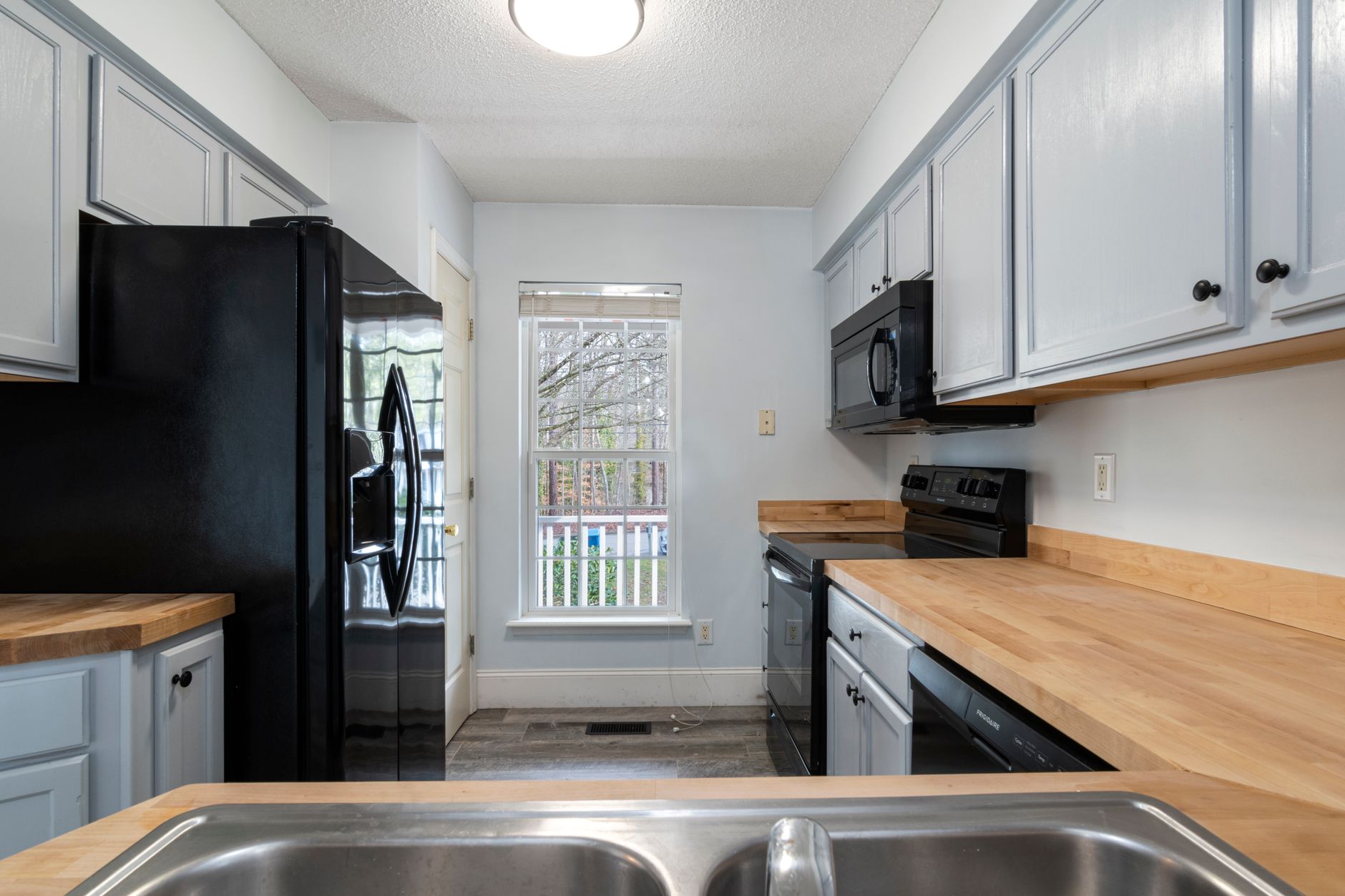
What’s in this guide
- What is a full kitchen renovation?
- Full kitchen renovation cost breakdown
- Key factors that influence total cost
- Budgeting tips for your full kitchen renovation
- Common mistakes to avoid
- FAQ
What is a full kitchen renovation?
A full kitchen renovation involves stripping the space back to the bare walls and floor—often called a “complete remodel”—and rebuilding from scratch. This typically includes new cabinetry, benchtops, appliances, plumbing, electrical work, flooring, splashbacks, and sometimes structural changes like removing walls or relocating doors and windows.
Unlike a cosmetic update (repainting cabinets or swapping handles), a full kitchen renovation cost reflects the labour and materials required to reconfigure layouts, upgrade services to meet current Building Code of Australia (BCA) standards, and install entirely new fittings. If you’re moving your sink, stove, or adding an island bench, expect plumbing and electrical relocation costs to add significantly to your budget.
Most Australian homeowners undertake a full renovation when the existing kitchen is non-functional, the layout is awkward, or major appliances and services have reached end-of-life. It’s also common when buying an older property—Queenslander homes and 1970s brick veneers often retain original kitchens that require complete overhauls to suit modern lifestyles.
Full kitchen renovation cost breakdown
Across Australia in 2026, a typical full kitchen renovation cost ranges from $25,000 to $75,000, with luxury projects exceeding $100,000. The final figure depends on kitchen size, material choices, structural complexity, and your location. Below is a detailed breakdown of where each dollar typically goes.
Cabinetry and joinery
Cabinets are usually the largest single line item, accounting for 30–40% of your total budget. Flat-pack options from major hardware stores start around $5,000–$10,000 for a standard 10–15 m² kitchen, while custom joinery can reach $20,000–$40,000 or more. Factors include:
- Material: laminate is most affordable; polyurethane, two-pack paint, and timber veneers sit mid-range; solid timber commands premium pricing.
- Hardware: soft-close drawers, push-to-open mechanisms, and concealed hinges add $1,000–$3,000.
- Storage solutions: pull-out pantries, corner carousels, and drawer dividers increase functionality and cost.
Benchtops
Expect to allocate $2,500–$8,000 depending on material and linear metres. Popular choices in 2026 include:
- Laminate: $150–$300/m² installed—budget-friendly, wide colour range.
- Engineered stone (quartz): $400–$700/m²—durable, low-maintenance, on-trend.
- Natural stone (granite, marble): $600–$1,200/m²—premium aesthetics, requires sealing.
- Solid timber or bamboo: $500–$900/m²—warm look, needs regular oiling.
Appliances
A complete appliance package (cooktop, oven, rangehood, dishwasher, sink, and tap) typically costs $4,000–$15,000. Entry-level brands cluster around $4,000–$6,000, while European brands (Miele, Bosch, SMEG) and integrated models push toward $10,000–$15,000. Don’t forget installation: gas cooktops require a licensed gasfitter (around $300–$600), and rangehood ducting can add $500–$1,500 if external venting is needed.
Plumbing and electrical
Relocating sinks, dishwashers, or adding a new water point for a fridge costs $800–$2,500 per fixture. Electrical upgrades—new circuits for ovens, additional power points, under-cabinet lighting, and pendant fittings—range from $1,500–$4,000. Older homes may need switchboard upgrades to handle modern appliance loads, adding another $1,500–$3,000. All work must comply with AS/NZS 3000 (electrical) and AS/NZS 3500 (plumbing) standards.
Flooring
Kitchen flooring needs to be durable, water-resistant, and easy to clean. Budget $1,500–$5,000 for materials and installation across a typical 10–15 m² space:
- Porcelain or ceramic tiles: $50–$150/m² installed—popular, hard-wearing.
- Luxury vinyl plank (LVP): $40–$100/m² installed—water-proof, softer underfoot; learn more about LVP options.
- Engineered timber: $80–$180/m² installed—warm aesthetic, requires careful sealing in wet areas.
Splashback and tiling
Splashbacks protect walls and add visual impact. Costs range from $800–$4,000:
- Ceramic subway tiles: $60–$120/m² installed.
- Glass splashbacks: $300–$600/m²—seamless, easy to clean.
- Natural stone or feature tiles: $150–$400/m²—statement pieces in premium kitchens.
Labour and project management
Tradespeople typically charge 20–30% of the total project cost. For a $50,000 renovation, labour might be $10,000–$15,000. If you engage a kitchen designer or renovation project manager, expect design fees of $1,500–$5,000 and project management around 10–15% of the build cost. Licensed builders often bundle labour, materials, and coordination into a fixed-price contract, which simplifies budgeting and risk.
Miscellaneous and contingency
Always set aside 10–15% for unforeseen issues: hidden water damage, asbestos sheeting in older homes (removal costs $50–$150/m²), or structural timber that needs sistering. Permits and certification—building approval, electrical compliance certificates—add $500–$1,500 depending on your council.
Key factors that influence total cost
Understanding what drives your full kitchen renovation cost helps you make informed trade-offs and prioritise spending where it matters most.
Kitchen size and layout complexity
A compact galley kitchen (8–10 m²) will cost less than an open-plan space with an island (15–20 m²). Relocating the sink or stove increases plumbing and electrical runs, while removing a load-bearing wall requires an engineer’s certificate and steel beam installation (typically $3,000–$8,000).
Material and finish selection
Your choice of cabinetry, benchtops, and appliances has the single biggest impact on budget. Mixing tiers—premium benchtop with flat-pack cabinets, or mid-range cabinetry with a statement splashback—lets you balance aesthetics and cost. In 2026, many Australians are choosing engineered stone benchtops and polyurethane doors for a high-end look without the solid-timber price tag.
Location and access
Metropolitan tradies in Sydney and Melbourne charge 10–20% more than regional areas. High-rise apartments with restricted access, small lifts, or weekend-only work windows can add 15–25% to labour costs due to logistics and longer install times.
Structural and compliance work
Homes built before 1990 may require rewiring, updated exhaust ventilation to meet BCA Section 3.8.5 (mechanical ventilation), or waterproofing under new tile floors. Asbestos testing and removal, common in pre-1987 builds, is non-negotiable and must be handled by licensed removalists.
DIY versus professional installation
Savvy DIYers can save 20–30% by handling demolition, painting, and flat-pack assembly themselves. However, plumbing, gas, and electrical work must be completed by licensed tradespeople to meet Australian standards and maintain insurance coverage. Incorrectly installed gas cooktops or faulty wiring are serious safety risks and can void warranties.
Budgeting tips for your full kitchen renovation
Smart planning and strategic spending ensure you get maximum value without blowing your budget. Here’s how to approach your full kitchen renovation cost with confidence.
Get multiple detailed quotes
Request at least three itemised quotes from licensed builders or kitchen specialists. Compare not just the bottom line but what’s included: demolition, waste removal, electrical certification, and warranty terms. The CHOICE website offers advice on vetting tradespeople and understanding contracts.
Prioritise function over trend
Timeless layouts and neutral palettes have better resale appeal and longer lifespans than trendy colours or niche finishes. Invest in quality where it counts—soft-close hinges, solid benchtops, good lighting—and economise on areas you can easily update later, like handles and paint.
Plan your layout to minimise service relocation
Keeping your sink, cooktop, and dishwasher close to existing plumbing and gas points can save $2,000–$5,000. If your current layout is functional, refresh it with new finishes rather than reconfiguring from scratch. For broader kitchen budgeting context, explore our kitchen renovation cost guide for Australia.
Shop sales and clearance for appliances
End-of-financial-year sales (June–July) and Black Friday (November) offer 15–30% discounts on quality appliances. Floor-stock and previous-year models deliver the same performance at significantly lower prices.
Consider phased upgrades
If cash flow is tight, stage your renovation: cabinetry and benchtops first, then appliances and flooring a few months later. Just ensure rough-in plumbing and electrical are completed in phase one to avoid double-handling and extra call-out fees.
Set a realistic contingency
Allocate 10–15% of your total budget for unknowns. Renovation projects almost always uncover surprises—rotted floor joists, outdated wiring, or incorrectly sized doorways. A contingency fund keeps the project on track without forcing you into hasty, expensive decisions.
Common mistakes to avoid
Even well-planned projects can hit snags. Here are the pitfalls to watch for when budgeting your full kitchen renovation cost.
Underestimating demolition and disposal costs: Removing old cabinets, benchtops, and tiles generates a skip bin’s worth of waste. Budget $500–$1,500 for skip hire and council fees—some councils require permits for kerbside bins.
Choosing style over storage: Open shelving and handleless doors look sleek but may not suit busy family kitchens. Ensure your design includes enough deep drawers, pantry space, and functional zones (prep, cook, clean) to avoid daily frustration.
Ignoring ventilation requirements: The BCA mandates mechanical exhaust or openable windows in kitchens. Ducted rangehoods must vent externally or use high-quality recirculating filters. Skimping here leads to condensation, mould, and poor air quality.
Overlooking lighting layers: A single ceiling downlight won’t cut it. Plan for task lighting (under-cabinet strips), ambient lighting (pendants or recessed), and accent lighting (in-cabinet LEDs). Good lighting costs $800–$2,500 but transforms usability and mood.
Skipping the designer or detailed plan: Jumping straight to trades without a scaled floor plan, elevations, and electrical layout invites costly mistakes and rework. A $1,500–$3,000 design fee often saves $5,000+ in change orders and fixes.
Not checking warranties and certifications: Ensure your builder is licensed, insured, and provides compliance certificates for electrical and plumbing work. Warranties on cabinetry, benchtops, and appliances should be documented in writing before you hand over final payment.
FAQ
What is the average full kitchen renovation cost in Australia in 2026?
The typical full kitchen renovation cost ranges from $25,000 to $75,000, depending on size, materials, and location. Budget kitchens with flat-pack cabinets and laminate benchtops start around $20,000, while high-end custom projects with premium appliances and stone benchtops can exceed $100,000.
How long does a full kitchen renovation take?
Most full kitchen renovations take 4–8 weeks from demolition to final install. Simple layouts with minimal structural work may complete in 3–4 weeks, while complex projects involving wall removal, new windows, or structural steel can stretch to 10–12 weeks. Factor in additional time for design, approvals, and material lead times.
Do I need council approval for a full kitchen renovation?
Minor renovations (new cabinets, appliances, finishes) typically don’t require a building permit. However, if you’re removing or altering load-bearing walls, changing window or door sizes, or significantly altering plumbing and drainage, you’ll need council approval and may require an engineer’s report. Check with your local council early—most have online planning tools and fact sheets. The Australian Building Codes Board provides national guidelines.
Can I save money by doing some of the work myself?
Yes. Demolition, painting, flat-pack assembly, and tiling (if you’re confident) can save 15–25% on labour. However, all plumbing, gas fitting, and electrical work must be completed by licensed tradespeople to comply with Australian standards and maintain home insurance validity. DIY electrical or gas work is illegal and dangerous.
What’s the most cost-effective way to reduce my full kitchen renovation cost?
Keep the existing layout to avoid relocating plumbing and gas; choose flat-pack or semi-custom cabinets over bespoke joinery; opt for engineered stone or laminate benchtops instead of natural stone; and handle demolition and finishing touches yourself. Buying appliances during sales and reusing serviceable items (like a good-quality sink or tap) also trims costs without compromising quality.
How do I know if my quote is fair?
Compare at least three detailed, itemised quotes and check each tradesperson’s licence and insurance. Quotes should break down materials, labour, and inclusions (demolition, waste, certification). Be wary of quotes significantly lower than others—they may exclude key items or indicate substandard materials. Online forums, the Housing Industry Association (HIA), and CHOICE offer benchmarking tools and contract advice.
A full kitchen renovation is a substantial investment, but with careful planning, transparent quotes, and smart material choices, you can create a beautiful, functional space that adds lasting value to your home. Take the time to research, set a realistic budget with contingency, and work with licensed professionals who understand Australian building standards. The result will be a kitchen you’ll love for decades to come.
Related guides
For more on Australian renovation costs, see: