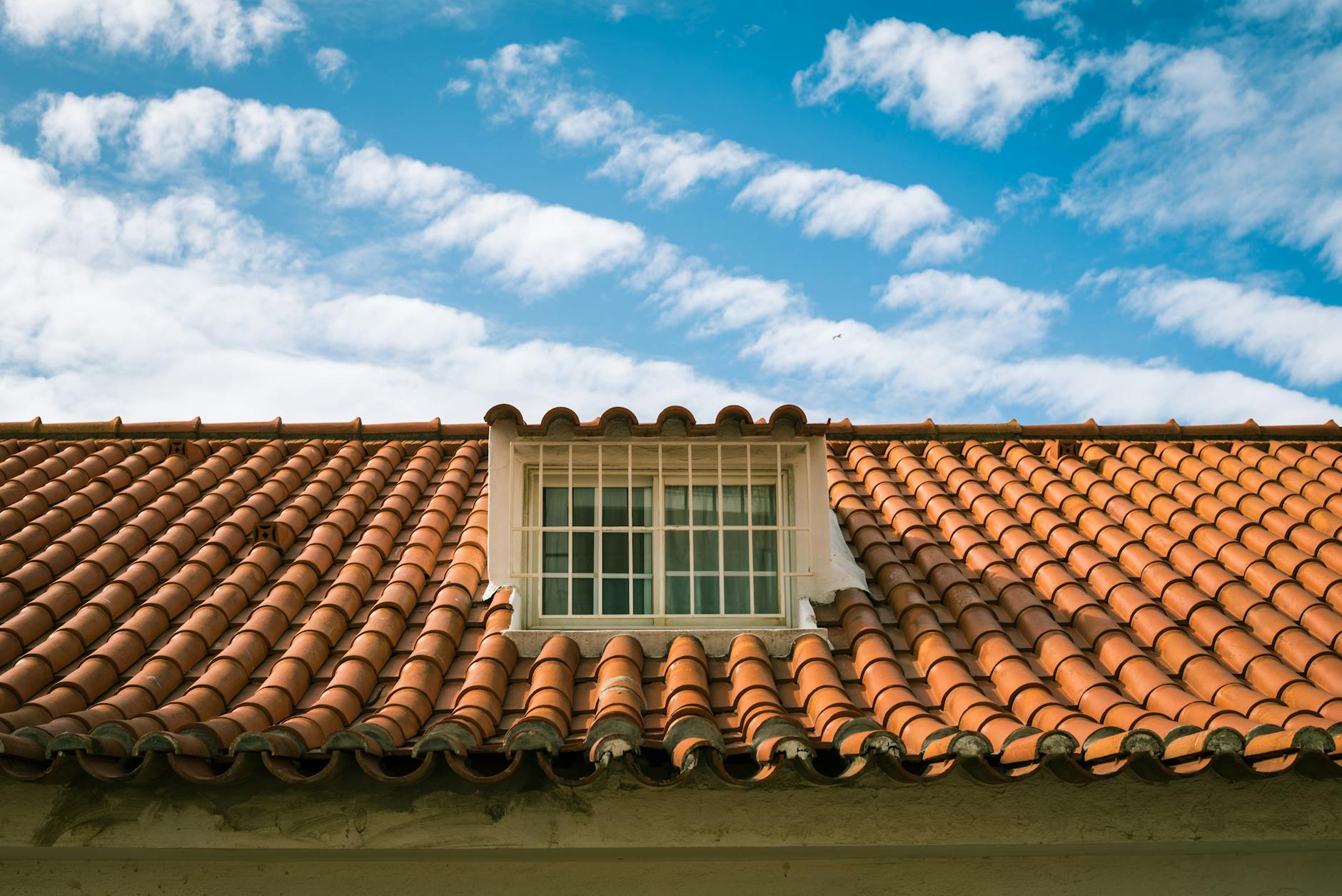
Your once-vibrant terracotta tiles now look faded and worn, making your whole home feel tired. Before you start pricing a full roof replacement, tile roof painting might be the affordable facelift your property needs. This restoration technique can add 10–15 years to your roof’s lifespan while dramatically improving your home’s kerb appeal and market value.
What’s in this guide
- What is tile roof painting?
- Benefits of tile roof painting
- Cost breakdown and pricing factors
- The tile roof painting preparation process
- DIY vs professional tile roof painting
- Common mistakes to avoid
- Frequently asked questions
What is tile roof painting?
Tile roof painting involves applying specialised roof coatings to concrete or terracotta tiles to restore their appearance and protect them from weathering. Unlike standard house paints, roof coatings are formulated to withstand extreme UV exposure, temperature fluctuations, and harsh Australian weather conditions.
The process typically includes thorough cleaning with high-pressure water, repairing broken or cracked tiles, applying a primer or sealer, and finishing with two coats of acrylic or membrane-based roof paint. Quality systems also include flexible sealants along ridge caps and valleys to prevent water penetration.
Modern roof paints contain UV inhibitors, mould-resistant additives, and heat-reflective pigments that can reduce your roof surface temperature by 10–20 degrees. This not only protects the tiles but can lower cooling costs during Australian summers, particularly in northern climates.
According to Australian Building Codes Board guidelines, roof coatings must meet specific standards for fire resistance and durability, especially in bushfire-prone areas with BAL (Bushfire Attack Level) ratings. Always verify your chosen product complies with local requirements.
Benefits of tile roof painting
Tile roof painting delivers multiple advantages beyond simple aesthetics. First and foremost, it creates a protective barrier that seals porous tile surfaces, preventing water absorption that leads to cracking during freeze-thaw cycles or in coastal salt-air environments.
The financial benefits are substantial. A quality tile roof painting job costs roughly 30–40% of a complete roof replacement, yet can extend your roof’s functional life by 10–15 years. For a typical suburban home with 200 square metres of roof area, you’re looking at $4,000–$8,000 for painting versus $15,000–$30,000 for replacement.
Energy efficiency improvements are measurable. Heat-reflective roof coatings can reduce attic temperatures by 15–25%, which translates to lower air conditioning costs. The Australian Bureau of Statistics reports that cooling costs represent approximately 20–40% of household energy bills in warmer states, so even modest reductions add up over time.
Kerb appeal and property value also see significant boosts. Real estate agents consistently report that fresh roof appearance is one of the first things potential buyers notice. A well-maintained, freshly painted roof can add $15,000–$30,000 to your property’s perceived value, far exceeding the initial investment.
If you’re considering other exterior improvements, roof painting costs across Australia vary by region and roof type, so it’s worth comparing quotes from multiple specialists in your area.
Cost breakdown and pricing factors
In 2026, professional tile roof painting typically costs $45–$75 per square metre for a complete job including preparation, repairs, and coating. For an average Australian home with 150–200 square metres of roof, expect to pay $6,750–$15,000 depending on complexity and roof condition.
Several factors influence the final price. Roof pitch and accessibility are major considerations—steep roofs require additional safety equipment and scaffolding, which can add $1,500–$3,000 to your quote. Two-storey homes always cost more than single-storey due to access challenges.
Tile condition matters significantly. If 10–20% of your tiles need repair or replacement before painting, budget an extra $15–$25 per tile for ceramic or concrete, or $25–$45 per tile for terracotta. Extensive repairs can add $2,000–$4,000 to your project.
Paint quality varies widely. Budget acrylic roof paints cost $30–$50 per litre and may last 5–7 years, while premium membrane systems cost $80–$120 per litre but offer 12–15 year warranties. For a 180-square-metre roof, paint alone can range from $800 to $2,500.
Geographic location creates price variations. Sydney and Melbourne metro areas typically charge 15–25% more than regional centres due to higher labour costs and compliance requirements. Coastal homes may need specialised anti-corrosion primers that add $500–$1,200 to the job.
Additional services like valley replacement, ridge capping re-bedding, or gutter cleaning often bundle with painting. Re-bedding all ridge caps costs $35–$65 per metre, while valley replacement runs $85–$150 per metre—both highly recommended when investing in roof painting.
The tile roof painting preparation process
Proper preparation accounts for 60–70% of a successful tile roof painting outcome. The first step involves comprehensive high-pressure cleaning at 3,000–4,000 PSI to remove decades of dirt, moss, lichen, and loose material. This process typically takes a full day for an average home and must be followed by 24–48 hours drying time.
After cleaning, professionals conduct a thorough tile inspection, walking every section to identify cracks, breaks, or movement. Damaged tiles get replaced or repaired with flexible sealants. Ridge caps and valleys receive particular attention—loose or cracked mortar gets removed and replaced with modern flexible pointing compounds that accommodate thermal expansion.
Next comes primer application, which varies by tile type. Terracotta tiles often need a specialised primer that penetrates deep into the porous surface, while concrete tiles may use a different formulation. The primer creates adhesion for topcoats and seals the tile surface to prevent moisture absorption.
Once primed, the first coat of roof paint is applied using airless spray equipment for even coverage. Professional applicators work in sections, ensuring consistent mil thickness (typically 250–400 microns wet). After 4–6 hours drying time, the second coat goes on, building total dry film thickness to 150–250 microns for long-term protection.
Final steps include applying flexible sealants along all ridge caps, hips, and valleys. These specialised polyurethane or silicone-based products remain flexible through temperature changes, preventing water entry at vulnerable junctions. Quality contractors also clean gutters and downpipes, ensuring proper drainage after painting.
Weather plays a crucial role in timing. Tile roof painting requires at least three consecutive dry days with temperatures between 10–35°C. Most Australian regions offer optimal conditions during spring and autumn, though northern Queensland and Perth can paint year-round outside cyclone and wet seasons.
DIY vs professional tile roof painting
DIY tile roof painting can save 50–60% on labour costs, but requires significant equipment investment and carries substantial risks. You’ll need a quality high-pressure cleaner ($300–$800), safety harness and anchor points ($200–$500), extension ladder ($150–$400), airless paint sprayer ($400–$1,200), and appropriate scaffolding or roof brackets for safe access.
Time commitment is considerable. An experienced DIYer might spend 40–60 hours on a typical home—cleaning takes 1–2 days, repairs another day, and painting 2–3 days across two coats. Factor in learning curves, weather delays, and the physical demands of working at height in Australian sun.
The risk-versus-reward calculation shifts dramatically when you consider safety. According to Safe Work Australia data, falls from roofs account for 25–30% of construction-related fatalities. Working on a pitched tile roof above four metres requires specific training and equipment that most homeowners lack. Insurance typically won’t cover injuries sustained during DIY roofing work.
Quality concerns present another challenge. Professional roof painters understand how weather, humidity, and surface temperature affect application. They recognise which tiles need replacement versus repair, and they carry warranties backing their workmanship for 5–10 years. DIY mistakes often don’t appear until the first heavy rain reveals inadequate sealing or poor coverage.
That said, limited DIY involvement can make sense. Homeowners comfortable with heights might handle high-pressure cleaning and minor tile repairs, then hire professionals for primer and paint application. This hybrid approach can save $1,500–$2,500 while leaving technical work to experts.
For those tackling broader exterior updates, understanding house painting costs in Melbourne or Sydney house painting expenses helps budget multiple projects simultaneously, potentially securing better contractor rates for combined work.
Common mistakes to avoid
The single biggest mistake homeowners make with tile roof painting is choosing contractors based solely on price. Ultra-low quotes almost always indicate shortcuts—inadequate surface preparation, single-coat application, or inferior paint products. These jobs fail within 2–3 years, requiring complete redoing at additional expense.
Skipping tile repairs before painting creates false economy. Painting over cracked or broken tiles simply hides problems temporarily. Within months, water penetrates damaged areas, causing leaks and compromising the paint system. Always repair or replace defective tiles before any coating goes on.
Using standard exterior house paint instead of specialised roof coatings is a costly error. Roof surfaces experience far more intense UV exposure, thermal cycling, and weather abuse than walls. House paints break down quickly on roofs, often failing within 12–18 months with peeling, chalking, and colour fade.
Painting in unsuitable weather conditions guarantees poor results. Applying roof paint when rain threatens within 24 hours, during extreme heat above 35°C, or when morning dew hasn’t fully evaporated leads to adhesion failures, blistering, and uneven coverage. Patience with weather pays off in longevity.
Neglecting to re-bed ridge caps and seal valleys while painting misses a critical opportunity. These vulnerable points are already exposed during the painting process—skipping proper sealing invites leaks that will eventually damage roof timbers and ceilings. The incremental cost of doing it right is minor compared to future repair bills.
Failing to check contractor licensing and insurance creates liability nightmares. In most Australian states, roof work above two storeys requires specific licensing. Always verify current licenses through your state regulator, and confirm contractors carry minimum $10 million public liability insurance and current workers compensation coverage.
Finally, many homeowners don’t obtain written warranties. Reputable contractors provide 5–10 year workmanship warranties and can supply manufacturer warranties for paint products. Get everything in writing before work begins, specifying exactly what’s covered and for how long.
Frequently asked questions
How long does tile roof painting last?
Quality tile roof painting typically lasts 10–15 years when properly applied with premium products. Budget systems may only deliver 5–7 years. Longevity depends on paint quality, surface preparation, climate exposure, and roof pitch. Coastal environments and areas with extreme weather may see slightly shorter lifespans, while protected inland locations often exceed 15 years. Regular maintenance like gutter cleaning and immediate repair of any damage extends coating life significantly.
Can I paint my tile roof myself to save money?
While DIY tile roof painting is technically possible, it’s generally not recommended unless you have professional-level equipment, safety training, and experience working at heights. The safety risks are substantial, with falls from roofs causing serious injuries annually. Additionally, improper application techniques, inadequate surface preparation, or wrong product selection often result in premature failure requiring expensive re-coating. If attempting DIY, limit yourself to single-storey, low-pitch roofs and invest in proper safety equipment including harnesses and anchor points.
What’s the best time of year to paint a tile roof in Australia?
Spring and autumn offer ideal conditions across most of Australia, with moderate temperatures (15–28°C) and lower rainfall probability. Avoid summer in northern regions due to extreme heat and wet season storms. Southern states can paint during mild winter periods between rain systems. The key requirements are three consecutive dry days, temperatures between 10–35°C, and low humidity. Always check your specific region’s weather patterns—Perth and Brisbane have different optimal windows than Melbourne or Hobart.
Will painting my tile roof reduce cooling costs?
Yes, particularly with heat-reflective roof coatings. Light-coloured, solar-reflective paints can reduce roof surface temperatures by 10–20 degrees compared to dark, aged tiles. This translates to 5–15% reductions in cooling costs depending on your home’s insulation, ceiling space ventilation, and climate zone. The effect is most pronounced in Queensland, Northern Territory, and Western Australia where cooling represents a major energy expense. Darker colours provide less heat reflection but still improve on faded, heat-absorbing aged tiles.
Do I need council approval to paint my tile roof?
Generally, painting your tile roof in the same or similar colour doesn’t require council approval in most Australian jurisdictions, as it’s considered maintenance rather than alteration. However, changing to a dramatically different colour, especially in heritage areas, heritage-listed properties, or homes with restrictive covenants, may require approval. Strata properties and townhouses almost always need body corporate permission. Always check with your local council and review any property covenants before proceeding. In bushfire-prone areas, ensure your chosen coating meets BAL rating requirements.
Tile roof painting represents one of the smartest investments you can make in your home’s exterior. With proper preparation, quality products, and experienced contractors, you’ll enjoy a refreshed appearance, enhanced protection, and significant cost savings compared to roof replacement. Take time to gather multiple detailed quotes, verify credentials, and select contractors who prioritise preparation and use premium coating systems. Your roof works hard protecting your home—returning the favour with professional painting ensures it continues that job for another decade or more.
Related guides
For more on Australian renovation costs, see: