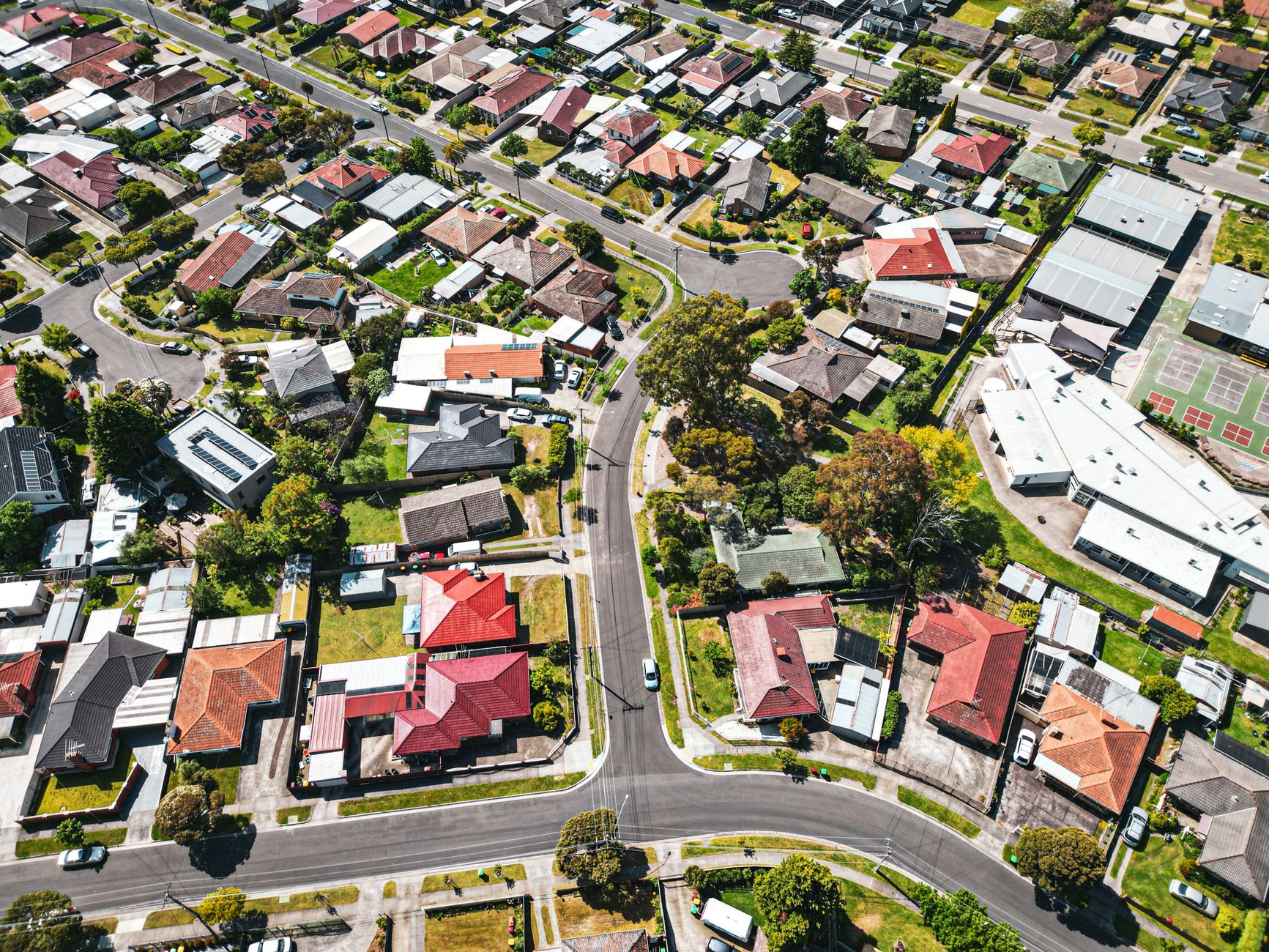
Melbourne’s weather throws everything at your roof—scorching summers, icy winters, and unpredictable downpours that test even the toughest materials. If your tiles are faded, your metal roof is showing rust spots, or you’re simply after a fresh look, roof painting Melbourne can transform your home’s exterior while adding years of protection. Done properly, it’s one of the most cost-effective ways to boost kerb appeal and defend against Melbourne’s climate extremes.
What’s in this guide
- Why paint your roof in Melbourne
- Cost of roof painting Melbourne
- Roof types and paint compatibility
- Preparation and painting process
- Choosing the right roof colour for Melbourne
- Common mistakes to avoid
- FAQ
Why paint your roof in Melbourne
Roof painting Melbourne isn’t just cosmetic. The city’s UV index regularly hits extreme levels in summer, causing rapid colour fade and surface degradation on unprotected tiles and metal. Winter brings wet, cold conditions that encourage moss and lichen growth, particularly in shaded areas common across suburbs like Camberwell, Glen Iris, and the leafy eastern corridors.
A quality paint system seals porous tiles, preventing water ingress that leads to cracking during freeze-thaw cycles. On metal roofs, specialised coatings inhibit rust and extend the lifespan by a decade or more. Energy efficiency also improves: light-coloured roof paints can reflect up to 70% of solar heat, reducing cooling costs during Melbourne’s 35°C+ summer days.
Beyond protection, roof painting Melbourne offers an instant visual lift. A tired Edwardian cottage in Brunswick or a 1970s brick veneer in Rowville can look decades newer with the right colour choice. When you’re preparing to sell, a freshly painted roof often returns more than its cost in perceived value—buyers notice kerb appeal the moment they pull up.
Cost of roof painting Melbourne
Expect to pay between $3,500 and $8,000 for a standard single-storey home (120–180 m² roof area) in Melbourne during 2026. Two-storey homes or complex roof lines with multiple valleys and hips push costs toward $8,000–$12,000. Pricing breaks down roughly as follows:
- Terracotta or concrete tiles: $50–$70 per m² including high-pressure cleaning, repairs, primer, and two coats of acrylic membrane paint
- Metal (Colorbond or Zincalume): $45–$65 per m² with rust treatment, etch primer, and UV-stable topcoats
- Additional costs: Ridge capping re-bedding and re-pointing ($35–$50 per metre), gutter cleaning ($150–$300), scaffolding or harness hire for steep pitches ($800–$1,500)
Inner-city suburbs such as Richmond, Carlton, and South Yarra tend to sit at the higher end due to access constraints—narrow laneways, heritage overlays, and permit requirements. Outer suburbs like Cranbourne, Pakenham, or Melton often see keener pricing as contractors have easier site access and lower overheads.
Always request itemised quotes that separate cleaning, repairs, primer, and topcoats. Some contractors quote a suspiciously low figure then add “extras” once work begins. A reputable roof painting Melbourne specialist will provide a detailed scope, including the brand and product code of every paint used, so you can verify warranties.
Roof types and paint compatibility
Melbourne homes feature a mix of roof materials, each with specific preparation and product requirements. Understanding compatibility ensures the paint adheres properly and lasts.
Terracotta and concrete tiles
These porous surfaces need thorough cleaning to remove efflorescence, moss, and old sealers. High-pressure washing at 3,000+ psi is standard, followed by a biocide treatment. Cracked or broken tiles should be replaced before painting—Melbourne’s National Construction Code requires roofs to maintain weather-tightness, and painting over damaged tiles only masks the problem.
Acrylic membrane paints are the go-to for tiles. These flexible coatings expand and contract with temperature swings without cracking. Expect a primer coat (often tinted to match the topcoat) plus two finish coats for even coverage and UV protection.
Metal roofs (Colorbond and Zincalume)
Metal roofing dominates new builds and renovations across Melbourne. Colorbond already has a factory finish, but after 15–20 years the colour dulls and minor surface rust appears. Zincalume (unpainted galvanised steel) oxidises faster, especially near the coast or in high-pollution areas.
Preparation involves degreasing, rust removal with a wire brush or sanding, and an etch primer to promote adhesion. Two-pack epoxy or polyurethane topcoats deliver superior durability compared to standard acrylics. These products resist chalking and maintain gloss for 10+ years, making them worth the premium for roof painting Melbourne projects.
Asbestos cement (fibro)
Pre-1980s homes may have asbestos cement roofs. Painting is allowed—and often encouraged to encapsulate fibres—but high-pressure washing is prohibited. Licensed asbestos assessors must confirm the roof is stable, and only low-pressure misting or hand scrubbing is permitted. If you’re unsure, arrange an inspection before accepting any roof painting Melbourne quote.
Preparation and painting process
Quality roof painting Melbourne jobs spend as much time on prep as on painting. Rush this stage and you’ll see peeling within a year.
- Inspection: The contractor walks the roof, noting broken tiles, rusted fasteners, lifted ridge caps, and blocked valleys. Any structural issues—sagging battens, rotted timber—must be repaired first.
- Cleaning: High-pressure washing removes dirt, lichen, and loose material. For tiles, expect 3,000–4,000 psi; metal roofs need gentler treatment (2,000–2,500 psi) to avoid denting.
- Repairs: Replace cracked tiles, re-bed and re-point ridge capping with flexible mortar, treat rust spots on metal, and seal any roof penetrations (vents, skylights, antenna mounts).
- Priming: A bonding primer seals porous surfaces and improves topcoat adhesion. On metal, etch primers chemically grip the surface.
- Topcoats: Two coats minimum, applied by airless spray for speed and even coverage. Rollers are used for cut-in work around edges and flashings. Each coat needs 24–48 hours to cure; humidity and temperature affect drying times, so Melbourne’s spring and autumn are ideal seasons.
- Clean-up: Gutters are flushed, overspray is removed from walls and windows, and the site is left tidy. A final walk-through ensures no drips or missed spots.
Expect the process to take 3–5 days for a typical single-storey home, longer if weather interrupts. Melbourne’s infamous “four seasons in one day” means contractors often pause mid-job when rain threatens—never let them paint over damp surfaces.
Choosing the right roof colour for Melbourne
Colour choice affects both aesthetics and performance. Melbourne’s planning schemes—especially in heritage areas like Kew, Malvern, and Hawthorn—sometimes restrict roof colours to maintain streetscape character. Check with your local council before committing.
Popular roof colours for Melbourne homes include:
- Monument (dark grey): The most common choice, suits modern and traditional styles, hides dirt well
- Surfmist (off-white): Maximises solar reflectance, keeps interiors cooler, ideal for north-facing roofs
- Ironstone (charcoal): Sophisticated, pairs beautifully with weatherboard and rendered exteriors
- Manor Red or Tuscan: Classic for terracotta tile homes, especially period properties
- Woodland Grey or Basalt: Mid-tone options that balance heat absorption and visual warmth
Lighter colours reflect more heat—critical for energy efficiency—but show dirt and lichen faster in shaded, tree-lined streets. Darker colours absorb heat, which can help melt morning frost in winter but increases summer cooling loads. The City of Melbourne planning portal offers guidance on colour selection for heritage properties, and many councils provide sample palettes for character overlays.
If you’re linking your roof painting Melbourne project with other exterior updates, consider how the roof colour works with walls, gutters, and trim. A roof painted in Surfmist pairs well with Dulux Lexicon walls and Monument gutters for a crisp, contemporary look. Browsing roof painting colours and house painting exterior colours guides can spark ideas and show you combinations that work in Australian light.
Common mistakes to avoid
Even experienced DIYers struggle with roof painting Melbourne projects. The risks—both safety and quality—make this one job worth outsourcing, but if you’re determined to go it alone or want to vet your contractor, watch for these pitfalls.
Skipping repairs before painting: Paint can’t fix structural issues. Cracked tiles, lifted ridge caps, and rusted fasteners must be addressed first. Painting over problems traps moisture and accelerates deterioration.
Inadequate cleaning: Moss, lichen, and efflorescence prevent paint adhesion. A garden hose isn’t enough—you need high-pressure equipment and, often, a biocide treatment. Let the roof dry completely (48+ hours in Melbourne’s humidity) before priming.
Using cheap paint: Bargain-bin roof coatings fade within two years and offer minimal UV or water protection. Stick to reputable brands like Dulux Acratex, Haymes Roof Membrane, or Wattyl Solagard. Check the product data sheet for expected lifespan and warranty terms.
Painting in poor conditions: Rain within 24 hours ruins fresh coats, and temperatures below 10°C or above 35°C affect curing. Melbourne’s weather is fickle—only paint when a stable forecast window appears.
Ignoring safety: Falls from roofs are a leading cause of DIY injuries. If your pitch exceeds 20°, hire scaffolding or a contractor with proper harness systems. WorkSafe Victoria mandates fall protection for roof work, and homeowner’s insurance often won’t cover injuries from unsafe DIY.
Choosing colour without samples: A colour chip looks different at scale and under natural light. Request sample pots and paint a small, inconspicuous section—view it at different times of day before committing to the entire roof.
Forgetting about ventilation: Painting over vents or blocking ridge ventilation can cause condensation and mould in your roof space. Mark all vents before you start and keep them clear.
FAQ
How long does roof painting last in Melbourne?
Quality acrylic membrane paint on tiles lasts 10–15 years; premium two-pack coatings on metal can exceed 15 years. Lifespan depends on roof orientation (north-facing roofs fade faster), shading, and maintenance. Regular gutter cleaning and periodic moss treatment extend the life of your roof painting Melbourne investment.
Do I need council approval to paint my roof in Melbourne?
Generally no, unless your home is in a heritage overlay or you’re changing the roof colour dramatically. Inner-city councils—Port Phillip, Yarra, Stonnington—often have character protection rules. Check your council’s planning scheme or call their building department before starting work.
Can I paint my roof myself?
Technically yes, but it’s risky. Roof pitches above 20° require fall protection, and poor prep or cheap paint will fail quickly. If your home is single-storey with a gentle pitch and you’re comfortable working at height, DIY can save $2,000–$3,000. Otherwise, professional roof painting Melbourne contractors have the equipment, insurance, and warranties that make the cost worthwhile.
What’s the best time of year for roof painting in Melbourne?
Autumn (March–May) and spring (September–November) offer the most stable weather. Avoid winter (too wet and cold for proper curing) and the peak of summer (over 35°C affects paint viscosity and drying). Book early—contractors fill up fast in the ideal windows.
Will painting my roof stop leaks?
No. Roof paint seals porous surfaces and prevents minor water ingress, but it won’t fix structural leaks caused by cracked tiles, damaged flashing, or failed valleys. Always repair leaks before painting. A proper roof painting Melbourne job includes a pre-paint inspection to identify and fix any underlying issues.
How do I choose a roof painting contractor in Melbourne?
Look for licensed builders (check the Victorian Building Authority register), ask for recent references, and inspect completed jobs in your suburb if possible. Get at least three itemised quotes, confirm insurance coverage (public liability minimum $10 million), and verify the paint brands and warranties in writing. Avoid contractors who demand large upfront deposits or pressure you to sign on the spot.
Roof painting Melbourne transforms your home’s appearance and defends against our unique climate challenges. Whether you’re refreshing faded terracotta tiles in Ivanhoe, protecting a metal roof in Frankston, or preparing a property for sale in Essendon, the right preparation, quality products, and attention to local conditions deliver results that last well into the next decade. Take the time to choose the right colour, vet your contractor thoroughly, and schedule the work during stable weather—your roof will reward you with years of low-maintenance protection and standout street presence.
Comparing quotes? Once you have 2-3 in hand, drop them into our free Renovation Quote Comparator to see totals side-by-side and catch the common red flags automatically.
Related guides
For more on Australian renovation costs, see: