Choosing the right house painting exterior colors can transform your home’s kerb appeal and significantly boost its market value. Whether you’re refreshing a tired facade or planning a complete exterior makeover, the colour palette you select will define your home’s character for years to come. With Australian homes facing diverse climates and architectural styles—from heritage Queenslanders to modern coastal builds—picking the perfect exterior colours requires careful consideration of multiple factors.
What’s in this guide
- Trending house painting exterior colors for 2026
- Climate and environmental considerations
- Matching colours to architectural styles
- Popular colour combinations and palettes
- Common mistakes to avoid
- FAQ
Trending house painting exterior colors for 2026
The Australian exterior colour palette has evolved considerably over recent years, with homeowners moving away from stark whites and safe neutrals toward more confident, characterful choices. In 2026, the most popular house painting exterior colors reflect a blend of natural inspiration and contemporary sophistication.
Warm neutrals and earthy tones continue to dominate. Colours like Dulux Lexicon Quarter, Taubmans Endure (a warm greige), and various terracottas and clay shades provide a grounded, timeless aesthetic that complements Australia’s landscape. These hues work particularly well in bushfire-prone areas where they help homes blend with natural surroundings.
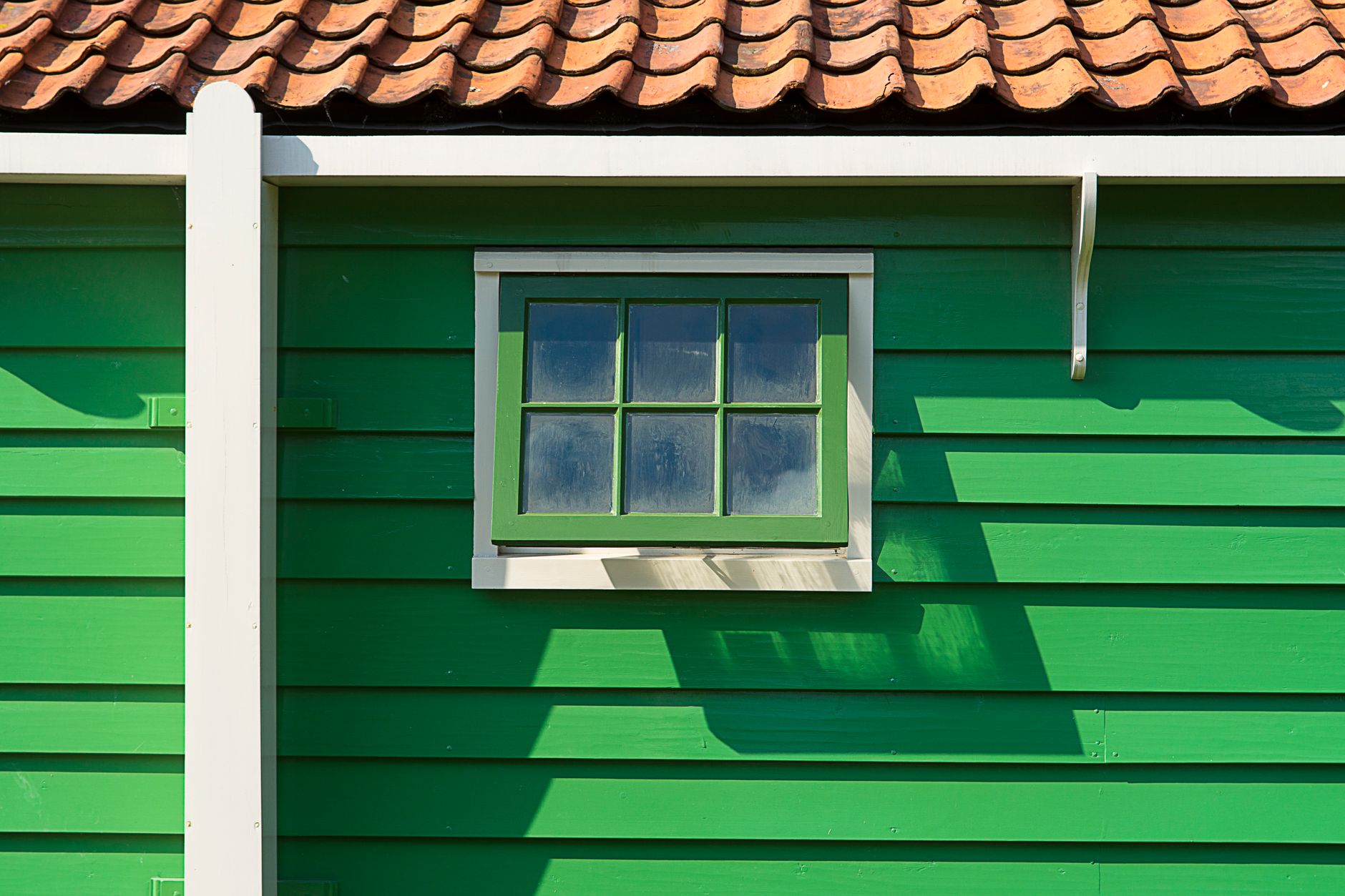
Deep, moody colours are gaining traction in urban and coastal areas. Charcoal greys, navy blues, and even forest greens create dramatic facades that stand out in streetscapes while maintaining sophistication. Dulux Monument and similar deep greys pair beautifully with lighter trim work for a modern two-tone effect.
Coastal regions are seeing a resurgence of classic weatherboard colours—soft sage greens, powder blues, and warm whites—that nod to heritage beach shacks while feeling fresh and contemporary. According to Australian Bureau of Statistics housing data, renovation activity in coastal postcodes has increased substantially, driving demand for these relaxed, lifestyle-oriented palettes.
For those wanting to make a statement, heritage colours are back. Deep Brunswick greens, rich burgundies, and period-appropriate colour schemes honour the architectural integrity of Victorian and Federation homes while meeting modern performance standards.
Climate and environmental considerations
Australia’s varied climate zones demand careful attention when selecting house painting exterior colors. Paint performance, longevity, and even your comfort indoors depend heavily on choosing colours appropriate to your region.
Heat reflection and energy efficiency: In northern tropical regions and across much of Queensland, New South Wales, and Western Australia, light colours reflect heat more effectively than dark shades. Lighter house painting exterior colors can reduce cooling costs by up to 20% in summer months. Crisp whites, soft creams, and pale greys are practical choices that keep homes cooler while looking fresh year-round.
Conversely, darker colours absorb heat, which can be advantageous in cooler climates like Tasmania or alpine regions but problematic in hot zones. If you’re set on a dark facade in a warm climate, consider using it on south-facing walls or combining it with quality insulation and reflective roof coatings.
UV resistance and fading: Australian sun is notoriously harsh on exterior paint. Organic pigments fade faster than inorganic ones, meaning reds, yellows, and blues may lose vibrancy within a few years without premium UV-resistant formulations. When selecting bold house painting exterior colors, always opt for high-quality exterior paints with advanced UV inhibitors.
Bushfire Attack Level (BAL) ratings: In bushfire-prone areas, your paint choice must comply with Australian Standard AS 3959. Many modern low-sheen and matt exterior paints now meet BAL requirements, but always verify compliance with your local building surveyor. The Australian Building Codes Board provides detailed guidance on bushfire construction requirements.
Coastal salt exposure also influences colour durability. Acrylic and premium water-based paints generally outperform traditional oil-based options in salty environments, resisting chalking and corrosion for longer periods.
Matching colours to architectural styles
Your home’s architectural style should guide your house painting exterior colors choices to ensure authenticity and visual harmony. Mismatched colour schemes can undermine even the most beautiful architecture.
Queenslander and Federation homes: These heritage styles suit traditional palettes. Classic combinations include cream or butter yellow bodies with white or deep green trim, or soft grey-greens with burgundy or deep red highlights. Verandah posts, fretwork, and decorative elements deserve contrasting colours to highlight their craftsmanship.
Mid-century modern: Clean lines and minimalist aesthetics call for simple, bold choices. Monochromatic schemes work beautifully—think charcoal with lighter grey accents, or all-white with natural timber features. Alternatively, a single feature wall in burnt orange or mustard can reference the era’s adventurous spirit.
Contemporary and architectural homes: Modern builds offer the most flexibility. Monolithic colour schemes (single colour across all surfaces) create sculptural impact, while strategic two-tone applications can define different volumes and add visual interest. Dark cladding paired with light render is particularly popular in 2026.
Coastal and Hampton styles: These call for light, breezy palettes. Whites, soft greys, and gentle blues dominate, often with natural timber accents left unstained or lightly whitewashed. Avoid stark white in favour of warmer off-whites to prevent a sterile appearance.
Brick homes: Rather than painting over brickwork (which requires ongoing maintenance), consider painting only trim, gutters, and fascias. Choose colours that complement the brick tone—warm whites and creams suit red brick, while cooler greys work with grey or painted brick. If you’re looking at broader exterior work, our guide on exterior house painting rates covers cost considerations.
Popular colour combinations and palettes
Successful house painting exterior colors rarely exist in isolation. Strategic colour combinations create depth, highlight architectural features, and elevate overall kerb appeal.
The classic three-colour rule remains a reliable approach: one dominant body colour (60-70% of the facade), a secondary colour for larger trim elements like window frames and fascias (20-30%), and an accent colour for doors, shutters, or decorative details (10%). This balanced distribution prevents visual chaos while adding interest.
Monochromatic sophistication: Using varying tones of a single colour creates elegant, cohesive facades. Try charcoal weatherboards with mid-grey trim and light grey garage doors, or warm taupe render with cream accents and mushroom-toned windows.
Complementary contrast: Pairing warm and cool tones adds dimension. A warm cream body with cool grey-blue trim provides gentle contrast, while deeper combinations like sage green with warm terracotta create more drama. The key is ensuring undertones harmonise—warm with warm, cool with cool—even when hues differ.
Natural material integration: When your home features exposed brick, stone, or timber, let these materials anchor your palette. Pull accent colours from the natural variation within the materials themselves. A sandstone facade might inspire cream, taupe, and soft charcoal for painted elements.
Tested combinations for 2026:
- Dulux Whisper White (body) + Dulux Domino (trim) + Dulux Vivid White (accents)
- Taubmans Endure (body) + Dulux Natural White (trim) + Dulux Klavier (door)
- Dulux Lexicon Half (body) + Dulux Monument (trim) + natural timber garage door
- Haymes Greengage (body) + Haymes White On White (trim) + Haymes Ayers Rock (door)
Testing is crucial. Purchase sample pots and paint large boards (at least 1m²) that you can move around your home’s exterior throughout the day. Colours shift dramatically with changing light, and what looks perfect at midday might disappoint at dawn or dusk. If you’ve tackled painting house interior colors recently, you’ll know how different light affects colour perception—exterior light variations are even more pronounced.
Common mistakes to avoid
Even experienced renovators stumble when selecting house painting exterior colors. Awareness of these pitfalls can save considerable time, money, and regret.
Ignoring the neighbourhood context: While you want your home to reflect your personality, dramatically diverging from surrounding homes can harm resale value and create visual discord. Survey your street before committing to hot pink or electric blue. Aim for distinction within reason.
Choosing colours in isolation: Never select house painting exterior colors based solely on a paint chip under artificial light. Colours must be evaluated on-site, in natural light, alongside existing fixed elements like your roof, driveway, and landscaping. A colour that looked perfect in the store can clash horribly with a terracotta roof.
Underestimating the power of sheen: Gloss levels dramatically affect colour appearance. High-gloss whites look stark and can highlight surface imperfections, while low-sheen or matt finishes create softer, more forgiving facades. For most Australian homes, low-sheen offers the best balance of durability and aesthetics.
Neglecting heritage overlays and council requirements: Many local councils impose colour restrictions in heritage conservation areas. Always check planning requirements before purchasing paint. Unapproved colours may require expensive rectification and can delay other renovation work.
Forgetting about longevity: Trendy colours date quickly. That on-trend millennial pink might feel tired in three years. If you’re not prepared to repaint regularly, choose a timeless base palette and introduce trend colours through easily changeable elements like front doors and planters.
Poor colour flow: Exterior and interior colours should relate harmoniously. If visible through windows or open doors, jarring contrasts create visual confusion. Consider how your house painting exterior colors will appear from inside looking out, and ensure they complement your interior scheme.
Skimping on quality: Premium exterior paints cost 30-50% more than budget options but last twice as long and maintain appearance far better. Given the labour cost of exterior painting often exceeds material cost, using cheap paint is false economy. Our exterior house painting rates guide breaks down typical project costs to help with budgeting.
FAQ
What are the most popular house painting exterior colors in Australia for 2026?
Warm neutrals like greiges and off-whites dominate, followed by earthy terracottas and clays. Deep charcoals and navy blues are increasingly popular for contemporary homes, while coastal areas favour soft sage greens and powder blues. Regional preferences vary, with tropical areas leaning toward lighter shades and urban centres embracing darker, dramatic tones.
How do I choose exterior paint colours that won’t fade quickly?
Select premium exterior paints with advanced UV inhibitors and inorganic pigments, which resist fading better than organic alternatives. Earth tones, greys, and whites typically maintain colour longer than bright reds, yellows, and blues. Always choose paints specifically formulated for Australian conditions—look for products tested to AS/NZS standards with fade-resistance claims backed by manufacturer warranties of 10+ years.
Should I match my exterior paint to my roof colour?
Your roof colour should influence but not dictate your house painting exterior colors. Aim for harmonious coordination rather than exact matching. For example, a terracotta roof pairs beautifully with cream, warm white, or soft grey bodies, while a Colorbond Monument roof works with lighter greys, whites, or even contrasting warm tones. The goal is balance—ensure undertones (warm or cool) align across all elements.
How much does it cost to paint a house exterior in Australia?
Exterior painting costs typically range from $10,000 to $35,000 for an average three-bedroom home, depending on size, condition, access, and location. Single-storey weatherboard homes generally cost $15,000-$22,000, while two-storey rendered homes may reach $30,000-$40,000. Preparation work (filling, sanding, repairs) often comprises 40-50% of total labour. Premium paints add $2,000-$4,000 to material costs but extend repainting intervals, improving long-term value.
Do I need council approval to change my exterior house colours?
In most Australian suburbs, repainting your home in similar colours requires no approval. However, heritage overlays, conservation zones, and strata properties often impose restrictions. Dramatically changing colours (e.g., from cream to black) may trigger development application requirements in heritage areas. Always check with your local council planning department before proceeding. Unapproved colour changes can result in enforcement orders requiring costly rectification.
What’s the best time of year to paint a house exterior in Australia?
Autumn (March-May) and spring (September-November) offer ideal conditions across most of Australia—mild temperatures, lower humidity, and less rain. Avoid painting in summer heat above 35°C, which causes paint to dry too quickly and affects adhesion. Winter painting is possible in temperate zones but avoid periods with morning dew or temperatures below 10°C. In tropical regions, paint during the dry season (May-October) to ensure proper curing.
Getting started with your exterior colour transformation
Selecting house painting exterior colors is one of the most impactful decisions in home renovation. Take time to research, test thoroughly, and consider both your home’s architectural character and your local environment. Start by identifying your architectural style, assessing your climate zone, and surveying successful colour schemes in your area. Collect physical samples rather than relying on digital representations, and view them on your home’s exterior at different times of day. Consult with colour consultants if you’re uncertain—their fee (typically $500-$1,500) can prevent expensive mistakes and deliver results that enhance both enjoyment and resale value. With thoughtful planning and quality execution, your refreshed exterior will provide satisfaction for decades.
Comparing quotes? Once you have 2-3 in hand, drop them into our free Renovation Quote Comparator to see totals side-by-side and catch the common red flags automatically.
Related guides
For more on Australian renovation costs, see:
- Best Cost House Painting Exterior Guide Australia 2026
- Best Exterior House Painting Rates Australia 2026
- Best Painting House Interior Colors Guide Australia 2026
- House Painting Cost Calculator Australia: Ultimate Guide
- Best House Painting Exterior Colours Guide Australia 2026
- Best Exterior Painting Brisbane Guide 2026